




Understanding the 7kg Challenge
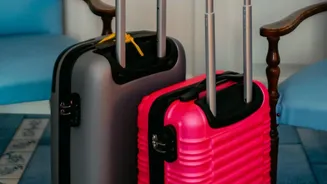
Most budget airlines across India and Southeast Asia enforce a strict 7kg limit for cabin baggage. This isn't just about the bag's size; it's about the total weight. For a week-long trip, this poses a serious puzzle. A standard empty carry-on bag can
weigh between 1.5kg to 2kg, leaving you with just 5kg for clothes, shoes, toiletries, and electronics. This is where strategic packing becomes less of a skill and more of a necessity. The goal is to maximize what you can bring without incurring costly excess baggage fees at the boarding gate.
Meet Your New Best Friend: The Hand-Rolled Bag
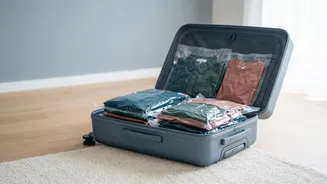
Unlike traditional vacuum bags that require a pump or a vacuum cleaner, hand-rolled compression bags are designed for travel. These are reusable plastic bags with a one-way valve system at the bottom. You place your clothes inside, seal the zip-top closure, and then tightly roll the bag from the top. This action forces the air trapped between your clothes out through the one-way vents, dramatically reducing the volume of soft, bulky items. The result is a dense, compact slab of clothing that takes up significantly less space in your suitcase.
Step 1: Curate a Lightweight Wardrobe
A vacuum bag can't solve the problem of poor clothing choices. Before you even think about packing, lay out your options. For a seven-day trip, focus on a mix-and-match capsule wardrobe. Aim for four versatile tops, two bottoms (like lightweight trousers or shorts), and one outer layer. Choose fabrics wisely; quick-drying and lightweight materials like linen, cotton blends, and merino wool are excellent choices. Heavy denim, on the other hand, is a weight-killer. The golden rule is to wear your heaviest items—like a jacket, jeans, and sneakers—on the flight to keep them out of your bag entirely.
Step 2: The Art of the Roll and Compress
Now for the main event. Lay the vacuum bag flat. Fold your clothes neatly and place them inside, stacking them evenly. Do not overfill the bag; leaving a small gap before the zipper ensures a proper seal. Press down on the zip-lock closure and run your fingers or the provided clip along it two or three times to make sure it's completely airtight. Starting from the sealed zipper end, begin rolling the bag tightly towards the bottom where the air vents are. As you roll, you'll hear and feel the air being pushed out. Use your body weight to press down firmly, squeezing out every last bit of air until the bag is a flat, solid packet.
Step 3: A Critical Reminder on Weight
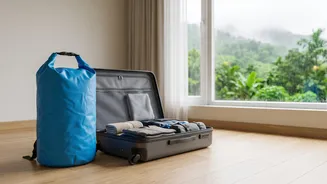
This is the most important part: vacuum bags reduce volume, not weight. Your clothes will weigh exactly the same after compression. The primary benefit is creating more physical space, which allows you to potentially use a smaller, lighter bag or simply have a more organized suitcase. The danger is that it becomes easy to pack more items, pushing your bag over the 7kg limit. Always weigh your packed bag on a luggage scale before leaving for the airport. If you're over the limit, you'll have to remove items. The goal is to fit your curated 5-6kg of essentials into your bag comfortably, not to add more weight.
What You Should Never Compress
Compression bags are not suitable for everything. Avoid packing delicate fabrics with beading or embroidery, as they can snag or break. Leather and suede items can be permanently creased or damaged. While you can compress down or puffer jackets for short-term travel, storing them this way for long periods can damage the filling and reduce their insulating properties. Structured garments like blazers or formal coats will lose their shape. It’s also wise to be mindful of wrinkles; while rolling clothes helps, intense compression will inevitably lead to some creasing. Pack wrinkle-prone items separately or place them on top.