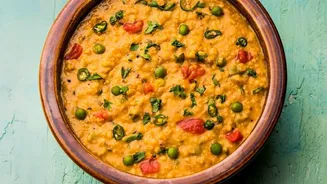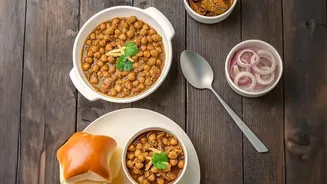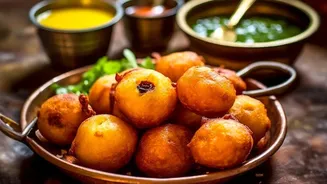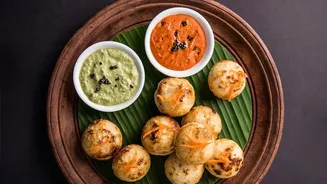



The Digital Downpour of Delicacies
Scroll through any short video platform as the skies turn grey, and you'll see it: a digital downpour of monsoon recipes. Quick cuts show onions being sliced, batter being whisked, and pakoras sizzling in hot oil, all set to a trending soundtrack. What
was once a simple, domestic ritual has become a full-blown content category. Traditional recipes for bhajiyas, samosas, and masala chai, long associated with rainy afternoons at home, are finding a vibrant new life online. Platforms like Instagram Reels and YouTube Shorts are buzzing with bite-sized culinary tutorials that are turning these age-old comforts into viral sensations among a younger, tech-savvy audience. This isn't just about food; it's about an aesthetic, a mood that perfectly encapsulates the cosy, indulgent spirit of the season.
A Menu of Memories
The stars of this trend are the classics. Onion and potato pakoras, dal vadas, and stuffed mirchi bhajis are leading the charge. Creators are not just sharing recipes; they are sharing memories. A video of corn on the cob (bhutta) being roasted over coals is layered with stories of childhood trips and family outings. A simple cup of adrak wali chai is framed as the ultimate comfort drink, a warm hug in a mug. These videos tap into a powerful sense of nostalgia, even for viewers who may be making these dishes for the first time. The appeal lies in their authenticity and the emotion they evoke—a connection to family, tradition, and the simple joy of a home-cooked snack on a rainy day. It’s a phenomenon that chefs and food brands have also noted, recognizing that nostalgia is a powerful ingredient.
Why The Craving Is Contagious
There's a psychological and physiological reason we find these videos so appealing. When the temperature drops and sunlight is scarce, our bodies naturally crave warm, energy-dense foods. Fried snacks provide an instant feeling of comfort and satisfaction. The sounds of sizzling and the visual appeal of a crispy, golden-brown snack trigger our brain's reward system. Social media amplifies this through a phenomenon called associative learning. By repeatedly pairing the sights and sounds of rain with these comforting foods, the videos strengthen a cultural connection that already exists. Watching someone else enjoy a hot samosa as rain streams down their window makes the craving feel immediate and universal. The short, dynamic format makes these recipes seem accessible and easy to replicate, encouraging viewers to head to their own kitchens.
New Storytellers, Old Traditions
The creators driving this trend are a mix of professional chefs, passionate home cooks, and food bloggers who have mastered the art of visual storytelling. They are effectively becoming the new guardians of culinary tradition, translating their grandmothers' recipes for a digital-native generation. Their content does more than just provide instructions; it preserves and popularises regional variations and family secrets. From Mumbai's vada pav to Delhi's ram ladoos and Bangalore's Mysore bonda, regional specialties are getting a national spotlight. These creators are showing that traditional Indian food is not static but a living, evolving part of modern life. They are proving that a recipe passed down through generations can feel just as fresh and exciting as the latest global food trend.