





The Desi Superfood: What Exactly Is Sattu?
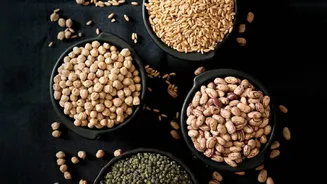
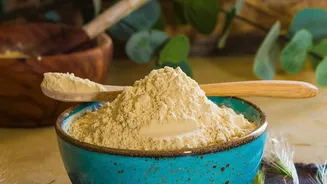
For generations, sattu has been a cornerstone of diets in regions like Bihar, Jharkhand, and Uttar Pradesh. At its core, sattu is a flour made from roasted Bengal gram (chana), and sometimes other grains or pulses. Traditionally known as a 'peasant's
food' for its affordability and energy-giving properties, it has long been consumed as a cooling sharbat in the summer or as a filling ingredient in litti and parathas. Its preparation through dry-roasting makes the nutrients more bioavailable, meaning your body can absorb them more easily. This simple, minimally processed food is now stepping out of the traditional kitchen and into the modern gym bag.
A Nutritional Powerhouse
The reason for sattu's newfound fame lies in its impressive nutritional profile. A 100-gram serving packs roughly 20-25 grams of plant-based protein, making it a formidable contender against many commercial protein supplements. But it’s not just about protein. Sattu is also rich in complex carbohydrates, which provide a steady release of energy without the sugar crash associated with processed foods. It’s loaded with dietary fibre (around 15-18 grams per 100g), which aids digestion and promotes a feeling of fullness, helping to curb post-workout hunger pangs. Furthermore, it’s a treasure trove of essential minerals like iron, magnesium, calcium, and potassium, which are crucial for muscle function, bone health, and replenishing electrolytes lost through sweat.
The Perfect Post-Workout Partner
After a strenuous workout, your body has two main priorities: repairing muscle tissue and replenishing energy stores. Sattu is perfectly equipped for both tasks. The high protein content, which includes essential amino acids, aids in muscle protein synthesis, helping to repair the micro-tears in muscles and reduce soreness. Simultaneously, the complex carbohydrates work to restore the glycogen levels that were depleted during exercise. Unlike fast-absorbing whey protein, sattu’s combination of protein, fibre, and complex carbs provides a more sustained release of nutrients, making it an excellent option for holistic recovery. Its natural cooling properties also make it a refreshing way to rehydrate and cool down the body after an intense session.
From Sharbat to Smoothies: Modern Ways to Enjoy Sattu
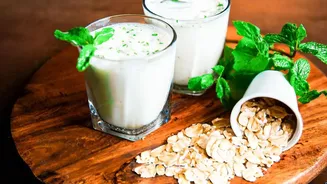
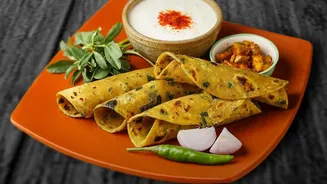
While the classic salty sattu sharbat—made with water, lemon juice, and black salt—is a fantastic rehydration drink, the versatility of sattu allows for much more creativity. For a more robust post-workout shake, blend sattu with milk or yoghurt, a banana, and a touch of honey or jaggery. This combination delivers a perfect mix of protein, carbs, and potassium. You can also make sattu energy balls by mixing the flour with dates, nuts, and ghee for a quick, on-the-go snack. Some people are even incorporating it into savoury dishes like chillas (pancakes) or adding it to their regular roti dough to boost its protein content. These modern adaptations make it easy to fit this traditional superfood into any lifestyle.
Affordable, Natural, and Expert-Approved
In a market flooded with expensive supplements that often contain artificial flavours and additives, sattu stands out as a natural, whole-food alternative. It is significantly more affordable and widely available across India. Dietitians and nutrition experts are increasingly recommending sattu as a viable option for meeting daily protein needs, especially for vegetarians and those looking for sustainable, clean sources of nutrition. While whey protein might offer faster absorption, sattu provides a more balanced nutritional package that supports overall health, from gut-friendly fibre to essential minerals, making it more than just a protein supplement.