


The Building Blocks of Protein
At its core, every protein is made up of smaller units called amino acids. There are 20 different amino acids our bodies use to build and repair tissues, but nine of them are special. These are called 'essential amino acids' because our bodies cannot
produce them on their own; we must get them from the food we eat. Foods that contain all nine of these essential amino acids in sufficient amounts are considered 'complete proteins'. Animal-based foods like meat, eggs, and dairy are classic examples of complete proteins.
The Plant Protein Gap
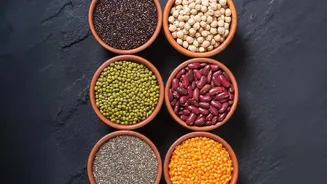
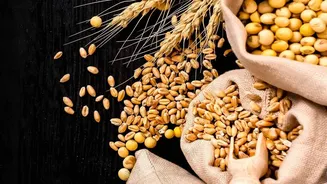
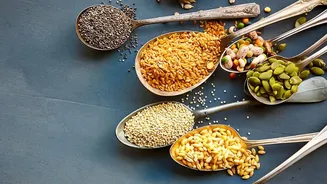
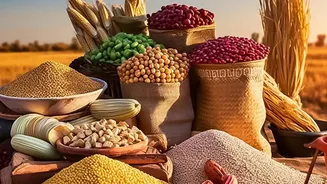
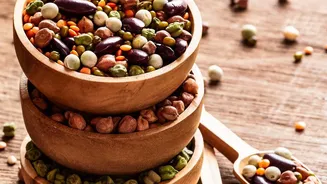
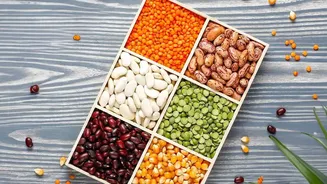
Most plant-based foods, while incredibly nutritious, are considered 'incomplete proteins'. This doesn't mean they are bad; it simply means they are low in one or more of the nine essential amino acids. This is where our two food groups of interest come in. Cereal grains, such as wheat and rice, are typically low in an essential amino acid called lysine. On the other hand, legumes—which include all our dals, chana, and rajma—are rich in lysine but tend to be low in another essential amino acid, methionine. Individually, each has a gap in its amino acid profile.
Better Together: The Power of Pairing
This is where the magic of food combination, a practice deeply embedded in traditional Indian cuisine, comes into play. When you eat a cereal grain and a legume together, they complete each other. The lysine that is lacking in the grain is supplied by the legume, while the methionine that is low in the legume is provided by the grain. This concept is known as protein complementation. By pairing them, you effectively create a meal with a complete amino acid profile, giving your body all the essential building blocks it requires.
Classic Indian Pairings That Work
Chances are, you are already practicing protein complementation without even thinking about it. Our everyday meals are filled with perfect examples of this nutritional wisdom. The classic combination of dal and rice (chawal) is a perfect example. Similarly, eating roti (made from wheat) with a dal or chana masala fills the amino acid gap. South Indian staples like idli or dosa, made from a fermented batter of rice and urad dal, are another instance where a grain and a legume are combined. Even khichdi, our go-to comfort food made from rice and moong dal, is a complete protein powerhouse.
A Quick Look at Protein Scores
To scientifically measure protein quality, experts use scoring systems. The most well-known is the Protein Digestibility Corrected Amino Acid Score (PDCAAS). This score evaluates a protein based on its essential amino acid content and how easily it can be digested by the human body. The score ranges from 0 to 1.0, with 1.0 being the highest quality, equivalent to proteins like milk or eggs. While individual plant proteins might score lower, combining them, as we do with dal and rice, boosts the overall quality of the protein in the meal. A newer, more precise method called DIAAS (Digestible Indispensable Amino Acid Score) is now also used, which can provide an even more detailed quality ranking.