
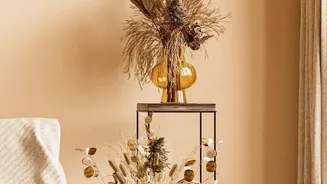
The Gentle Reign of the Curve
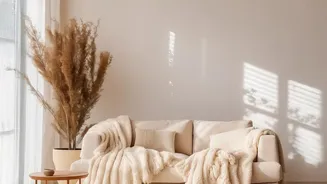
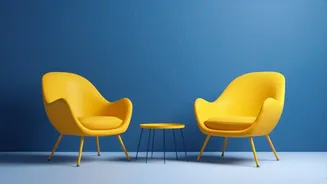
It’s easy to see why curved furniture became so popular. After a period of rigid minimalism, pieces like serpentine sofas, rounded accent chairs, and circular coffee tables offered a welcome sense of softness and comfort. These organic shapes feel naturally
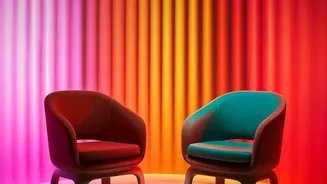
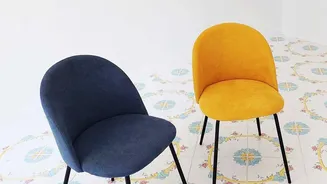
welcoming, improve the flow of traffic in a room, and create a cozy, cocooning effect. This move away from harsh angles reflected a broader desire for our homes to be calmer, more personal sanctuaries. The trend, often featuring soft bouclé or velvet fabrics, quickly moved from high-end design magazines to mainstream stores, proving its widespread appeal.
Why Contrast is Key
While a room full of curves can feel wonderfully soft, it can also risk becoming shapeless or visually monotonous. This is where the rebalance comes in. In design, contrast is what creates visual interest and pulls a space together, making it feel intentional. By pairing a curved element with a straight-lined one, you create a dynamic interplay between softness and structure. A straight line provides a sense of order and stability that grounds the free-flowing nature of a curve. The result is a room that feels both comfortable and composed, sophisticated and inviting. It’s this deliberate balance that elevates a space from simply trendy to timelessly chic.
How to Strike the Perfect Balance
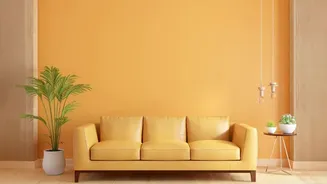
Integrating this look doesn’t require a complete overhaul. The key is to start with one hero piece and build around it. If you have a beloved curved sofa, anchor it with a rectangular rug. Place a sharp, linear console table behind it or pair it with an angular armchair to create a pleasing contrast. A round coffee table can soften a living room dominated by a straight-lined sectional. The goal is to achieve a dialogue between the shapes, not a competition. Some designers even suggest a rough 70/30 split between straight and curved elements to maintain a sense of harmony.
Beyond Shape: Material and Texture
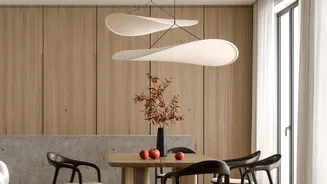
The principle of contrast extends beyond just the silhouette of your furniture. Mixing materials and textures enhances the effect. Imagine a soft, plush curved sofa set against a wall with sharp, linear wood paneling. Or a hard, rectangular marble coffee table nestled into the arc of a soft sectional. The juxtaposition of hard with soft, smooth with textured, and organic with man-made adds layers of depth and interest. A sleek metal floor lamp with a sharp angle can provide the perfect counterpoint to a pillowy, rounded armchair. Thinking about these details prevents the room from feeling one-note.
Start Small for Big Impact
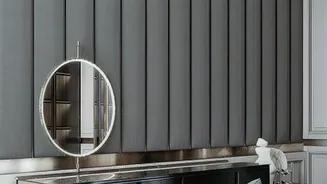
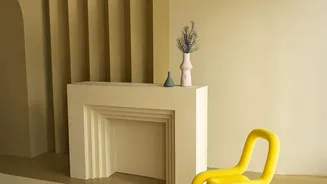
You can embrace this balanced aesthetic without buying any new large furniture. Accessories are a powerful and accessible way to play with shape. Place an arched mirror over a rectangular credenza to instantly create a focal point that marries both forms. Arrange a collection of round decorative objects or a curved vase on a linear bookshelf. Even lighting offers a perfect opportunity: an arched floor lamp introduces a graceful curve into a room full of straight lines. These smaller touches are just as effective at creating the dynamic, balanced look that defines sophisticated, modern interiors.