



Why Cooler Weather is Kinder
Gardening in the peak of Indian summer can feel like a battle against the elements. Intense heat stresses plants, water evaporates in a flash, and a host of pests seem to work overtime. But as temperatures drop post-monsoon and into the winter, the entire
dynamic shifts. The cooler climate acts as a natural ally for the aspiring gardener. Plants experience less heat stress, allowing them to focus their energy on growth rather than mere survival. The soil retains moisture for longer, meaning you might not have to water as obsessively. This reduced demand for water is not only convenient but also helps prevent the cycle of wilting and revival that can weaken plants. Furthermore, many common leafy greens, which tend to 'bolt' (flower prematurely) in the heat, thrive in the gentler climate, giving you a longer and more flavourful harvest.
Your Winter Vegetable Starter Pack
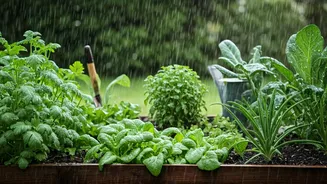
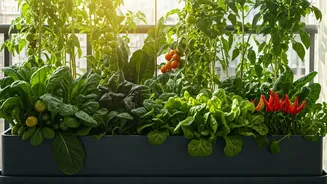
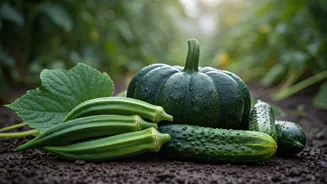
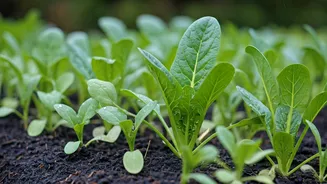
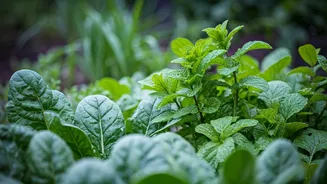
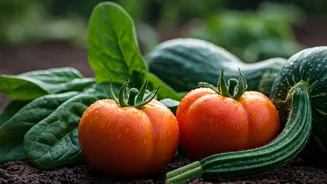
The cooler growing season is perfect for a wide range of delicious and nutritious vegetables that are staples in Indian kitchens. The best part? Many of them are incredibly easy for beginners. Start with leafy greens. Spinach (palak) and fenugreek (methi) grow quickly and can be harvested multiple times. They are perfect for containers on a balcony or a small patch in a yard. Root vegetables are another fantastic option. Carrots (gajar), radishes (mooli), and beetroots (chukandar) love the cooler soil. There’s nothing more satisfying than pulling a fresh, crisp carrot from your own garden. For something a little different, try growing peas (matar). Watching the pods swell is a delight, and fresh peas taste infinitely better than frozen ones. These vegetables are not just tolerant of the cool; they actively prefer it, resulting in sweeter, more tender produce.
The Aromatic Herb Garden Comeback
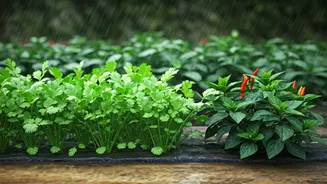
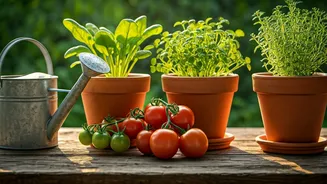
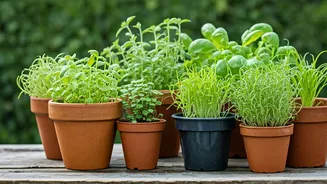
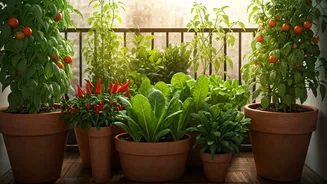
Fresh herbs can transform a meal, and the cooler months are the perfect time to cultivate your own aromatic corner. The undisputed king of winter herbs is coriander (dhania). While it struggles and quickly bolts in the summer, it flourishes in cool weather, producing lush, fragrant leaves for your curries, chutneys, and garnishes. Plant seeds every few weeks for a continuous supply. Mint (pudina) is another reliable choice. While it can survive the summer, it often looks tired and leggy. Cooler days rejuvenate the plant, encouraging it to produce tender, vibrant leaves perfect for tea or raita. Consider growing dill (suva bhaji), whose feathery leaves pair beautifully with fish and salads. Most herbs do exceptionally well in pots, so even the smallest apartment balcony can host a vibrant and useful herb garden.
Essential Tips for Success
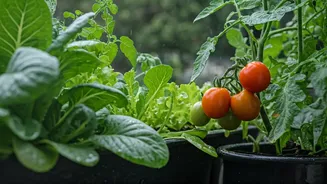
While the weather is more forgiving, a few key principles will ensure your success. First, sunlight is still crucial. The winter sun is less intense and follows a lower arc in the sky, so make sure your plants are in a spot that receives at least 4-6 hours of direct sunlight. Second, adjust your watering habits. The most common mistake in winter gardening is overwatering. The cooler air and soil mean less evaporation. Before watering, stick your finger an inch into the soil. If it feels damp, wait another day. Third, start with good soil. Use a well-draining potting mix, ideally enriched with compost or vermicompost. This provides the nutrients your plants need to thrive. Finally, don't be afraid to start small. Choose just two or three types of plants in a few manageable containers. Success with a small garden will build your confidence for a bigger one next season.