


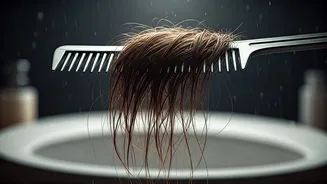



Why Humidity Harms Your Hair
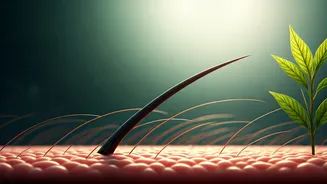
High humidity creates a perfect storm for hair problems. Firstly, the excess moisture in the air is absorbed by your hair strands. This causes the hair shaft to swell, lifting the protective outer layer, or cuticle. A swollen, porous hair shaft is significantly
weaker and more prone to snapping and breaking, which is often mistaken for hair fall from the root. Secondly, your scalp doesn't escape the effects. The warm, damp environment is an ideal breeding ground for fungi and bacteria. This can lead to an overgrowth of Malassezia, the fungus linked to dandruff, causing itchiness, inflammation, and clogged follicles. An unhealthy scalp environment directly impacts hair growth and can exacerbate shedding.
Focus on a Clean Scalp
In humid weather, sweat, oil, and environmental pollutants can quickly build up on your scalp, suffocating hair follicles. The key is to keep your scalp scrupulously clean without stripping it of its natural oils. You may need to increase your washing frequency to every other day. Look for a gentle, sulphate-free shampoo for regular use. Once a week, consider using a clarifying shampoo or one containing ingredients like ketoconazole or zinc pyrithione to control dandruff and fungal growth. When you shampoo, focus on massaging the product into your scalp with your fingertips to dislodge buildup and stimulate circulation.
Don't Skip the Conditioner
Many people avoid conditioner in humid weather, fearing it will weigh their hair down. This is a mistake. A good conditioner is crucial for smoothing the raised cuticles, reducing frizz, and preventing the breakage caused by swelling. The trick is in the application. Apply conditioner only from the mid-lengths to the ends, avoiding the scalp entirely. This will nourish and protect the most vulnerable parts of your hair without contributing to an oily scalp. Look for lightweight, hydrating formulas and rinse thoroughly with cool water to help seal the cuticle.
Master the Art of Drying
Leaving your hair to air-dry in a humid environment can be counterproductive. It prolongs the period your hair shaft remains swollen and your scalp stays damp, inviting fungal issues. Instead of aggressively rubbing your hair with a coarse towel—which causes friction and breakage—gently squeeze out excess water with a soft microfibre towel or an old cotton T-shirt. If you use a hairdryer, apply a heat protectant first and use the lowest heat and speed setting. Focus on drying the roots and scalp first to ensure no moisture is trapped. A final blast of cool air can help seal the cuticles and add shine.
Your Diet Matters More Than Ever
While topical care is essential, the foundation of strong hair is built from within. During a season when hair is under environmental stress, your diet becomes even more critical. Ensure you are getting enough protein (the building block of hair), which is found in eggs, lentils, paneer, and fish. Iron is also vital for hair growth; deficiencies are a common cause of hair loss. Incorporate spinach, beetroot, and legumes into your meals. Finally, don't forget biotin and other B vitamins, found in nuts, seeds, and whole grains, which support overall hair health. Staying well-hydrated by drinking plenty of water also helps maintain scalp health.