






The End of Hidden Fees
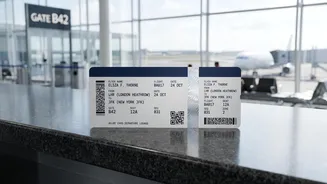
The biggest change for passengers will be enhanced transparency. The new regulations, called the Bharatiya Vayuyan Niyam, 2026, will require airlines and booking platforms to display the total ticket price upfront. This must include a detailed breakdown
of the base fare, taxes, fees, cancellation charges, and refund conditions. The goal is to eliminate the surprise of extra charges being added at the final payment stage, allowing you to see the full cost from the start and compare prices between airlines more effectively.
Government Power to Intervene
While India's airlines will continue to set their own fares based on market demand and operating costs, the new rules give the central government a new power. In 'extraordinary situations' that affect the public interest, the government can issue temporary directions to regulate fares. The rules don't specifically define what an 'extraordinary situation' is, leaving it open to government assessment. This doesn't mean a permanent cap on ticket prices, but it creates a mechanism to prevent extreme price hikes during crises or major disruptions.
Enhanced Monitoring by DGCA
Under the new framework, the Directorate General of Civil Aviation (DGCA) will take a more active role in monitoring airfares. Airlines will be required to submit their tariff structures to the DGCA, showing how prices are determined based on factors like operational costs. The DGCA will then monitor these tariffs to ensure they are being applied as stated. While this preserves the market-based pricing system that has been in place since 1994, it adds a layer of regulatory oversight aimed at ensuring fairness and accountability from airlines.
What It Means for Your Wallet
The immediate question for most flyers is whether tickets will become cheaper. The new rules do not guarantee lower airfares. The primary goal is transparency, not price control under normal circumstances. By requiring a clear breakdown of costs, you'll have a better understanding of what you are paying for. You might see a lower base fare, but the total cost after adding necessary services could be similar to today's prices. The key difference is that you will have more clarity and choice, empowering you to avoid paying for services you don't need.
A Broader Overhaul of Aviation
These changes to ticket reservations are part of a much larger update to India's aviation laws, replacing the nearly 90nday old Aircraft Rules, 1937. The Bharatiya Vayuyan Niyam, 2026, also introduces updated standards for everything from aircraft manufacturing and maintenance to licensing requirements for pilots and crew. For passengers, this means a comprehensive effort to modernize the entire aviation ecosystem, with a strong focus on safety, operational efficiency, and passenger rights.