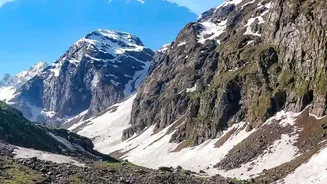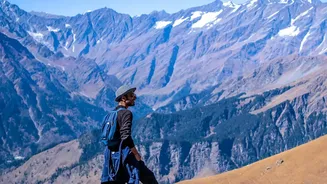


The Post-Monsoon Reality
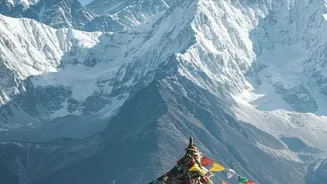
The period from late September to November is widely considered the best time for trekking in the Himalayas. The monsoon washes the dust from the atmosphere, creating exceptional visibility and stable, pleasant weather. However, the same rains that clear
the air can also cause significant damage to trekking routes. Landslides, washed-out bridges, and slick, eroded paths are common challenges. As a result, the start of the autumn season is a busy time for repair crews. Local authorities and trekking operators work to restore access, but the status of many trails can remain uncertain well into October, making flexibility and up-to-date information crucial for trekkers.
Uttarakhand: A Mixed Bag of Openings and Closures
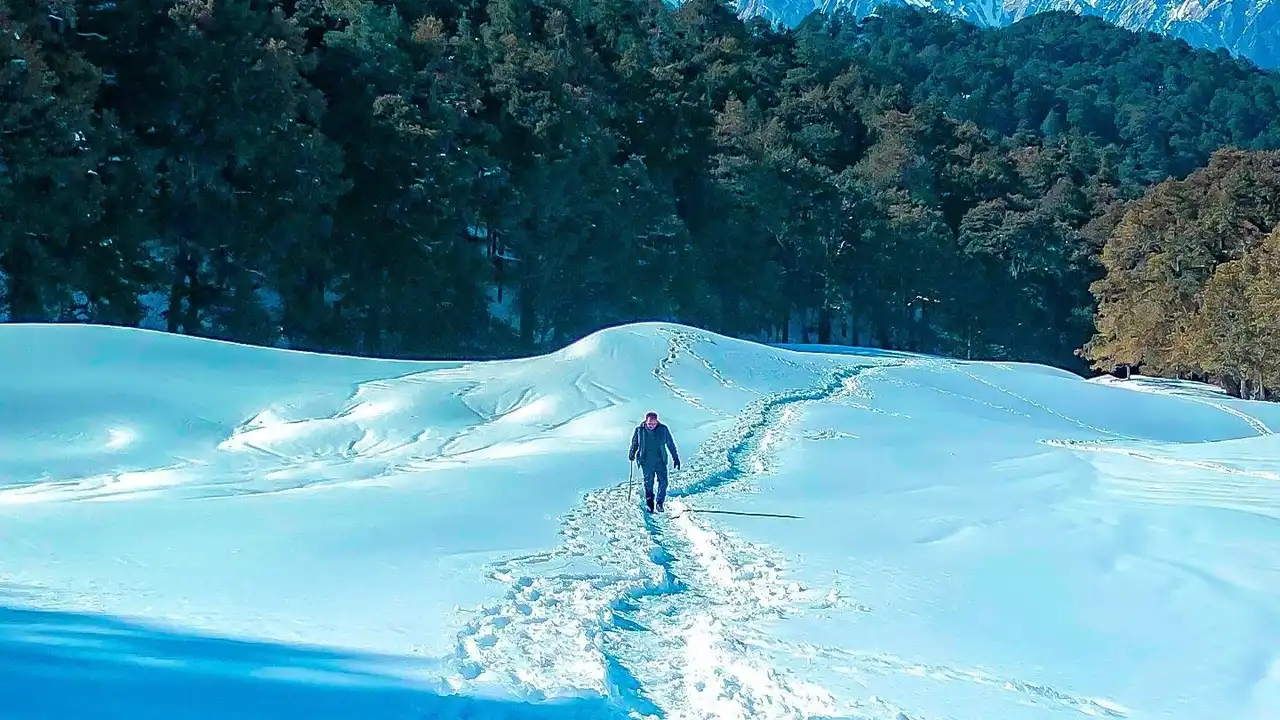
Uttarakhand, a major hub for trekkers, has seen a mixed start to the season. After a week of heavy rain and late-season snowfall, authorities in early October suspended all trekking in Gangotri National Park, affecting popular and sacred routes like Gaumukh-Tapovan and Kedartal. Officials stated that trails were damaged and that reopening would depend on weather conditions and the completion of repair work. Trekkers planning to visit this region should anticipate delays and check for the latest official announcements. In contrast, many other popular treks in the state, such as Dayara Bugyal, Kuari Pass, and Brahmatal, are reported to be open and experiencing excellent, sunny conditions. These treks generally lie at slightly lower altitudes and are often quicker to be assessed and cleared. The Uttarakhand government has also affirmed its commitment to repairing roads across the state on a priority basis now that the monsoon has ended.
Himachal Pradesh: Mostly Open for Business
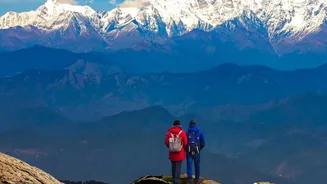
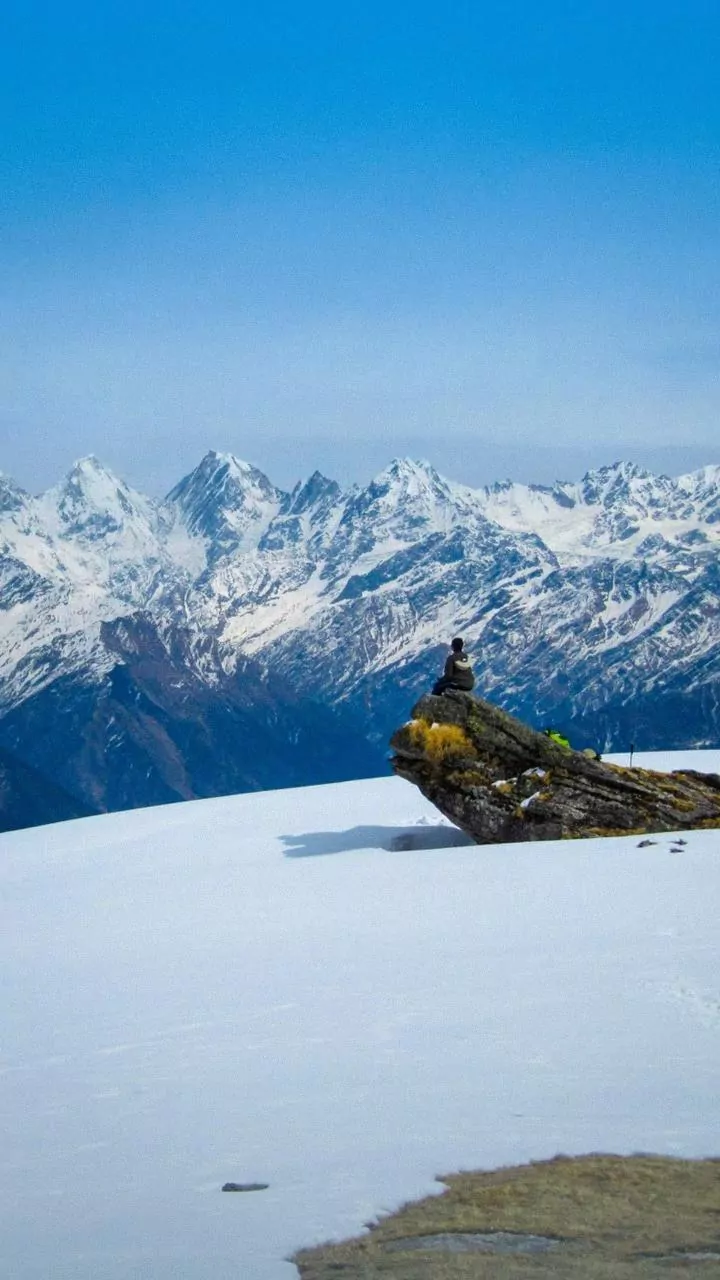
Himachal Pradesh appears to be in a stronger position. Key trekking gateways like Manali and Kasol are fully accessible, with most popular routes open. The post-monsoon window is considered the last chance to complete classic crossover treks like Hampta Pass before high passes close for winter. Other favourites, including Bhrigu Lake, Beas Kund, and the ever-popular Triund trek near McLeod Ganj, are also welcoming trekkers. The weather across the state's trekking regions is reported to be clear and stable, offering the trademark sharp views of the Dhauladhar and Pir Panjal ranges. Treks like Rupin Pass are also accessible during this September-October window, which is considered one of the best times to undertake the journey.
Sikkim and the Eastern Himalayas: Peak Season Views
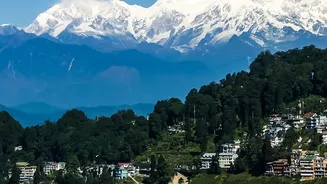
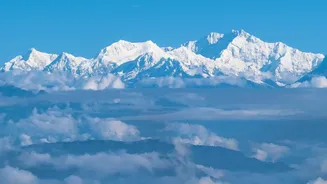
In the Eastern Himalayas, autumn is the undisputed peak season, chosen specifically for its clear views of the Kanchenjunga massif. October and November are prized for their stable weather and low humidity. The heavy monsoon rains often cause landslides and route closures, making autumn the most reliable time to trek. Major routes like the Goecha La trek are operating, and conditions are considered ideal. Road access to trailheads in West and North Sikkim, which can be unpredictable during the monsoon, generally stabilises during this period, making travel safer. For anyone prioritising mountain photography and panoramic vistas, this is the prime window to visit Sikkim.
Essential Tips for the Post-Monsoon Trekker
Given the dynamic situation, planning a post-monsoon trek requires a few extra steps. First, always confirm the current status of your chosen trail with multiple sources, including your trekking operator and local authorities, just before you travel. Conditions can change rapidly. Second, build buffer days into your itinerary. This provides a cushion in case of road closures or trail detours. Third, consider treks at lower elevations if high-altitude passes seem uncertain. Routes like Dayara Bugyal or Deoriatal-Chandrashila offer stunning views with generally lower risks of closure. Finally, hire a licensed, reputable guide or operator. They possess invaluable, up-to-the-minute local knowledge and can navigate any unforeseen challenges safely.