



Why Monsoon is Prime Time for Gardening
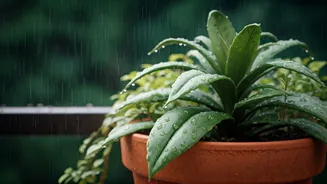
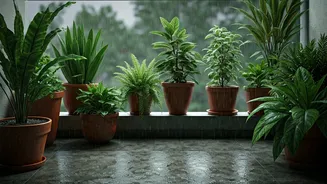
While you might think the constant rain is a deterrent, the monsoon is actually a fantastic season for gardening, especially for beginners. The high humidity creates a natural greenhouse effect, encouraging lush foliage and rapid growth. The clouds provide
diffused sunlight, which is gentler on many plants than the harsh summer sun. Best of all, Mother Nature takes care of most of the watering for you. For city dwellers with limited space, a balcony provides the perfect, manageable plot to cultivate a personal green sanctuary during India’s most atmospheric season.
Prepare Your Balcony Stage
Before you bring in the plants, a little prep work goes a long way. First, check your balcony’s drainage. Ensure the outflow pipe is clear of debris to prevent waterlogging, which can damage your floor and create a mess. Next, assess the sunlight. Observe which parts of your balcony get direct sun and which remain shaded. Most monsoon-friendly plants prefer a spot with a few hours of gentle morning sun and protection from heavy afternoon downpours. If your balcony is exposed to strong winds and rain, consider setting up a temporary shield using a simple plastic sheet or a more permanent trellis with creepers to act as a natural windbreak.
Choose Your Pots and Soil Wisely
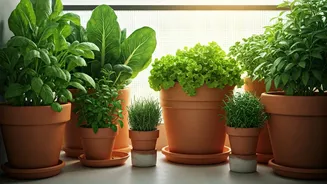
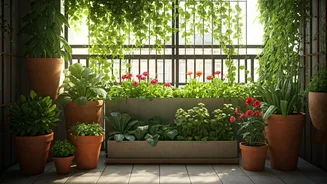
The right container is crucial during the rainy season. Terracotta pots are an excellent choice as their porous nature allows excess moisture to evaporate, preventing root rot. However, any pot will do as long as it has adequate drainage holes at the bottom. If it doesn't, drill some! Elevate your pots on stands or bricks to ensure water can escape freely and doesn't stagnate underneath. For the soil, you need a light, well-draining mix. A heavy, clay-based soil will retain too much water and suffocate your plants. Create a simple, effective potting mix by combining one part garden soil, one part cocopeat (to retain just enough moisture), and one part compost or vermicompost (for nutrients).
Monsoon-Ready Plant Stars
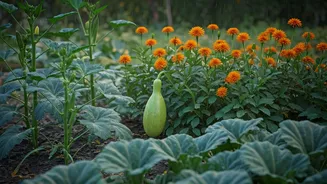
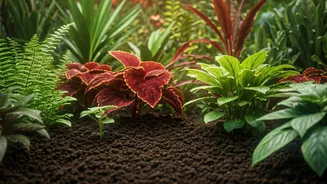
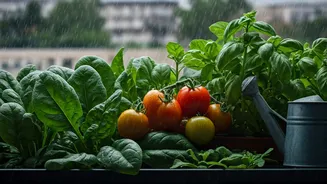
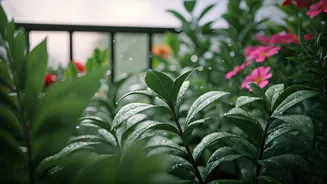
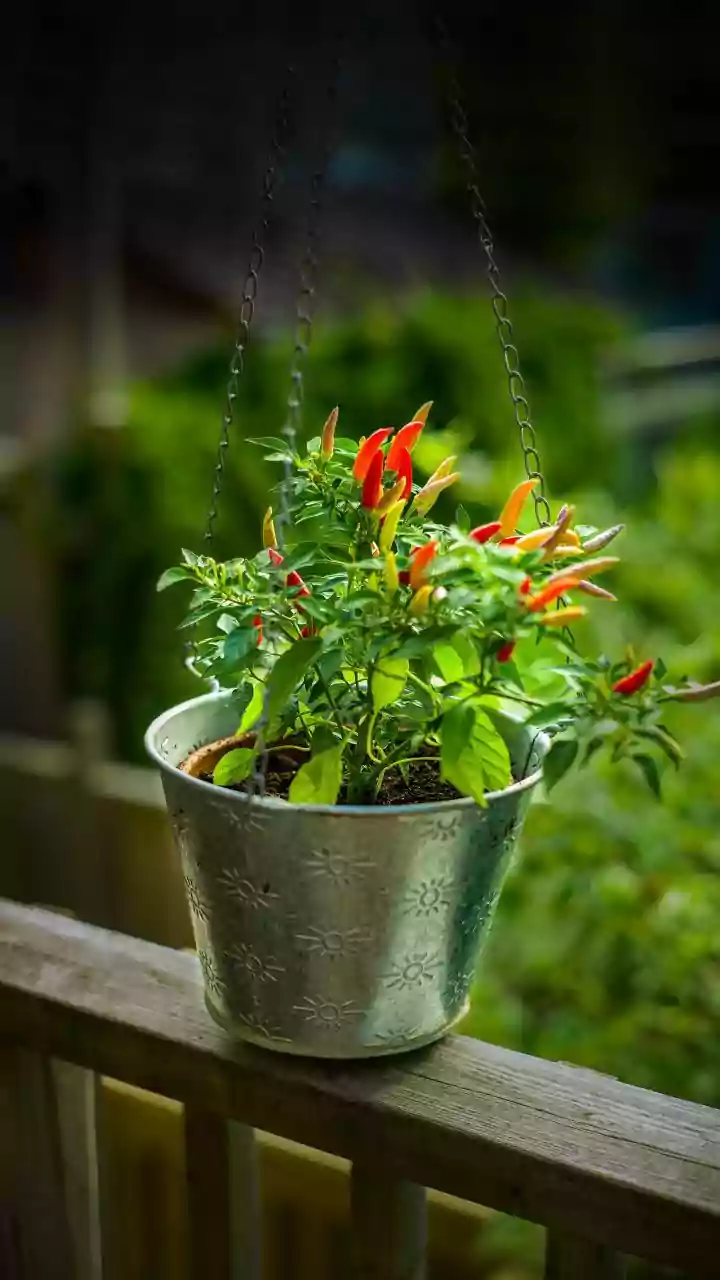
Not all plants enjoy a daily drenching. The key is to choose species that thrive in the Indian monsoon’s humid and wet conditions. Here are a few reliable options for your balcony: * Flowering Plants: Balsam (Gulmehendi), Zinnia, and Cosmos are classic monsoon bloomers that add a splash of colour. Hibiscus and Ixora are hardy shrubs that also love the rainy season and produce beautiful, continuous flowers. * Vegetables: This is the perfect time to grow leafy greens like spinach (palak) and amaranth (chaulai). You can also easily grow vegetables like chillies, brinjal, and okra in medium-to-large pots. * Herbs: Kitchen herbs like mint (pudina), holy basil (tulsi), and lemongrass grow vigorously during the monsoon. Having them on your balcony means fresh flavours are just a snip away for your chai and cooking. * Creepers: Monsoon is ideal for creepers like the Butterfly Pea (Aparajita) and Passion Flower, which will quickly cover a trellis and produce stunning flowers.
The Art of Monsoon Plant Care
The biggest mistake in monsoon gardening is overwatering. Just because it’s raining doesn’t mean your plants need more water from you. Always check the soil before watering. Stick your finger about an inch into the soil; if it feels damp, hold off. Only water when the topsoil feels dry to the touch. The constant dampness can also invite pests like slugs, snails, and fungal diseases. Regularly inspect the leaves (especially the undersides) for any signs of trouble. A simple spray of neem oil solution every 10-15 days is an excellent organic preventative measure against most common pests and fungi. Prune any yellowing leaves or overcrowded branches to improve air circulation, which is vital for keeping fungal infections at bay.