







An Annual Agricultural Challenge
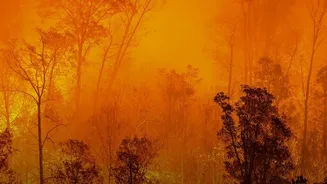
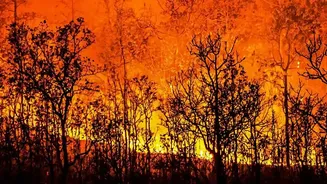
Every year, as October and November approach, vast stretches of farmland in Punjab, Haryana, and Uttar Pradesh are set ablaze. This practice, known as stubble or crop residue burning, is a quick and cheap way for farmers to clear their fields of leftover
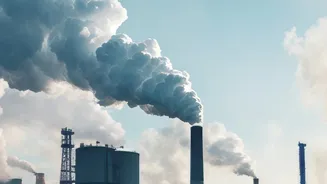
rice paddy stubble before planting the winter wheat crop. This method is deeply entrenched, despite being illegal, because farmers often face a tight turnaround between harvesting rice and sowing wheat. This seasonal burning releases enormous clouds of smoke containing particulate matter, black carbon (soot), and a host of other pollutants into the atmosphere, becoming a primary trigger for the region's severe annual air pollution crisis.
Not Just Smoke, A Chemical Reaction
The key focus of new research is not just quantifying the amount of smoke, but understanding how it chemically evolves. The air after the monsoon is very different from other times of the year; it's cooler, carries more moisture, and is often stagnant due to lower wind speeds. When the smoke from crop fires—rich in compounds like black carbon and other organic aerosols—mixes with this specific environment, it doesn't simply disperse. Instead, it undergoes a series of chemical reactions. Sunlight acts as a catalyst, transforming the primary pollutants from the fires into more complex and often more harmful secondary pollutants, creating the dense, persistent smog that blankets the Indo-Gangetic Plain.
The Post-Monsoon Atmospheric Trap
Meteorology plays a crucial role in making the post-monsoon season particularly hazardous. Cooler air near the ground gets trapped below a layer of warmer air, a phenomenon known as a temperature inversion. This acts like a lid on the atmosphere, preventing pollutants from rising and dispersing. The smoke from Punjab travels hundreds of kilometres on the prevailing northwesterly winds, gathering more pollutants along the way and arriving in cities like Delhi, where it mixes with existing urban pollution from traffic and industry. This transported smoke can age chemically during its journey, making it even more toxic by the time it reaches densely populated areas. Studies have shown this aged agricultural smoke can account for nearly half of the most dangerous particulate matter during severe haze episodes.
What Are Scientists Looking For?
Researchers are using a combination of tools to unravel this complex process. Satellite data helps identify the location and intensity of fires, while ground-based mobile monitoring labs measure the specific chemical composition of the air in real-time. Recent studies, including those by IIT Delhi and the Paul Scherrer Institute, have focused on identifying the unique chemical fingerprints of different pollution sources. They are quantifying how much of the pollution cocktail comes from biomass burning versus other sources like power plants or vehicles. Some studies have found that during peak burning periods, agricultural fires can be responsible for over 30% of PM2.5-related premature deaths in Delhi and can contribute, on average, nearly 50% of the black carbon measured at the source.
From Understanding to Action
By building a detailed picture of these chemical transformations, scientists hope to provide policymakers with more effective tools to fight air pollution. Simply banning fires has proven difficult to enforce. However, if the exact chemical pathways are understood, it could lead to better pollution forecasting models. This would allow authorities to issue more precise health warnings and implement targeted, temporary restrictions when the most dangerous atmospheric conditions are predicted. This research also reinforces the need for viable alternatives for farmers, such as machines that can manage the crop residue without burning. The ultimate goal is to move from a reactive crisis response to a proactive strategy based on a deep scientific understanding of the air we breathe.