




Why This One Movement Is a Perfect Start
Known in Sanskrit as Marjaryasana-Bitilasana, Cat-Cow is a dynamic sequence that links two poses together with breath. It's celebrated by yoga teachers and physical therapists for its simplicity and effectiveness. The movement gently wakens the spine,
improves flexibility, and relieves tension in the back and neck, making it ideal for those who sit at a desk all day or wake up feeling stiff. Unlike static stretches, Cat-Cow is a flowing motion that increases blood flow and helps lubricate the joints in the spine. By focusing on just this one sequence, you can connect with the core principles of yoga — synchronizing breath with movement — without needing to learn a dozen complex poses. It’s a low-pressure way to build body awareness and start a routine you can actually stick with.
How to Do Cat-Cow Pose Correctly
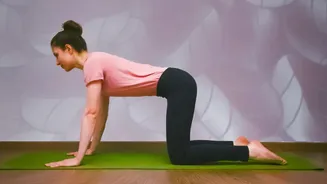
Finding the right form is key to getting the most out of the pose. Follow these steps to set yourself up for success: 1. Start in a Tabletop Position: Come onto your hands and knees. Your hands should be directly under your shoulders and your knees directly under your hips. Spread your fingers wide to create a stable base. Your back should be flat, like the top of a table. Keep your gaze soft and directed toward the floor between your hands. 2. Inhale into Cow Pose (Bitilasana): As you take a slow breath in, let your belly drop toward the floor. Lift your chest and tailbone toward the ceiling, creating a gentle arch in your back. Think of opening your chest forward and avoid crunching your neck by keeping it long. 3. Exhale into Cat Pose (Marjaryasana): As you breathe out, press the floor away with your hands and round your spine toward the ceiling, like an arching cat. Tuck your chin toward your chest and draw your navel in toward your spine. 4. Flow with Your Breath: Continue moving between Cow on your inhales and Cat on your exhales. The goal is not to force the deepest arch or round, but to create a smooth, continuous motion that feels good for your body. Aim for five to ten rounds.
Common Mistakes and How to Fix Them
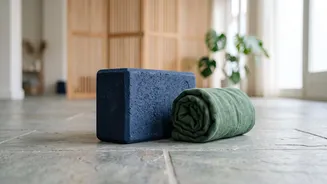
Even in a simple pose, small adjustments can make a big difference. One common mistake is moving too quickly and not coordinating with the breath; the key is to move slowly and deliberately. Another frequent error is leading with the head instead of initiating the movement from the pelvis and tailbone. Try to let the wave of motion travel up your spine. Also, be mindful not to collapse into your shoulders or lock your elbows; keep a micro-bend in your arms and press the floor away to stay active. Finally, if you feel any wrist pain, try making fists with your hands or coming down onto your forearms for support. For sensitive knees, placing a folded blanket underneath them provides welcome cushioning.
Making It a Daily Habit
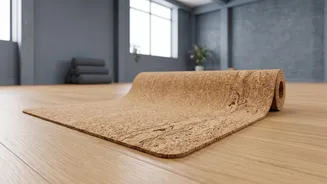
The hardest part of any new routine is consistency. The key is to set the bar incredibly low. Don't commit to a 30-minute practice; commit to just one minute of Cat-Cow each day. The momentum from starting, even in a small way, is a powerful motivator. To make it stick, try 'habit stacking': link your new yoga habit to an existing one. For example, roll out your mat right after you brush your teeth in the morning. Choose a specific time and place. This reduces decision fatigue and makes it more likely you'll show up. After a week, you might find yourself naturally wanting to add another minute or another simple pose, like Child's Pose for relaxation.
Listen to Your Body: Modifications
The best yoga practice is one that fits your body today. If the hands-and-knees position is uncomfortable, there are excellent variations. A seated Cat-Cow can be done in a chair, with your feet flat on the floor and hands on your knees, moving through the same spinal flexion and extension. This is a perfect option for the office or for anyone with knee or wrist issues. You can also practice standing, with your hands on a wall or the back of a sturdy chair. The goal is to get the benefits of spinal movement, and the specific position matters less than the quality of your attention and breath. Remember, there should be no sharp pain. If you feel any, ease up on the range of motion.