






The Backlash to Beige
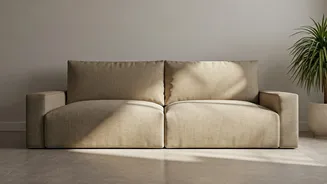
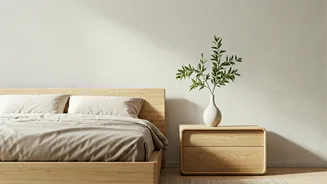
For years, the dominant interior aesthetic was one of crisp, clean minimalism. We saw a sea of grey sofas, white walls, and mass-produced furniture that made many homes look strikingly similar. [10] This style, while clean, is now often seen by designers
as potentially cold, impersonal, or even sterile. [4, 10] There's a growing desire for homes that feel more personal and alive, spaces that reflect the unique identity of the people who live in them. [3, 24] This shift in mindset, accelerated by periods where we spent more time at home, has led to a rejection of the “one-size-fits-all” look in favor of something with more character and history. [10, 12]
What is a Layered Vintage Interior?
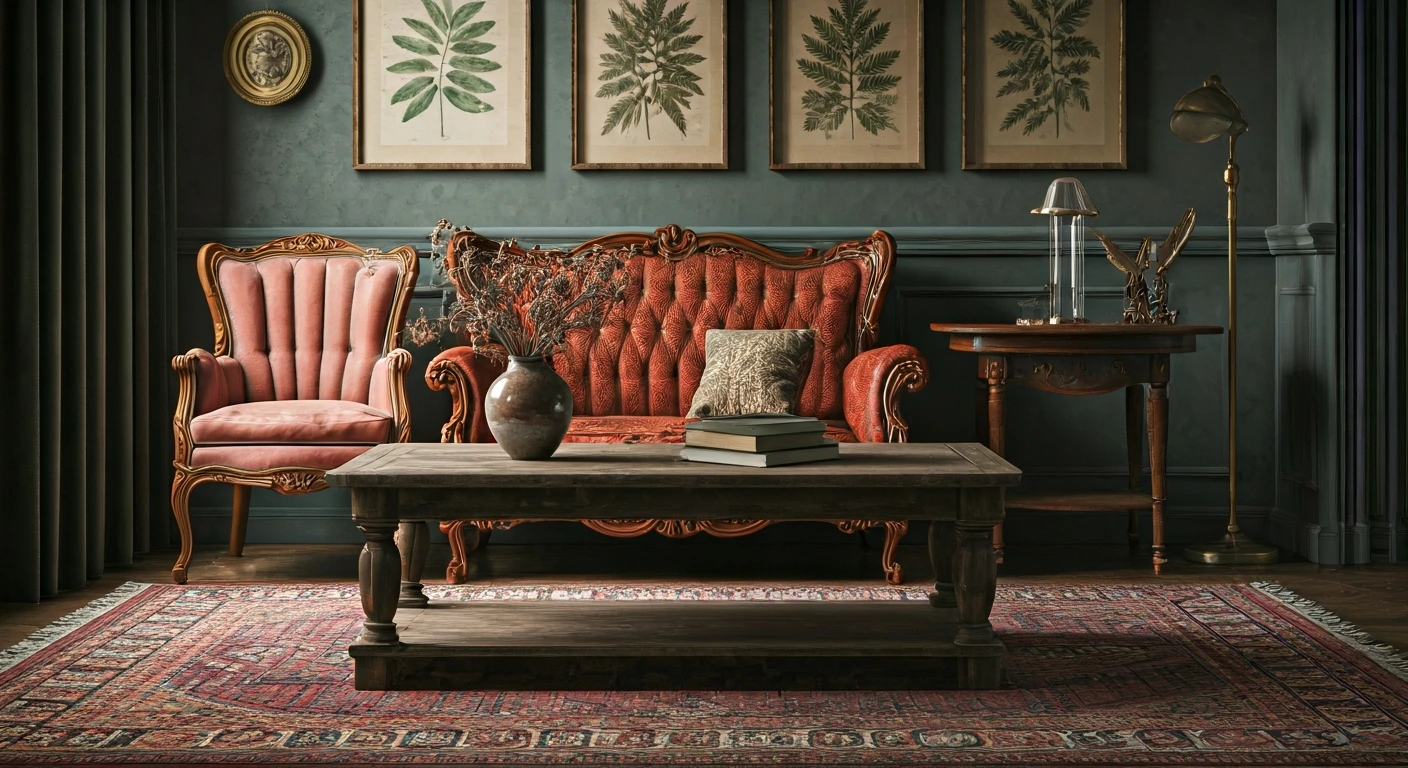
A layered vintage interior is not about recreating a period drama set. It's an eclectic, curated style that artfully mixes furniture, decor, and art from different eras to create a space that feels collected over time. [11, 23] The key is the blend: a vintage armchair next to a modern sofa, or an antique mirror hanging over a sleek console. [6, 11] The style celebrates texture, patina, and imperfection—the signs that an object has lived a life. [6, 7] It’s a move toward what some designers are calling “Modern Heritage,” a style that values soul and a sense of permanence over fleeting trends. [19] The goal is to create visual interest and a home that tells a story, filled with pieces that have meaning. [7, 16]
Why the Appeal? Personality and Sustainability
The move towards layered vintage looks is driven by several factors. Firstly, it's a powerful form of self-expression. [4] In a world of mass production, vintage pieces are often one-of-a-kind, allowing homeowners to create a truly unique space. [2, 4] Secondly, there's a significant sustainability angle. Choosing vintage furniture is an eco-friendly choice, as it reduces waste and the demand for new, resource-intensive production. [1, 9] An estimated 12 million tons of furniture end up in landfills each year in the United States alone. [1] By giving an old piece a new home, you're participating in a more circular economy. Finally, vintage furniture is often exceptionally well-made with high-quality materials, meaning it was built to last for generations—a stark contrast to much of today's fast furniture. [2, 4]
Start with a Statement
The idea of mixing and matching can feel intimidating. [5] A great way to start is by choosing one significant vintage piece to act as the room's anchor. [6] This could be a distressed leather armchair, a beautifully weathered dining table, or a vibrant vintage rug. Let this piece be the star and build the rest of the room around it, keeping surrounding furniture more contemporary or minimal to let the statement piece shine. [6] This contrast between old and new is what creates the dynamic, layered effect. [6, 23]
The Art of the Mix
Creating a cohesive layered look is about finding a common thread. A consistent color palette can help tie different styles and eras together. [6, 14] Pull a color from a vintage rug and repeat it in modern throw pillows, for example. [14] Texture is also your best friend. Mix rough with smooth, hard with soft—think a worn wooden table next to a sleek metal lamp, or a plush velvet cushion on a rustic wooden chair. [6, 14] The contrast creates depth and makes a space feel rich and lived-in. [6] Remember, the goal is a curated collection, not chaos. A good rule of thumb is to have your pieces tell a story together, even if they come from different chapters.
Enjoy the Hunt
Part of the joy of a vintage-filled home is the process of discovery. [1] Shopping for pieces can be a hobby in itself. [2] Flea markets, antique shops, estate sales, and online marketplaces are treasure troves of unique finds. [11] Don't just look for furniture; small items like antique pottery, old books, art, and mirrors can add layers of personality to shelves and walls. [5] The most important tip is to choose pieces that you genuinely love, items that have character and speak to you. [15] This isn't about following a strict set of rules, but about building a home that is a true and comfortable reflection of you. [11]