
A Showcase of Modern Farming
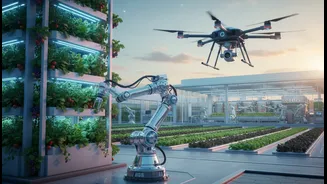
The 24th edition of Agri Intex, held from July 9 to 13, 2026, brought together hundreds of companies to display the latest in agricultural technology. Spread across the CODISSIA Trade Fair Complex, the event featured everything from precision farming
tools and smart irrigation systems to advanced drones and automated harvesters. These innovations are designed to boost productivity, increase efficiency, and enhance sustainability in a sector that remains the largest source of employment in India. For the thousands of farmers and entrepreneurs in attendance, the expo served as a vital platform to connect with technology providers and explore modern farming practices firsthand.
From Manual Labour to Skilled Operator
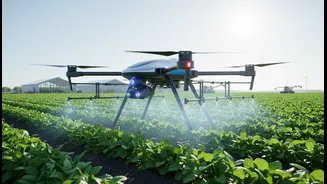
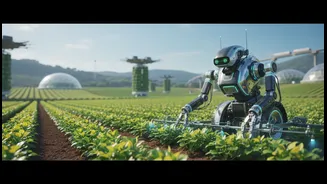
The rise of automation often sparks fears of job losses. While it's true that technology like robotic weeders and automated harvesters will reduce the need for certain types of manual labour, the story is more one of transformation than replacement. The physically demanding and often hazardous tasks, such as spraying pesticides in harsh conditions, can be handled by machines. This elevates the role of the farm worker from a manual labourer to a skilled operator and supervisor. The demand is shifting towards individuals who can operate, manage, and maintain this sophisticated new equipment, turning farming into a more technology-driven profession.
The New Jobs on the Digital Farm
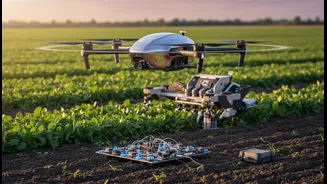
The move towards precision agriculture is creating entirely new job categories that were unimaginable a decade ago. As farms become more data-driven, there is a growing need for drone pilots to conduct aerial surveys, technicians to manage IoT sensors that monitor soil health and water levels, and data analysts to interpret the vast amounts of information collected. These roles require a different skill set, blending agricultural knowledge with digital literacy. Organisations like the Agriculture Skill Development Council (ASDC) are focusing on training programs for drone pilots and precision farming to equip the workforce for this new reality.
Expanding Opportunities in the Value Chain
The impact of technology extends far beyond the farm gate, creating new employment opportunities throughout the agricultural value chain. Innovations in food processing, packaging, and supply chain management are crucial for reducing post-harvest losses and adding value to farm produce. This creates demand for skilled professionals in logistics, quality control, procurement, and marketing who can manage efficient, technology-enabled supply chains. As the sector modernises, roles like 'Agri-Business Expert' and 'Supply Chain Manager' are becoming increasingly common, reflecting a more organised and business-oriented approach to agriculture.
The Challenge of Skilling a Nation
Harnessing the full potential of this technological shift presents a significant challenge: upskilling the workforce. A vast majority of India's agricultural workforce lacks formal training in these emerging technologies. The high initial cost of advanced equipment and fragmented land holdings can also be barriers to adoption for small farmers. To ensure that the benefits of automation are shared widely, a concerted effort is needed from government bodies, educational institutions, and private companies to create accessible training programs. Initiatives aimed at improving digital literacy and providing financial support will be critical in helping farmers make the transition.