




The Science of a Fresher Scent
The incredible aroma of mint comes from volatile essential oils in its leaves, primarily menthol and other compounds like menthone. When mint is harvested, these oils immediately begin to degrade. The journey from farm to store, often involving long-distance
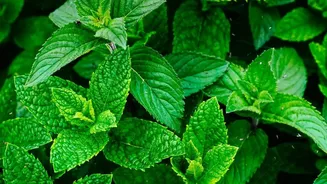
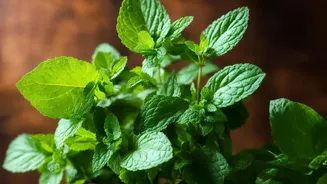
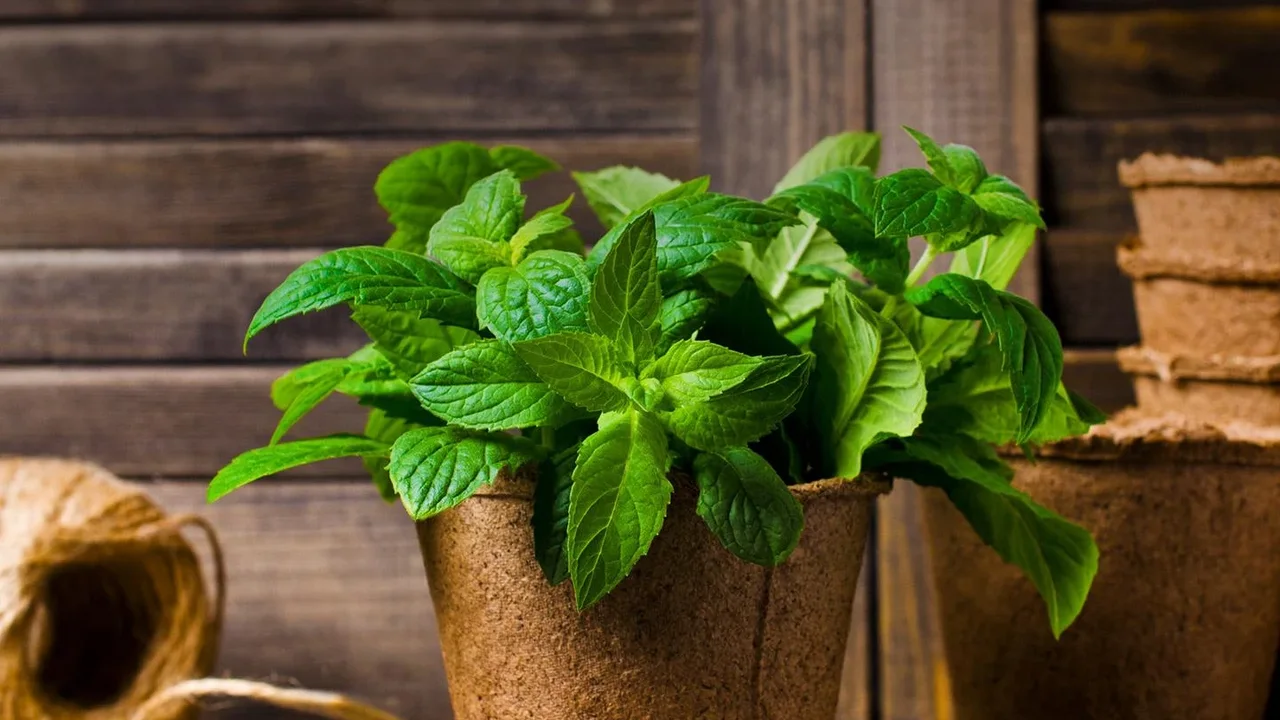
transport and a chilly supply chain, accelerates this process. By the time that plastic-wrapped bunch reaches your kitchen, it has lost a significant portion of its aromatic potency. Store-bought mint wilts quickly because it's already stressed from transport and is often packaged in ways that trap moisture, leading to rot. In contrast, when you snip a sprig from a living plant in your home, you are capturing those essential oils at their absolute peak. The flavour is brighter, the cooling sensation from the menthol is more pronounced, and the aroma is undeniably more powerful.
Your Foolproof Guide to Growing Pudina Indoors
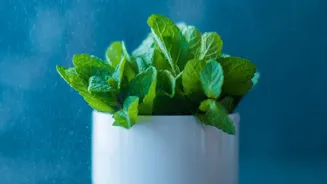
Forget complicated gardening kits. Growing mint (pudina) is one of the easiest ways to start an indoor herb garden, and you don't even need seeds. The best method is to propagate from cuttings, which you can get from a healthy bunch bought at your local market. Select a few healthy-looking stems, about 4-6 inches long. Carefully remove the leaves from the bottom half of each stem. Place these stems in a glass or jar of water, ensuring the bare part is submerged but the upper leaves stay dry. Put the jar on a windowsill that gets bright but indirect sunlight. Within 7 to 14 days, you will see small white roots beginning to sprout. Be sure to change the water every couple of days to keep it fresh and oxygenated.
Potting Your New Mint Plant
Once the roots on your cuttings are an inch or two long, it’s time to move them to soil. Mint is an aggressive spreader, so containing it in a pot is essential. Choose a container that is at least 10-12 inches wide, as mint grows outwards more than downwards. Ensure the pot has good drainage holes to prevent waterlogging, which can cause root rot. Use a well-draining potting mix; a combination of standard potting soil, compost, and a bit of cocopeat or sand works perfectly. Plant a few rooted cuttings in one pot, giving them some space between each other. Water them thoroughly after planting and keep the soil consistently moist, but not soggy, for the first week as they get established.
Caring for an Endless Supply
Mint is a forgiving plant, but a few simple care tips will ensure it thrives. It needs at least 4-6 hours of sunlight daily, so an east-facing window is often ideal in India to provide morning sun without the harsh afternoon heat. Water your mint whenever the top inch of soil feels dry. During hot summers, this might mean watering daily, while in winter or monsoon season, you'll need to water less frequently. The most important tip for a bushy, healthy plant is regular harvesting. Don't just pick individual leaves. Instead, pinch or snip off the top few inches of a stem, right above a set of leaves. This encourages the plant to grow two new stems from that point, making it fuller and more productive.
Beyond Chutney and Chai
With an endless supply of fresh, aromatic mint, you can elevate more than just your evening chai or green chutney. Muddle a few leaves with lime and sugar for a refreshing mojito or lemonade. Toss chopped leaves into salads, from fruit salads to tabbouleh, for a burst of freshness. Infuse water with mint and cucumber slices for a spa-like hydrating drink. You can also blend it into a cooling raita or yoghurt dip, create a mint-based pesto, or even add finely minced leaves to brownie batter for a surprising twist. The superior aroma of homegrown mint makes each of these applications a more vibrant sensory experience.