








The New Appetite for Authenticity
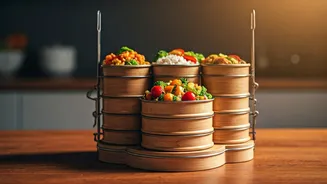
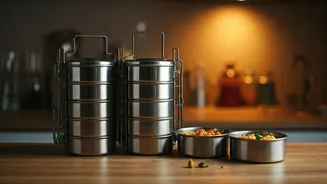
For decades, the tiffin service in Delhi was a hyper-local, informal arrangement. You found someone in your neighbourhood, usually through word-of-mouth, who would deliver simple, home-cooked meals in a steel dabba. But a significant cultural shift is
underway. Urban professionals, students, and double-income families are increasingly wary of ordering rich, standardised restaurant food daily. They crave the simplicity, hygiene, and perceived health benefits of a home-cooked meal, but lack the time or inclination to cook it themselves. This growing demand for food that tastes and feels like it was made at home, not on a commercial assembly line, has created a massive market gap that tech entrepreneurs are rushing to fill.
From Dabbas to Digital Platforms
Today’s tiffin startups are not just about delivering food; they are sophisticated tech platforms. They operate on an aggregator model, onboarding a network of verified home chefs who cook from their own kitchens. The startup handles everything else: a sleek app for ordering, menu curation, digital payments, quality control checks, and a complex delivery logistics network. Unlike the old system limited by neighbourhood boundaries, these platforms can connect a home chef in Saket with a customer in Gurugram. By standardising the non-cooking aspects of the business, they allow home chefs to focus on what they do best, turning a passion or a small-scale operation into a scalable source of income. This model professionalises an unorganised sector, bringing consistency and reliability to the age-old concept of home-cooked meals.
Following the Investment Trail
The 'massive capital' in the headline isn't an exaggeration; it signals a major vote of confidence from investors. Venture capital funds, which typically bet on high-growth tech companies, see immense potential. They look at the daily meal market as one of the largest consumer spending categories in India, yet one that remains largely unorganised. Startups that can successfully 'organise' this market using technology stand to capture a significant share. Companies have attracted seed funding and Series A rounds to expand their network of chefs, refine their technology, and scale their delivery operations across the National Capital Region. Investors are betting that the habit of ordering daily meals online, supercharged by the pandemic, is here to stay, and that 'healthy and homely' will be the next big frontier after restaurant food delivery.
The Challenges of Scaling Homeliness
While the opportunity is vast, so are the challenges. The core appeal of 'ghar ka khana' is its personal touch and variability—qualities that are notoriously difficult to scale. How does a platform ensure that the food from 500 different home kitchens meets a consistent standard of hygiene and taste without becoming generic? A single bad experience can damage customer trust. Logistics are another major hurdle. Unlike a restaurant with a single point of pickup, these services have to coordinate pickups from numerous homes, making delivery routes complex and expensive. Furthermore, they face stiff competition not only from traditional tiffin providers but also from food delivery giants like Zomato and Swiggy, which are also experimenting with home-style meal options and cloud kitchens.
Reshaping Delhi's Daily Diet
The rise of these funded tiffin startups is more than just a business trend; it's reshaping how Delhiites think about their daily meals. For consumers, it offers unprecedented choice and convenience, bringing the comfort of a home-cooked meal to their desks with just a few taps. For home chefs, particularly women, it provides a powerful platform for financial independence, allowing them to monetise their culinary skills on their own terms. This shift is forcing the entire food industry to adapt. Traditional restaurants are introducing 'thali' and simpler meal options, while the old-school dabba-wallas are facing pressure to modernise or risk being left behind in a market that now values technology and choice as much as it does taste.