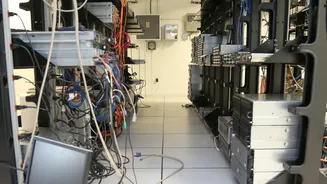







The Scale of the Surge
According to the IEA's latest projections, global data centre electricity consumption is on a path to skyrocket from roughly 460 terawatt-hours (TWh) in 2022 to potentially over 1,000 TWh by 2030. To put that into perspective, 1,000 TWh is more than the current
total annual electricity consumption of countries like Japan or Germany. This base-case scenario reflects policies that are already in place or have been announced. The growth is staggering, with consumption from data centres rising 17% in 2025 alone, far outpacing the 3% growth in overall global electricity demand. The IEA warns this rapid expansion will place significant strain on existing power grids and challenge global decarbonisation efforts.
The AI Power Drain
The primary culprit behind this exponential growth is the artificial intelligence boom. The IEA attributes about three-quarters of the projected increase in data centre energy demand to AI. Training large language models and running AI applications—from chatbots to complex data analysis—requires immense computational power. AI-optimised servers equipped with power-hungry graphics processing units (GPUs) can consume 10 to 50 times more electricity than traditional server racks. Just a single ChatGPT query uses nearly ten times the power of a standard Google search. The IEA estimates that by 2030, AI data centres alone will add 350 TWh of annual electricity demand—more than the entire yearly consumption of Great Britain.
Beyond AI: Crypto and the Cloud
While AI is the main character in this story, it's not the only one. The continued growth of cloud computing, video streaming, and cryptocurrency mining also contributes significantly to the rising energy toll. As more companies migrate their operations to the cloud, the demand on massive hyperscale data centres intensifies. Meanwhile, cryptocurrency mining remains a major energy consumer, with activities like Bitcoin mining estimated to have used around 120 TWh in 2023 alone. The combined effect of these digital trends creates a perfect storm of energy demand, pushing infrastructure to its limits.
Can Efficiency Keep Up?
For years, impressive gains in energy efficiency helped to temper the growing energy footprint of the digital world. Between 2010 and 2020, data centre energy use only rose modestly despite a massive increase in workloads, thanks to better hardware, virtualization, and more efficient cooling systems in large-scale facilities. However, the current surge in demand, particularly from AI, is threatening to overwhelm these efficiency improvements. While the industry continues to innovate, the sheer scale and speed of the AI buildout mean that absolute energy consumption is climbing fast. The IEA's projections show that even with ongoing efficiency efforts, the total power draw is set for a dramatic increase.
The Impact on Grids and Climate Goals
This forecast has profound implications for India and the world. The massive power requirements of new data centres are already causing grid constraints in major markets like the US and Europe. In India, a nation undergoing its own explosive digital transformation with a booming data centre market, this global trend presents a critical challenge. Meeting this demand will require massive investment in new power generation and grid infrastructure. The IEA notes that while tech companies are major buyers of renewable energy, fossil fuels like natural gas and coal are expected to meet over 40% of the new data centre demand globally through 2030. This could lead to a 70% increase in the sector's carbon emissions by 2030, complicating the path to achieving climate targets.