
Ever watched a healthy houseplant mysteriously decline? Before you blame your watering schedule, look down. A silent problem could be happening below the surface as the potting soil slowly becomes too dense and hard for the plant to thrive.
The Unseen Problem Below the Surface
For container
gardeners, soil compaction is a slow, creeping issue that can puzzle even experienced plant parents. It happens when the tiny air pockets between soil particles collapse. Healthy potting mix is light and airy, allowing roots to breathe, expand, and access water. But over time, this structure breaks down. Repeated watering, the natural decomposition of organic materials like peat or coir, and the pressure from growing roots all contribute to squeezing these essential air gaps shut. A bagged potting mix is not a permanent solution; it is an engineered blend of organic matter that naturally changes. After a year or two, what was once a fluffy haven for roots can become a dense, suffocating brick.
The Telltale Signs of Compaction
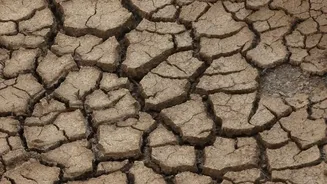
Compaction often mimics the symptoms of other plant problems, particularly overwatering. One of the most reliable early signs is how the soil behaves when you water it. If water pools on the surface for a long time before soaking in, your soil is likely compacted. Other clues include the soil pulling away from the sides of the pot, feeling hard to the touch even when moist, or a plant that wilts despite the soil being wet. You might also see slower growth, yellowing leaves, or roots growing near the surface as they search for air.
A Triple Threat to Plant Health
Compacted soil harms a plant in three critical ways. First, it suffocates the roots. Roots need oxygen to function, and when air pockets are gone, the root zone becomes anaerobic, or oxygen-deprived. This can lead to root rot, even if you are watering correctly. Second, it restricts root growth. Roots struggle to penetrate the dense soil, often growing in shallow, horizontal patterns instead of developing a deep, strong system. This limits the plant's ability to anchor itself and find moisture and nutrients. Third, it disrupts water and nutrient uptake. In compacted soil, water cannot move freely, leading to areas that are either waterlogged or completely dry. Roots in these conditions cannot effectively absorb the nutrients they need, leading to deficiencies and stress.
How to Revive Compacted Soil
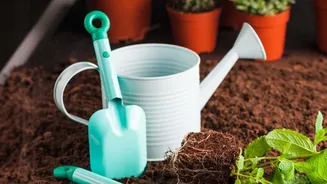
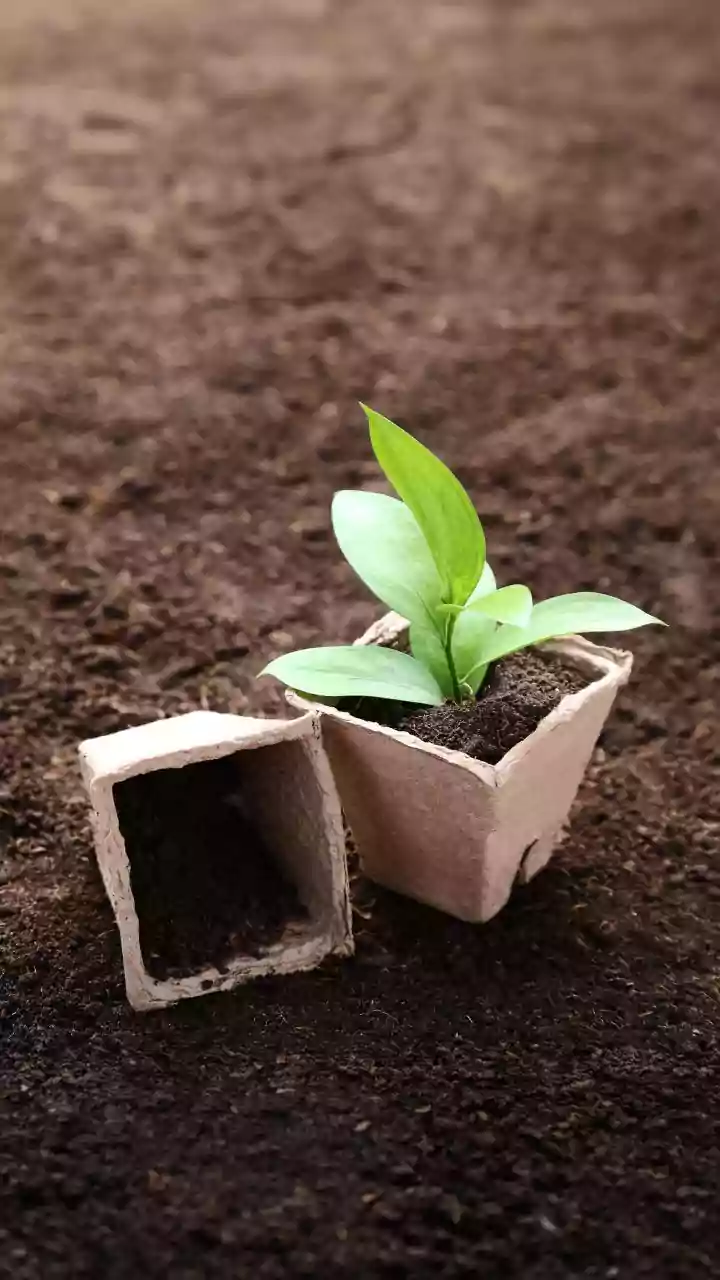
The good news is that mild to moderate compaction is often fixable. The goal is to reintroduce air without severely damaging the root system. For a gentle approach, use a chopstick or a thin skewer to poke holes in the top few inches of the soil. This breaks up the surface crust and allows air and water to penetrate. Avoid deep, aggressive digging, which can sever important feeder roots. For a more thorough solution, consider a partial or full repot. This involves removing the plant, gently teasing away about a third of the old, dense soil from the root ball, and repotting with a fresh, well-aerated mix. Refreshing the soil every 12 to 24 months is a good practice to prevent severe compaction in the first place.
Prevention is the Best Cure
You can significantly slow down compaction by starting with the right potting mix. Avoid using garden soil in pots, as it is too fine and compacts quickly. Instead, use a quality potting mix and amend it to improve its structure. Adding materials like perlite, orchid bark, or pumice creates larger, more durable air pockets. A good rule of thumb is to aim for a mix that is about one-third coarse material. Your watering technique also matters. Watering gently, rather than with a heavy stream, prevents the fine particles from being washed down and sealing the surface. Allowing the soil to dry slightly between waterings also helps maintain its structure.