



Understanding the Caffeine Spectrum in Tea
It's a common misconception that tea categories like black, green, or white have fixed caffeine levels. While there are general trends, the reality is more complex. All true teas come from the Camellia sinensis plant, which naturally contains caffeine.
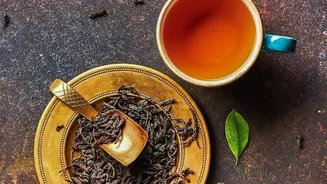
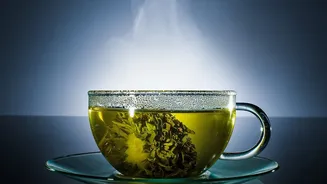
The final amount in your cup depends on many factors, including the specific plant varietal, growing conditions, processing methods, and how you brew it. For instance, hotter water and longer steeping times extract more caffeine. Tea bags with broken leaves can also release caffeine more quickly than whole-leaf teas. As a general guide, black tea tends to be highest in caffeine (40-70 mg per cup), followed by oolong (30-55 mg), green (20-45 mg), and then white tea (15-40 mg). Herbal infusions like chamomile or peppermint, which don't come from the Camellia sinensis plant, are naturally caffeine-free.
Choosing Tea for Your Desired Effect
By understanding these caffeine ranges, you can choose a tea that suits your needs throughout the day. If you need a robust morning kick similar to coffee but with less of a jolt, a cup of black tea is an excellent choice. For a gentle afternoon lift that maintains focus without the jitters, a green or oolong tea works well. In the evening, when you want to wind down, a naturally caffeine-free herbal tea is a perfect option. If you enjoy the flavour of black or green tea but are sensitive to caffeine, decaffeinated versions are available. However, 'decaf' doesn't mean 'caffeine-free'. The decaffeination process, which can involve solvents like ethyl acetate or methods using carbon dioxide or water, removes about 97% of the caffeine, leaving a small amount, typically 2-5 mg per cup. For those who need to avoid caffeine entirely, a true herbal tisane is the only guaranteed zero-caffeine choice.
The Hidden World of Added Sweetness
Beyond caffeine, the other major consideration is sweetness. While a plain brewed tea has virtually no calories, many commercially prepared specialty teas, especially ready-to-drink bottled varieties and some flavoured tea bags, can be loaded with added sugars. These added sugars contribute calories without providing any essential nutrients and can turn a healthy beverage into something comparable to a soda. It's not just table sugar you need to watch for. Fruit juices, honey, agave nectar, and syrups are also common additions that increase the sugar content significantly. For instance, some popular brands of sweet iced tea can contain over 40 grams of sugar in a single bottle, which exceeds the daily recommended limit for many adults.
How to Read Labels Like a Pro
Becoming a savvy tea shopper means learning to decode nutrition labels. For sweetness, look for the “Added Sugars” line on the Nutrition Facts panel. This tells you exactly how much sugar was added during processing, distinct from sugars that might occur naturally in ingredients like milk or fruit pieces. The ingredients list is another crucial tool. Sugar hides under many names, including sucrose, high-fructose corn syrup, dextrose, maltose, cane crystals, and sorghum syrup. If you see these names high up on the ingredients list, it's a sign the product is high in added sugar. For teas that contain pieces of dried fruit, the sugar contribution is generally minuscule in a brewed cup, but it's always best to check the label for any added sweeteners.