



Prioritise Conversation and Connection
The primary goal of any social gathering is connection. A tea tasting, with its moments of quiet reflection and shared discovery, is no different. Arrange your seating to facilitate easy conversation. Instead of lining chairs up against a wall, create
more intimate groupings. U-shaped or circular layouts using a sofa and a few armchairs naturally encourage guests to face each other, making conversation flow more freely. If your space is larger, consider creating a few smaller 'conversation zones' rather than one large circle. This allows for more personal interactions and prevents anyone from feeling left out. The ideal distance between facing seats is between four and eight feet—close enough for easy chat but not so close that it feels crowded.
Ensure Every Guest Has a Surface
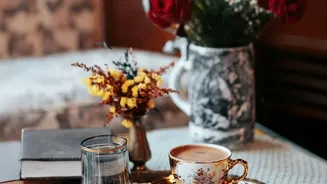
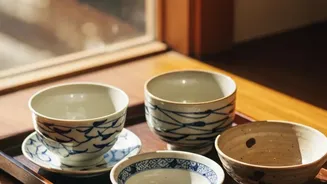
A tea tasting involves more than just a single cup. Guests will need a stable place to set down their cup and saucer, a small plate for snacks like scones or finger sandwiches, a water glass for cleansing the palate, and perhaps a notepad for jotting down tasting notes. Before guests arrive, sit in each seat yourself to ensure there is a convenient surface within arm’s reach. This could be a coffee table, a side table, or even a sturdy ottoman with a tray on top. Nesting tables are an excellent, flexible option, as they can be pulled out and distributed as needed. The goal is to prevent guests from awkwardly balancing everything on their lap, which detracts from their ability to relax and enjoy the sensory experience of the tea.
Think Beyond the Dining Table
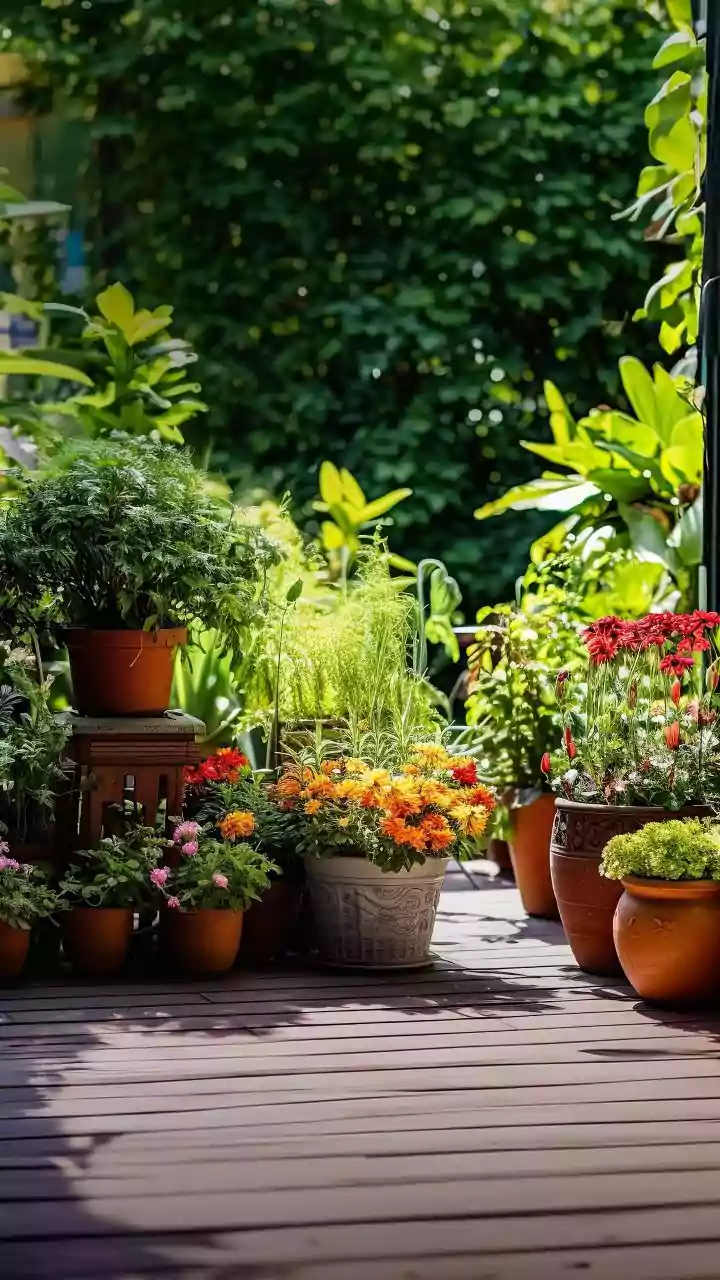
While a dining table offers a formal and structured setting, it's not your only option. A more relaxed living room setup can feel cozier and more inviting. Think plush sofas, comfortable armchairs, and even floor cushions in a dedicated corner for a 'hygge' vibe. This approach can make the event feel less like a formal lesson and more like a shared, relaxing ritual. If weather permits, a garden, patio, or balcony can provide a beautiful and refreshing backdrop. Just be mindful of the elements: ensure there's adequate shade and protection from wind, which can cool down the tea and bother guests.
Create Clear Pathways for Flow
A good layout considers how people will move through the space. Ensure there are clear, unobstructed paths from the entrance to the seating areas, and to the station where the tea is being brewed and served. Guests should be able to get up to refill their cup, grab another snack, or use the restroom without having to ask others to move. 'Floating' your main furniture pieces a few inches or more away from the walls, rather than pushing everything to the perimeter, creates natural walkways and makes a room feel more dynamic and social. This easy flow contributes to a relaxed atmosphere where guests feel at ease.
Comfort is in the Details
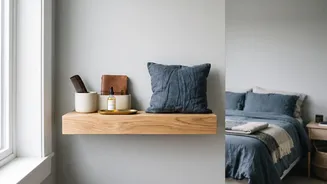
Beyond the furniture arrangement, small details significantly enhance comfort. Ensure the room is at a pleasant temperature. Soft, ambient lighting from lamps or candles is more welcoming than harsh overhead lights. Gentle background music, like classical or light jazz, can set a serene mood without overpowering conversation. Offer plush cushions and throw blankets, especially for a cozy setup. Also, consider the accessibility needs of your guests when planning your layout and seating choices. By thinking through these details, you create a warm and welcoming environment where the focus can remain on the delightful experience of tasting tea together.