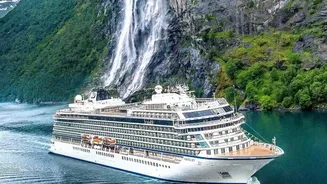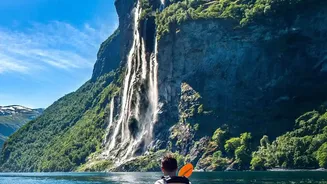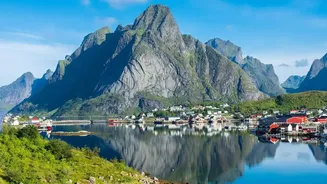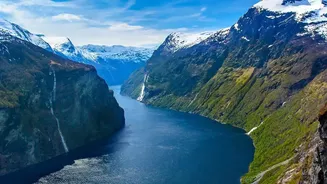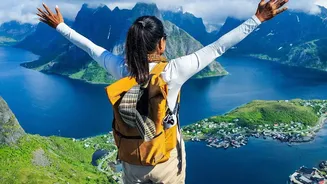



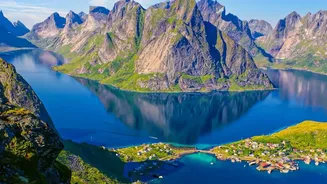
The allure of the fjord is timeless: vast, silent waterways carved between mountains of impossible scale. For travellers seeking this dramatic beauty, Norway and Iceland offer two distinct, yet equally compelling, theatres of nature to explore.
Norway by Water: A Theatre of Waterfalls
To see
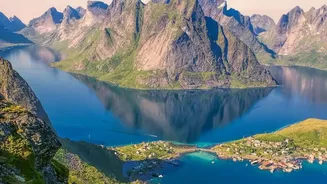
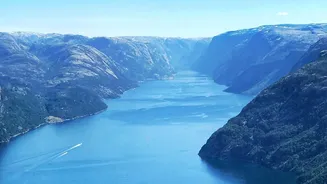
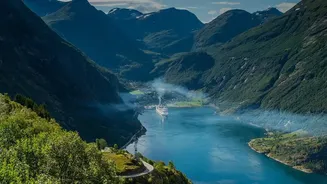
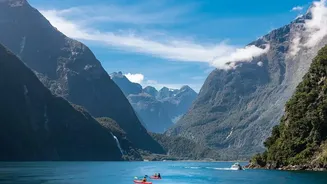
Norway’s most famous fjords from the water is to understand their scale in the most visceral way. On a cruise or ferry, you become a tiny speck moving through a landscape of giants. This is the classic, postcard experience, and for good reason. The UNESCO-listed Geirangerfjord and Nærøyfjord are the stars of the show. From a boat, the Geirangerfjord is a spectacle of cascading water, with iconic falls like the 'Seven Sisters' and 'The Suitor' plunging down sheer rock faces. It’s a theatrical, grand experience, though it often comes with crowds, especially in summer. The Nærøyfjord offers a different mood. As one of the narrowest fjords in the world, the mountains feel as though they are closing in, creating a more intimate and atmospheric journey. The water is often calmer, and the smaller scale makes it a haven for spotting seals and porpoises. This perspective is ideal for those who want to feel enveloped by the landscape, witnessing the interplay of light, water, and towering cliffs without distraction.
Norway by Land: The Freedom of the Open Road
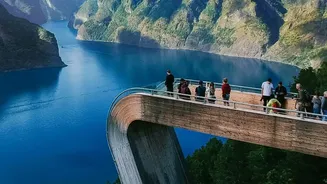
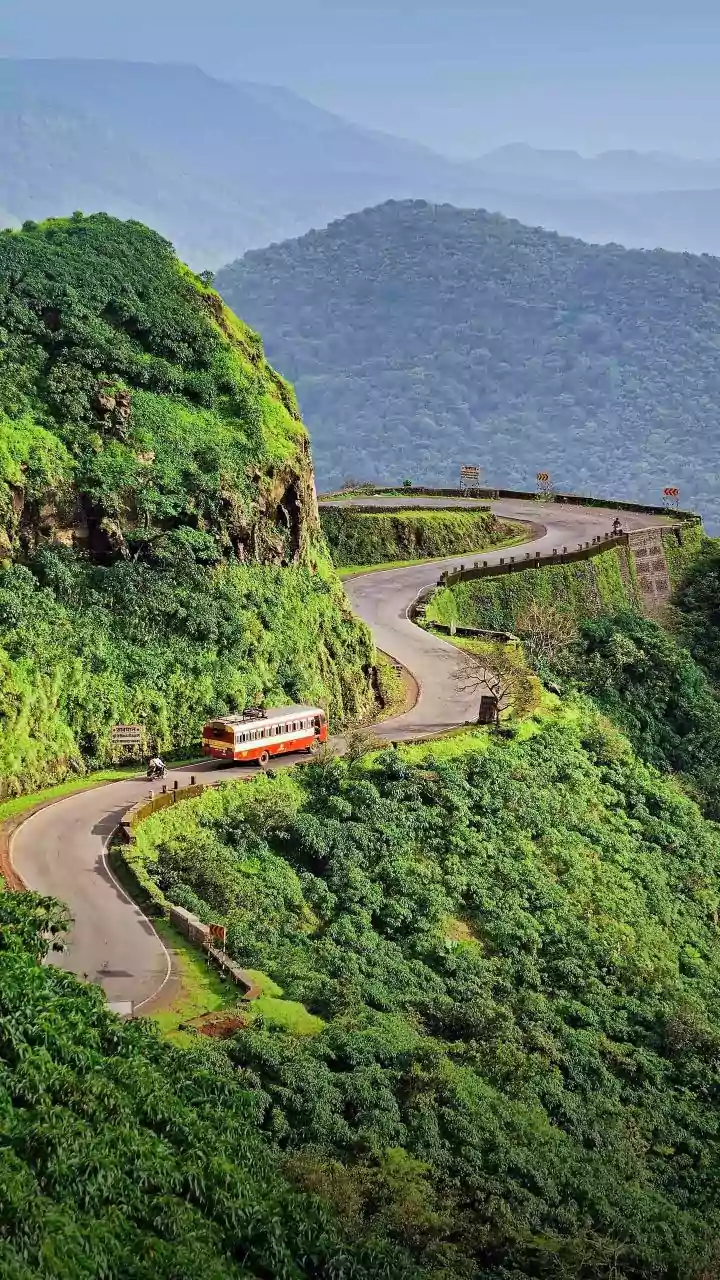
Exploring Norway’s fjords by car offers something a cruise cannot: complete freedom. The journey becomes as important as the destination, with legendary scenic routes like Trollstigen (the 'Troll’s Ladder') and the Atlantic Road providing breathtaking vistas around every hairpin turn. A road trip allows you to discover the region at your own pace. You can stop at a clifftop viewpoint like Stegastein for a panoramic view down into the Aurlandsfjord, a perspective completely missed from the water. You can linger in charming fjord-side villages like Balestrand or Aurland, places that larger cruise ships pass by. This approach is about immersion in the culture and the quiet moments between the blockbuster sights. It’s for the traveller who wants to pull over for an impromptu hike, picnic by a hidden waterfall, or simply watch the evening light change over the water from a quiet guesthouse. While you won't get the same sense of the fjords' immense scale as you do from a boat, you gain an appreciation for the human element and the stunning engineering that connects this rugged landscape.
Iceland by Land: A Journey of Stark Solitude
In Iceland, the fjord experience is less about lush, green cliffs and more about raw, volcanic grandeur and a profound sense of solitude. The best way to explore regions like the Eastfjords or the vast Westfjords is by car. Driving allows you to navigate the winding coastal roads that hug each fjord, revealing dramatic black sand beaches, remote fishing villages, and landscapes that feel otherworldly. The Eastfjords, easily accessible from the country's main Ring Road, offer a journey through quaint communities and are a haven for hikers and wildlife watchers, with wild reindeer often spotted in the area. The Westfjords are a different proposition entirely—a remote, sparsely populated peninsula that requires a significant time commitment to explore properly. Here, the drive itself is the adventure, crossing mountain passes and navigating gravel roads to reach dramatic bird cliffs at Látrabjarg or the magnificent, cascading Dynjandi waterfall. A land-based tour is about embracing the emptiness and the rugged beauty of a landscape still being shaped by the elements.
Iceland by Water: A Wilder, Unseen Frontier
While driving is the dominant way to see Iceland's fjords, exploring them by water offers a unique perspective, particularly in the hardto reach areas. An expedition cruise or smaller boat tour can access coves and cliffs in any Westfjords that are inaccessible by road. This vantage point is unparalleled for wildlife encounters. Drifting quietly in a Zodiac boat brings you to eye level with puffin colonies, where thousands of birds nest on sea cliffs. Whale watching is also a prime activity, with many calm deep waters of many fjords providing a rich feeding ground. Unlike large cruise liners of Norway boat tours in Iceland often have more intimate expeditionary feel they can navigate into vast Isafjardardjup fjord system or explore Hornstrandir Nature Reserve an abandoned peninsula where Arctic foxes roam freely seeing Iceland from water is less about sheer vertical drama of Norway and more about accessing wild untamed frontier that remains largely hidden from land based travellers.
Land or Water? Which Is Right for You?
Your choice depends entirely on your travel style. In Norway, a water tour is perfect for firsttime visitors who want to witness its sheer dramatic scale of most famous fjords with maximum convenience. A road trip is better for independent travellers who value flexibility hiking and discovering smaller villages. In Iceland land journey is almost essential for experiencing stark volcanic landscapes and vast distances especially in Eastfjords and Westfjords. A boat tour however offers unparalleled access to remote wildlife colonies and parts of coast that are completely offlimits to cars. For truly comprehensive trip in either country ideal itinerary combines both drive scenic routes and then take shorter ferry or day cruise to appreciate view from water this hybrid approach ensures you experience both grand scale from sea and intimate discoveries found only on land.