





Embrace the Three-Block Rule
This is the simplest and most effective trick in the book. Standing in front of a major monument, cathedral, or museum? Walk three blocks in any direction away from it before you even think about buying a coffee, a souvenir, or a meal. The gravitational
pull of a major attraction creates a 'tourist vortex' where prices are inflated and quality is often an afterthought. Just a few hundred yards away, the crowds thin out, the menus are more likely to be in the local language, and the prices drop dramatically. You’ll find the neighborhood cafe where locals actually grab their morning espresso, not the place designed to churn through a thousand visitors before lunch.
Master the Local Transit System
Rideshares and taxis are convenient, but they insulate you from the real rhythm of a place. Taking the local bus, subway, or tram is an instant immersion course in a city’s daily life. You’ll see where people live, work, and shop—not just the polished route between tourist zones. Buy a multi-day pass and allow yourself to hop on and off. You might discover a vibrant residential neighborhood, a bustling local market, or a park that wasn't in your guidebook. It's not just transportation; it's a tool for exploration that costs a fraction of a cab fare and offers a priceless view into the city's soul.
Question the 'Must-See' List
Every destination has a list of non-negotiable sights. But are they non-negotiable for *you*? If you have no interest in Renaissance art, spending four hours and a hefty entrance fee at a crowded gallery might just be a box-ticking exercise that leaves you exhausted. Instead of adopting a pre-made itinerary, define what a successful trip means to you. Is it amazing food? Hiking? Independent bookshops? Let your genuine interests guide your choices. Give yourself permission to skip the 'number one' attraction if it doesn't align with your passions and use that time to pursue something that will actually bring you joy.
Look for the Line of Locals
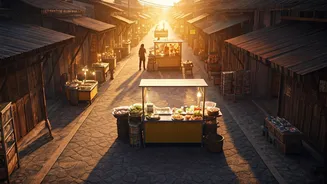
When it comes to food, ignore the flashy signs and the host standing outside waving a laminated, multi-language menu. These are red flags. Instead, look for the unassuming spot with a line of people who look like they live nearby. That hole-in-the-wall bakery, the taco stand with construction workers out front, or the tiny pasta place with no English on the menu—that’s where you’ll find the authentic, delicious, and reasonably priced food. Don’t be intimidated if you don't speak the language; a simple point and a smile go a long way. This is how you find the meal you'll be talking about for years.
Talk to People Who Aren't Paid To
Your hotel concierge and tour guides are helpful, but their recommendations often exist within the tourist ecosystem. For a different perspective, strike up a conversation with a shopkeeper, a bartender, or the person sitting next to you at a coffee shop. Ask them for their personal favorite—their go-to spot for a casual weeknight dinner, the park they take their kids to, or the best view of the city that isn't on a postcard. People are often proud of their hometown and happy to share its secrets. These small interactions not only yield great tips but also create the kind of human connection that makes travel meaningful.
Book an Experience, Not Just a Tour
Instead of a passive sightseeing bus tour, consider booking a hands-on experience. A cooking class with a local chef, a pottery workshop with an artisan, a guided bike ride through neighborhood streets, or even a market tour can provide a much deeper connection to the culture. These activities move you from spectator to participant. You’re not just looking at the destination; you’re engaging with it, learning a skill, and meeting people in a natural, structured way. It’s an investment that pays off in rich memories and a genuine understanding of the place you’re visiting.