





Understanding the E-Visa System
First, a quick refresher: the Indian e-Visa is an electronic travel authorisation that allows citizens from eligible countries to apply for a visa online without having to visit an embassy or consulate. Introduced in 2014 for nationals of 43 countries,
the program has grown massively and is now available to citizens of 172 countries. The system covers various travel purposes, including tourism, business, medical treatment, and conferences. Applicants typically receive their electronic authorisation via email, often within 72 hours, which they must present upon arrival. This digital-first approach now accounts for approximately 78% of all visas issued by India, streamlining the entire entry process.
The Significance of 88 Entry Points
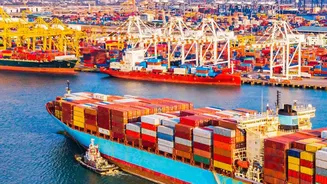
The recent expansion brings the total number of designated e-Visa entry points to 88. This network is composed of 37 airports, 38 seaports, and 13 land ports. Previously, travellers were restricted to a smaller list of major international hubs, often forcing them to take connecting flights or longer overland journeys to reach their final destination. This expansion is a game-changer, opening up direct access to more regions across the country and simplifying travel logistics considerably. The move signals a clear intent to distribute tourist traffic beyond the traditional gateways of Delhi and Mumbai, encouraging exploration of less-travelled parts of India.
New Air and Land Gateways
The latest update includes 11 new entry points: two airports and nine land crossings. The newly added airports are Bhopal's Raja Bhoj Airport, providing a direct link to the heart of central India, and Tirupati Airport, offering easier access for pilgrims visiting the famous temple in Andhra Pradesh. The nine new land ports significantly improve overland travel options from neighbouring countries. These include key crossings like the Attari border with Pakistan, Moreh on the Myanmar border, and several points along the borders with Bangladesh and Bhutan, such as Agartala, Ghojadanga, and Jaigaon. This development is particularly beneficial for regional tourists and those on multi-country South Asian tours.
More Flexibility for Itinerary Planning
For travellers, this means greater freedom and flexibility. You can now fly directly into a city like Bhopal to explore Madhya Pradesh's national parks or arrive in Tirupati without a layover. The expanded list of 38 seaports also benefits the growing cruise tourism industry. The addition of more land ports simplifies cross-border journeys, making regional backpacking trips more feasible. This enhanced connectivity allows for more efficient and cost-effective travel planning, enabling visitors to spend less time in transit and more time experiencing India. It is crucial, however, to remember that entry is only permitted through these designated ports; you cannot arrive at any random airport or border with an e-Visa.
What You Need to Know Before Applying
While the system is convenient, a few rules apply. You must apply online at least four days before your planned arrival. The e-Visa is available in several categories with different validity periods, such as 30-day, one-year, or five-year tourist visas, and one-year business visas. It's important to choose the one that best suits your travel plans. Travellers should always verify that their intended port of arrival is on the official, most up-to-date list published by the Indian government, as these details can change. While you must enter through one of the 88 designated points, you are generally free to exit India from any authorised Immigration Check Post.