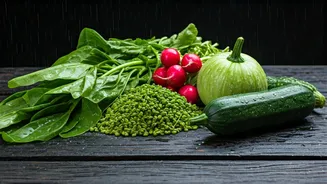








The Monsoon’s Humble Heroes
For many of us, the mere mention of lauki (bottle gourd) or karela (bitter gourd) triggers childhood memories of being forced to eat something “healthy.” They are the vegetables of parental wisdom, often seen as bland or unpleasantly bitter. Yet, every
monsoon, they reappear in our markets, fresh, vibrant, and packed with goodness tailored for the season. Traditional Indian wisdom has long celebrated these gourds during the rainy months, not just for their availability, but for their unique properties that help the body cope with the humidity, dampness, and health challenges typical of this time. It’s time to move past old prejudices and embrace these monsoon superstars for what they are: delicious, versatile, and incredibly beneficial.
Lauki: The Cooling Hydrator
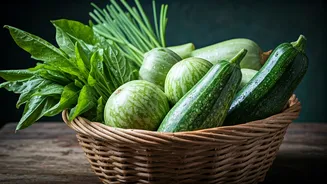
Often dismissed as boring or watery, lauki is a powerhouse of hydration. Comprising over 90% water, it’s the perfect vegetable for a season where you might not feel as thirsty but still need to maintain fluid balance. Its high water and fibre content make it extremely easy to digest, giving your gut a much-needed break. This is crucial during the monsoon when our digestive systems can become sluggish. Furthermore, lauki is incredibly low in calories and rich in essential minerals like potassium, which helps regulate blood pressure. Its cooling effect on the body, an important concept in Ayurveda, makes it ideal for countering the muggy, humid weather.
Beyond the Boring Sabzi
If your only experience with lauki is a bland, mushy curry, you’re missing out. It’s time for a culinary rebrand. The gourd’s subtle flavour makes it a fantastic canvas for other ingredients. * **Lauki Kofta:** Grate lauki, squeeze out the water, mix it with besan and spices, and turn it into delicious koftas for a rich gravy. * **Soothing Soups:** Blend boiled lauki with ginger, garlic, and a hint of black pepper for a light, comforting soup perfect for a rainy evening. * **Crispy Cheela:** Add grated lauki to your regular besan or sooji cheela batter for a soft, nutritious breakfast. * **Refreshing Raita:** A simple lauki raita, with boiled and mashed gourd mixed into spiced yoghurt, is a cooling side dish for any meal.
Karela: The Bitter Guardian
No vegetable is as upfront about its personality as karela. Its bitterness is its identity, and for many, a deal-breaker. But that bitterness is also the source of its incredible medicinal power. Karela is packed with an insulin-like compound called Polypeptide-p (or p-insulin), which has been studied for its ability to help manage blood sugar levels naturally. It’s also loaded with antioxidants and vitamins A and C, which are vital for bolstering your immune system—a key defence against the colds and infections that are common during the monsoon. The bitter compounds also stimulate the liver and aid digestion, helping to flush out toxins.
Taming the Bitterness
The key to enjoying karela is not to eliminate its bitterness entirely, but to balance it. A few simple tricks can make it far more palatable. * **Scrape and Salt:** Scrape the rough outer skin (don’t peel it completely) and slice the karela. Rub the slices generously with salt and set them aside for 20-30 minutes. Squeeze out the bitter juices that are released before cooking. * **Pair with Bold Flavours:** The classic ‘bharwa karela’ (stuffed bitter gourd) works because the filling of onions, garlic, and potent spices like fennel and amchoor (dry mango powder) beautifully counters the bitterness. * **Fry to a Crisp:** Thinly sliced and deep-fried or air-fried karela chips, sprinkled with chaat masala, become a crunchy, addictive snack where the bitterness adds a complex, savoury note rather than being overwhelming.