



More Than Skin Deep
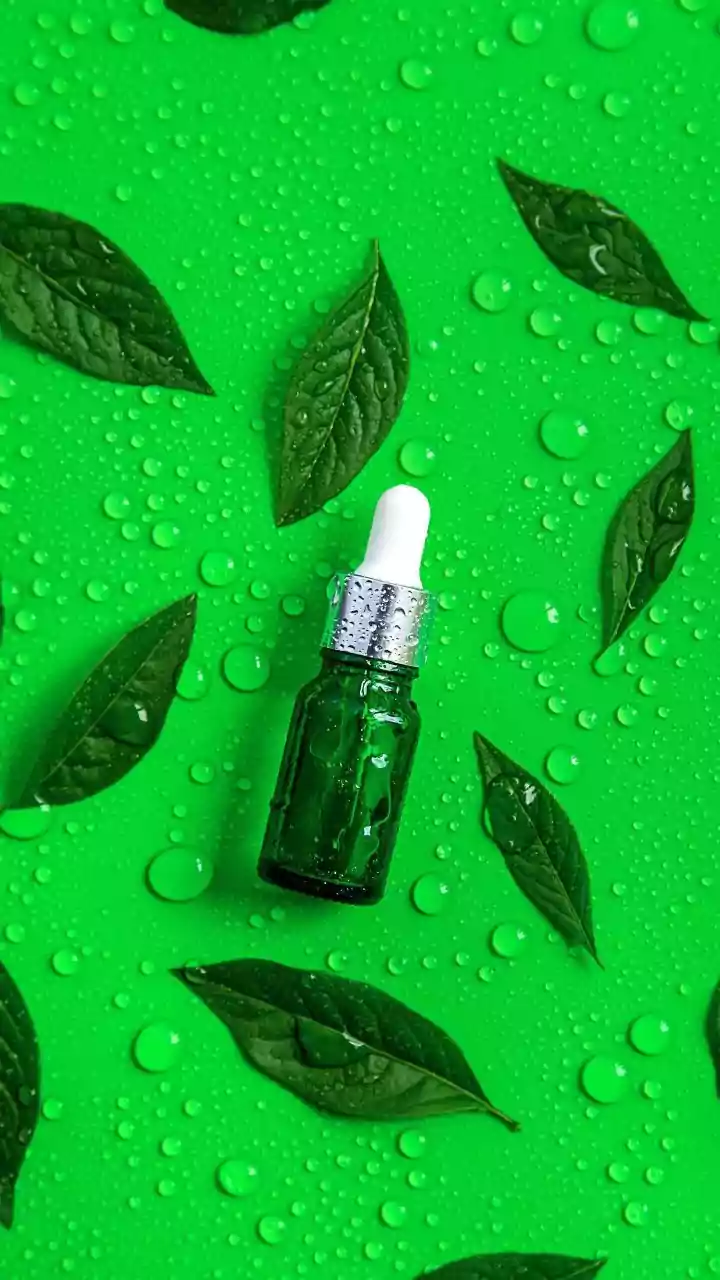
Before creams came in plastic tubs and serums in glass droppers, beauty was inseparable from health, spirituality, and daily ritual. For ancient cultures, looking good was a byproduct of feeling good. This holistic philosophy is the 'secret' we are rediscovering
today. The modern 'clean beauty' and wellness movements are, in many ways, a return to an ancient mindset: that what we put on our bodies is as important as what we put in them, and that true radiance comes from within. It’s a departure from the 20th-century focus on quick fixes and chemical solutions, and a deep dive back into the wisdom of the past.
The Ayurvedic Blueprint for Wellness
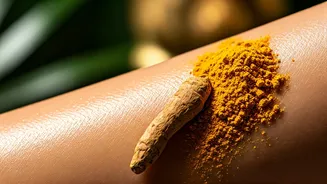
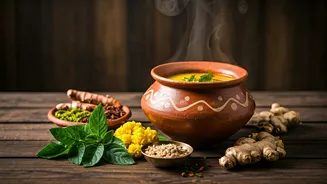
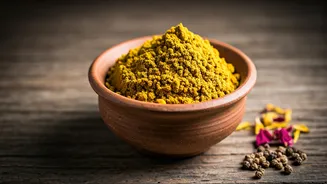
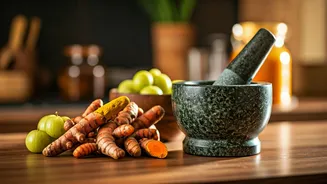
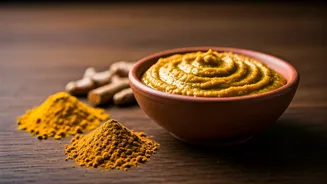
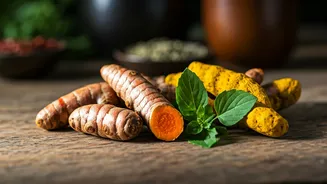
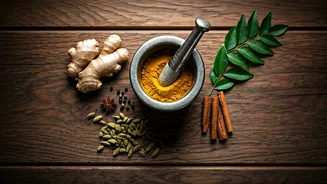
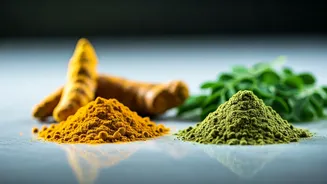
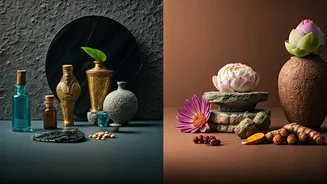
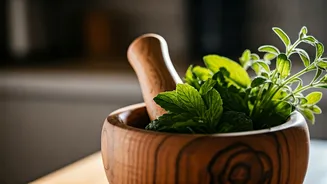
Long before 'beauty from within' became a marketing buzzword, it was a foundational principle of Ayurveda, the ancient Indian system of medicine. Practices that are now trending on social media have been staples in Indian households for millennia. Turmeric, known for its anti-inflammatory properties, wasn't just a spice for curries but a key ingredient in 'ubtan' pastes for brides to achieve a natural glow. Oil pulling with coconut or sesame oil, now touted for oral health, was a daily 'dinacharya' (routine) for detoxification. Ingredients like amla, ashwagandha, and neem weren't isolated 'actives'; they were part of a complete system designed to balance the body, mind, and spirit. Today's wellness gummies and adaptogenic powders are a modern packaging of this 5,000-year-old idea that beauty is a reflection of internal balance.
Egypt’s Rituals of Divinity
When we think of ancient Egypt, the dramatic, kohl-rimmed eyes of Nefertiti and Cleopatra come to mind. But this iconic look was more than just makeup. The black kohl, often made from galena, was believed to have magical properties, warding off the 'evil eye' and protecting the wearer from harsh sun glare and eye infections. Similarly, their love for fragrant oils and perfumes was deeply tied to spirituality; scents were considered the sweat of the gods. Milk and honey baths, famously attributed to Cleopatra, were about nourishing the skin with lactic acid and antibacterial properties. For the Egyptians, beauty rituals were a way to honour their bodies and connect with the divine—a stark contrast to simply covering up imperfections.
The Social Art of Roman Self-Care
For the ancient Romans, self-care was a communal and essential activity. The sprawling public bathhouses were the epicentres of social life, but they were also the spas of their day. The routine involved moving through rooms of varying temperatures, sweating out toxins, and scraping the skin clean with a curved metal tool called a strigil after applying olive oil. It was a ritual of cleansing, relaxation, and socialising. This concept of beauty as a shared, leisurely experience is mirrored in our modern spa culture, from sauna sessions to group manicure appointments. The Roman emphasis on bathing and oiling the body highlights a belief that taking time for oneself wasn't an indulgence, but a necessity for a healthy, functioning citizen.
Why We Crave the Ancient Now
So why this sudden look backwards? In a world of fast-paced technology and synthetic solutions, there's a growing desire for authenticity, nature, and meaning. The stories behind these ancient ingredients connect us to a simpler, more grounded way of life. Using a turmeric mask or practising Gua Sha—a Traditional Chinese Medicine technique using a smooth tool to scrape the skin—is about more than just achieving good skin. It’s about participating in a ritual. It’s a moment of mindfulness in a chaotic day. Brands have caught on, selling not just a product, but the history and ceremony that comes with it. We're not just buying a serum; we're buying a small piece of a timeless tradition.