




An Unprecedented Demand for Air Travel
India is solidifying its position as the world's third-largest domestic aviation market, with forecasts predicting some of the fastest growth globally. Consultancy Oliver Wyman projects the country's commercial fleet will expand by 7.1% annually between
2026 and 2036. This boom is fuelled by a rising middle class with greater disposable income, increased urbanisation, and government initiatives like the UDAN scheme, designed to enhance regional connectivity. Airbus recently raised its forecast for India's domestic air traffic growth to 9.3% annually through 2045, noting the country is emerging as a major source of new passenger demand. This explosive growth means that what was once a luxury is now a necessity for millions, putting immense pressure on airlines to scale up their operations.
Airlines on a Historic Buying Spree
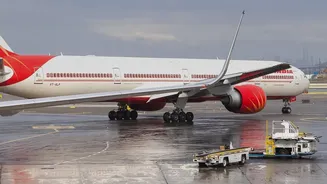
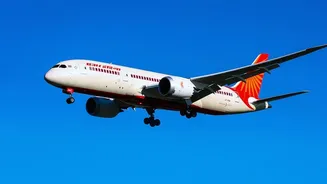
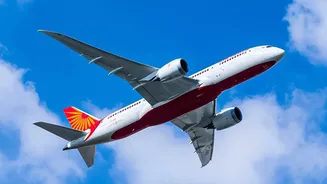
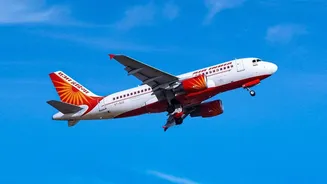
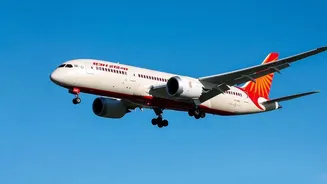
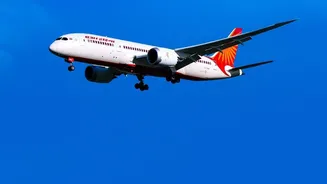
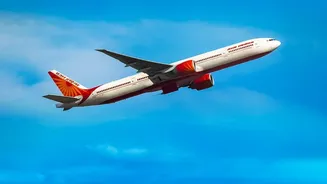
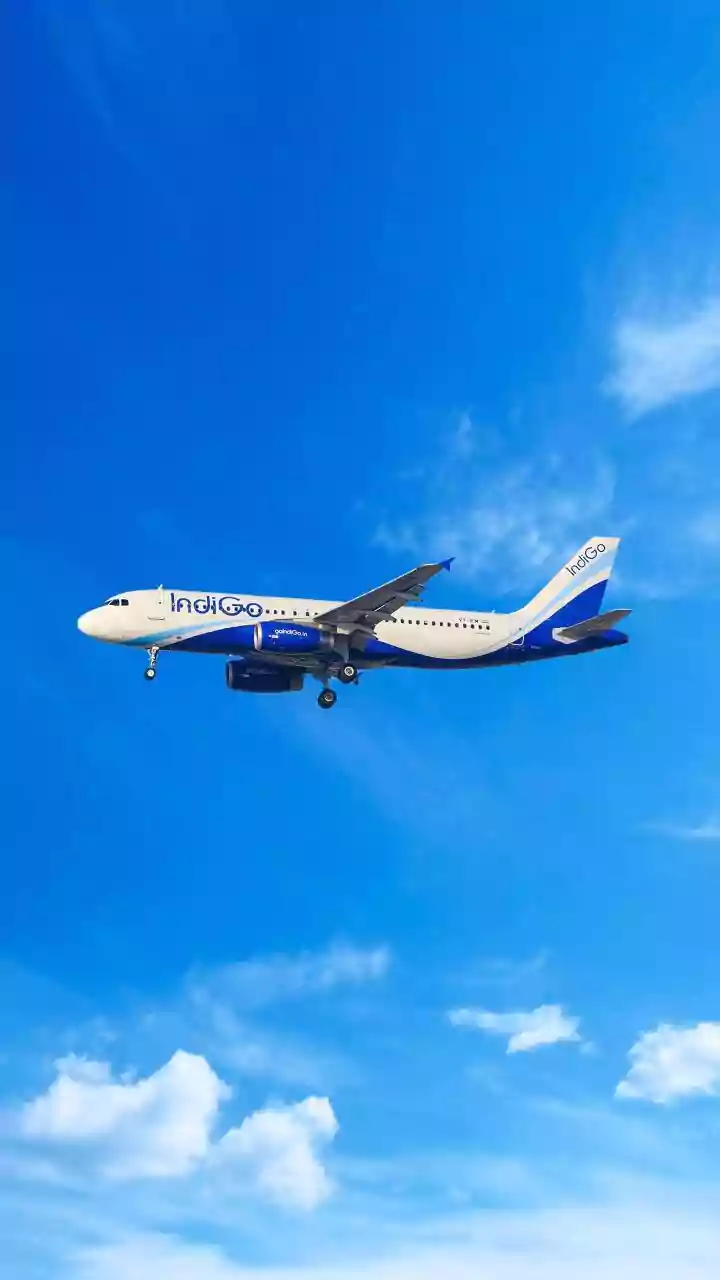
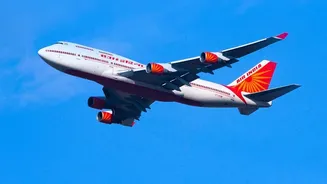
To keep pace, Indian carriers are placing aircraft orders of a scale never seen before. Airlines like IndiGo, Air India, and the newer Akasa Air already have more than 1,200 aircraft on order from global giants Airbus and Boeing. Yet, this is seemingly not enough. In November 2026, Union Minister Piyush Goyal stated that India is preparing to order another 1,000 planes, highlighting an acute shortage and a total requirement that could exceed 2,000 aircraft. These staggering numbers reflect a long-term strategy to capture future growth, with Air India alone having hundreds of jets in its order book, including a mix of single-aisle and widebody models. These deals have made India a critical battleground for Airbus and Boeing, with both manufacturers significantly increasing their component and service procurement from the country.
The Bottleneck Beyond the Backlog
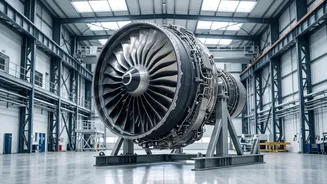
Ordering planes is one thing; getting them delivered is another. A key constraint is shifting from passenger demand to aircraft availability. Global supply chain issues and manufacturing backlogs mean that some planes ordered by Indian carriers are not scheduled for delivery until as late as 2034. This 'acute shortage' is forcing airlines to urge manufacturers to expedite deliveries. Beyond the planes themselves, the industry faces significant operational hurdles. These include a shortage of trained pilots, high taxes on Aviation Turbine Fuel (ATF) that drive up operating costs, and a limited domestic capacity for Maintenance, Repair, and Overhaul (MRO), which forces airlines to rely on foreign services.
Infrastructure: Racing to Catch Up
A larger fleet requires more space to fly and land. Recognising this, India has embarked on an ambitious infrastructure expansion. The government plans to develop 100 new airports over the next decade, focusing on upgrading airstrips in smaller cities and remote regions under the Modified UDAN scheme. This is part of a broader vision to have over 200 operational airports by the mid-2030s and potentially 300 by 2040. Airport operators are also investing heavily, with plans for new terminals, runways, and city-side development to handle the projected influx of passengers and aircraft. The goal is to build capacity before demand overwhelms the existing infrastructure, a race against time that is critical for the sector's sustainable growth.
What Does This Mean for Passengers?
For the average traveller, this massive expansion brings both promise and potential pain. The good news is the likelihood of more flight options, especially to and from smaller towns, and greater international connectivity. However, the path to this future is likely to be turbulent. In the short term, the gap between soaring demand and constrained capacity could lead to high ticket prices and crowded airports. While the government has stepped in to help airlines manage volatile fuel costs, these pressures, combined with infrastructure growing pains and a shortage of pilots and crew, could mean operational disruptions and delays remain a feature of air travel in India before the benefits of a larger, modern fleet are fully realised.