

The Heartbeat of Garba in Gujarat
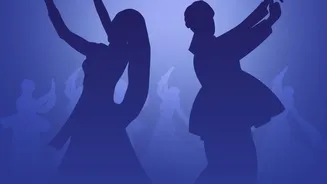
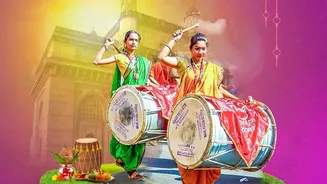
For an experience of pure, unadulterated energy, Gujarat is the undisputed epicentre of Navratri. Celebrations in cities like Ahmedabad, Vadodara, and Surat are defined by Garba and Dandiya Raas, the state's iconic folk dances. As Sharad Navratri begins
on October 11, 2026, massive grounds and community squares will transform into swirling kaleidoscopes of colour. Dancers, dressed in elaborate chaniya cholis and kediyu kurtas, move in concentric circles around a central shrine, their synchronized steps and the rhythmic click of dandiya sticks creating an infectious atmosphere that lasts late into the night. This traditional dance, recently recognised by UNESCO as an Intangible Cultural Heritage, is more than just a performance; it is a joyous, participatory celebration of community and devotion that welcomes everyone to join in. For travellers, it’s a chance to immerse themselves in a high-energy cultural event that is both deeply traditional and incredibly welcoming.
Art and Devotion in Kolkata's Durga Puja
In West Bengal, the festival of Navratri coincides with Durga Puja, the grandest celebration of the year, particularly in Kolkata. The city transforms into a living, breathing art gallery. While the main festival dates run from October 17-21, 2026, the festive spirit is palpable for weeks prior. The highlight is pandal hopping—visiting the thousands of exquisitely crafted temporary pavilions that house idols of Goddess Durga. These pandals are not just places of worship but competitive artistic showcases, with themes ranging from ancient temples to contemporary social issues. The streets are filled with people, food stalls offering delectable Bengali cuisine, and a palpable sense of community spirit. For a visitor, Durga Puja offers a unique blend of spiritual devotion, artistic immersion, and culinary delight, making it one of India's most spectacular cultural experiences.
The Royal Splendour of Mysore Dasara
To witness Navratri with a touch of royal grandeur, head to Mysore in Karnataka. Here, the festival is celebrated as Dasara, a ten-day event with a legacy stretching back to the 17th-century Vijayanagara Empire. The entire city revolves around the celebration, but its heart is the magnificent Mysore Palace, which is illuminated by nearly 100,000 light bulbs every evening. The festivities, running from October 11, 2026, culminate on Vijayadashami, October 21, with the spectacular Jumboo Savari. This grand procession features dance troupes, musicians, and decorated elephants, with the main attraction being the idol of Goddess Chamundeshwari carried in a 750-kilogram golden howdah atop a lead elephant. It’s a regal and historic spectacle that offers a completely different flavour of Navratri celebrations.
Theatrical Traditions in North India
In many parts of North India, including the spiritual city of Varanasi and the national capital Delhi, Navratri is deeply connected to the epic Ramayana. The nine days are marked by Ramlila, a traditional theatrical performance that recounts the life of Lord Rama. These performances, often held in large public grounds, bring communities together each evening to watch the dramatic retelling of Rama's story, his battle with the demon king Ravana, and his ultimate victory. The festival culminates on Dussehra, October 20, 2026, with the burning of colossal effigies of Ravana, his brother Kumbhakarna, and son Meghanada, symbolizing the triumph of good over evil. In Varanasi, the celebrations take on a deeply spiritual tone, with performances along the ancient ghats of the Ganga, offering a more serene but equally powerful experience.
A Unique Gathering of Deities in Kullu
For a truly unique celebration, the Kullu Valley in Himachal Pradesh offers a fascinating twist. Here, the festival, known as Kullu Dussehra, begins on Vijayadashami—the day Navratri ends in most of India—and continues for seven days. It is an internationally renowned festival that sees more than 200 local deities from surrounding villages brought to the Dhalpur ground in ornate palanquins. They assemble to pay homage to Lord Raghunath, the principal deity of the valley. This grand congregation of gods is accompanied by folk music, dancing, and a vibrant fair, creating a festive atmosphere against the stunning backdrop of the Himalayas. The event, which traces its origins to the 17th century, is a captivating display of local faith, culture, and tradition, attracting visitors from around the world.