


The Rise of One-Pan Meals
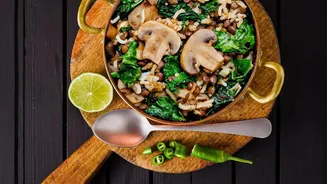
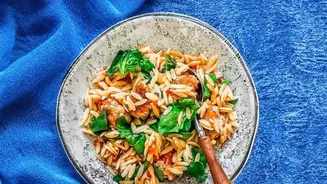
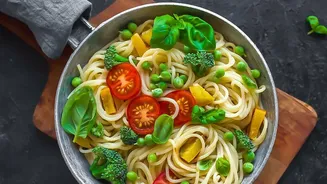
The solution gaining immense popularity in kitchens everywhere is the one-pan meal. This approach, which includes both sheet-pan dinners roasted in the oven and one-pot recipes simmered on the stove, is exactly what it sounds like: a complete meal where all
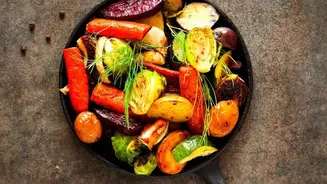
the ingredients cook together in a single vessel. Instead of juggling multiple pots and pans for your protein, vegetables, and starches, everything from chicken and potatoes to salmon and asparagus roasts side-by-side. This method streamlines the entire cooking process, making it a go-to for busy families and anyone looking to reclaim their evenings from kitchen chores.
How It Saves Precious Time
The time-saving benefits begin long before you start washing dishes. With a one-pan meal, prep is consolidated. You chop your vegetables and protein, toss them with oil and seasonings, and arrange them on the pan. Once it's in the oven, the cooking is largely hands-off, freeing you up to do other things. There’s no need to stand over multiple burners, stirring one pot while sautéing in another. This efficiency is a game-changer on busy weeknights when every minute counts. A complete, satisfying dinner can come together with very little active cooking time, moving smoothly from prep to plate.
The Magic of Minimal Cleanup
Perhaps the most celebrated benefit of one-pan cooking is the revolutionary impact it has on cleanup. When your entire meal is cooked on a single sheet pan or in one pot, the mountain of dirty dishes simply disappears. For sheet-pan meals, using a liner like parchment paper or aluminum foil takes this a step further, often leaving you with virtually no scrubbing to do at all. This simple trick means that after enjoying a wholesome, home-cooked meal, you won't have to spend the rest of your evening at the sink. This removal of friction is what makes the habit of cooking at home sustainable day after day.
More Flavor, Better Nutrition
Beyond convenience, cooking ingredients together allows their flavors to meld and deepen in a way that separate cooking methods can't match. As proteins and vegetables roast, their juices mingle, creating a richer, more cohesive dish. Furthermore, this method can help retain more nutrients. Since you're not boiling vegetables in water and then draining it away, more vitamins and minerals stay in the food you eat. It also provides an easy opportunity to pack more vegetables into your meals, boosting the overall nutritional value.
Tips for Perfect One-Pan Dinners
To ensure success, a few key principles apply. First, don't overcrowd the pan; give your ingredients space to roast rather than steam. Second, consider the different cooking times of your ingredients. Hearty root vegetables like potatoes and carrots need a head start, so put them in the oven for 10-15 minutes before adding quicker-cooking items like fish, shrimp, or asparagus. Cut ingredients into uniform sizes for even cooking. Finally, use a proper rimmed baking sheet, which will prevent juices from spilling into your oven. With these tips, you can create balanced, delicious, and effortless meals any night of the week.