

The Foundation: Nailing the Perfect Fit
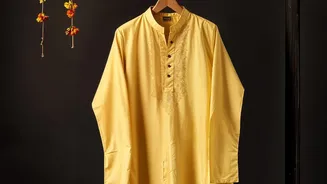
Before considering fabric or colour, the most crucial element of a great kurta is the fit. A well-fitting kurta flatters your frame, while a poorly fitting one can look awkward regardless of how beautiful the material is. Start with the shoulders; the seams
should sit directly on your shoulder edge, not hanging off or pulling inward. The chest and bust area should be comfortable, allowing free movement without being baggy. For kurta length, this is a matter of personal preference and body type, but a straight-cut kurta typically looks best when it ends around the mid-calf, creating an elongated silhouette. Finally, ensure the armholes are not restrictive, allowing you to move your arms freely. A perfectly tailored kurta is a better investment than an expensive one that doesn't fit right.
Fabric Is Everything
The fabric of your kurta dictates its comfort, look, and occasion-appropriateness. For India's varied climate, natural, breathable fabrics are your best friend. Cotton is the undisputed champion for daily and summer wear due to its breathability and softness. Linen is another excellent summer choice, offering a crisp, sophisticated look, though its tendency to wrinkle is part of its natural charm. For festive occasions, weddings, and formal events, silk is the go-to for its luxurious sheen and beautiful drape. Rayon offers a silk-like flow and feel at a more affordable price point, making it great for casual and semi-formal wear. In winter, especially in North India, you can opt for heavier silks, wool blends, or even velvet for added warmth and a regal appearance.
The Art of Pairing Bottoms
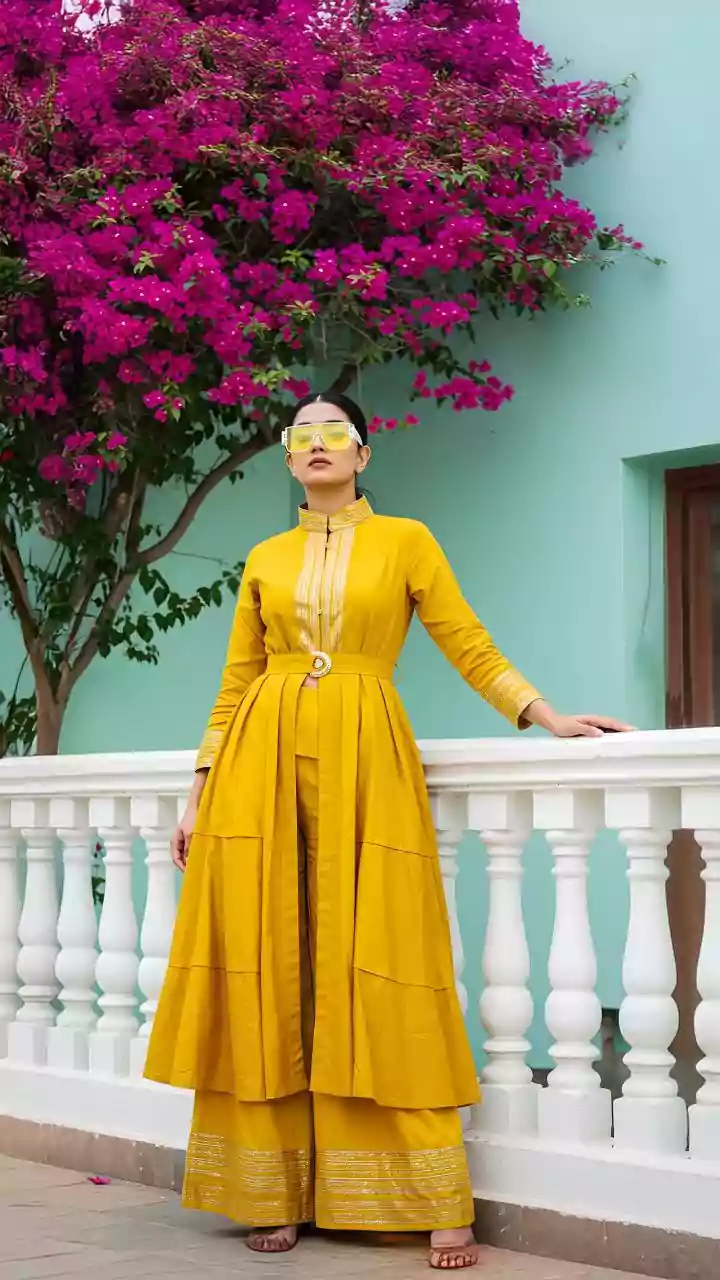
The bottom you choose can completely change the character of your kurta. For a timeless, classic look, churidars are a foolproof option that pair well with nearly any kurta length. Straight pants or cigarette pants offer a sharp, modern, and professional silhouette, making them ideal for office wear. Palazzos, with their wide and airy fit, bring a sense of relaxed elegance and are perfect for pairing with shorter or straight-cut kurtas, especially in summer. For a more festive or traditional vibe, consider shararas, ghararas, or even a long skirt, which add volume and flair to your ensemble. And for a truly contemporary fusion look, a straight-cut kurta paired with well-fitting jeans is an effortlessly chic combination.
A Masterclass in Colour Combinations
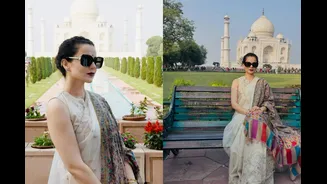
Colour pairing can make or break your outfit. A simple rule is to let one colour dominate and use others as accents. Neutral kurtas in white, beige, black, or ivory are incredibly versatile, as they can be paired with almost any coloured dupatta or bottom for a striking look. Classic contrast pairings like navy blue with orange, maroon with mustard, or pink with green are timeless choices for festive occasions. For a sophisticated and elongated effect, a monochromatic look—pairing a kurta with a bottom in the same colour family—is a powerful statement. When working with a printed kurta, a simple trick is to pick a minor colour from the print for your bottom or dupatta to create a cohesive, put-together outfit.
Finishing Touches: Accessories and Footwear
Accessories are what truly personalize your kurta set. The key is to match them to the occasion. For daily wear or office settings, minimal jewellery like small stud earrings, a simple chain, or a watch works best. For festive events, don't be afraid to bring out statement pieces like jhumkas, chandbalis, or a bold choker, but remember to let one piece be the hero. Your choice of footwear is equally important. Juttis and Kolhapuris add an authentic ethnic touch perfect for most occasions. For a more formal or professional look, opt for block heels or elegant flats. A clutch or potli bag is ideal for weddings and parties, while a structured tote bag completes a polished office look.