




The Power Inside the Peel
Before you start scattering peels, it’s helpful to know why they’re beneficial. Banana peels are most famous in the gardening world for their potassium content. Potassium is a vital macronutrient for plants, often called the 'quality' nutrient. It plays
a crucial role in nearly every aspect of plant health, from regulating water uptake and improving drought resistance to encouraging strong flower and fruit development. This is why plants like tomatoes, peppers, and especially roses are said to love them. But that's not all. Peels also contain smaller amounts of other essential minerals. You’ll find calcium, which helps build strong cell walls and protects plants from diseases, as well as magnesium, a key component of chlorophyll essential for photosynthesis. They also provide traces of manganese and sodium. Think of a banana peel not as a complete meal for your plant, but as a fantastic vitamin supplement that supports overall vigour.
Why Drying is the Best Method
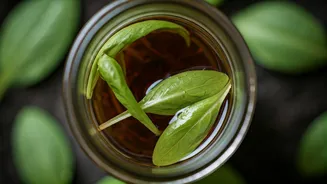
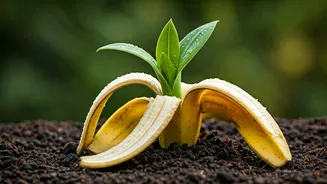
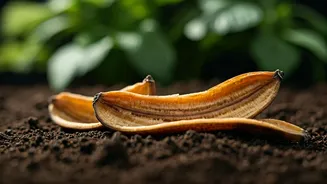
You might have heard of making 'banana tea' or just chopping up fresh peels and burying them. While those methods can work, drying the peels first offers several distinct advantages. Tossing a whole, fresh peel on the soil surface is not ideal; it can attract pests like fruit flies, fungus gnats, and even rodents. It also gets slimy and can develop mould as it decomposes.
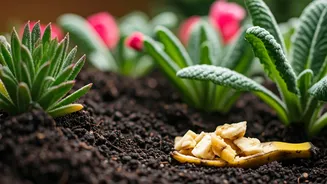
Drying the peels concentrates the nutrients and makes them incredibly easy to store without any smell or mess. Once dried, they can be crushed or ground into a powder. This form is much easier to incorporate into the soil, where it can break down more efficiently. A dried peel is less of an invitation to pests and more of a slow-release granular fertilizer that your soil's microorganisms can get to work on.
From Kitchen Scrap to Garden Gold
The process of preparing dried banana peels is incredibly simple. You have a few options:
1. Air-Drying: Cut the peels into small, thin strips and lay them on a plate or drying rack. Leave them in a sunny, dry spot for a few days until they become brittle and dark. This is the most energy-efficient method.
2. Oven-Drying: For a quicker result, place the peel strips on a baking sheet. Bake at the lowest possible temperature (usually around 60-80°C) for an hour or two until they are completely dry and crispy. Be careful not to burn them.
3. Dehydrator: If you own a food dehydrator, this is the perfect job for it. Follow your machine’s instructions for drying fruit.
Once the peels are bone-dry, you can crush them by hand, put them in a bag and roll over it with a rolling pin, or blitz them in a blender or coffee grinder for a fine powder. Store your finished product in an airtight jar.
How to Apply It in Your Garden
Now for the fun part. The headline suggests a weekly application, but since dried peels act as a slow-release fertilizer, a weekly schedule might be more work than necessary. Applying them once every 3-4 weeks during the growing season is a more practical approach.
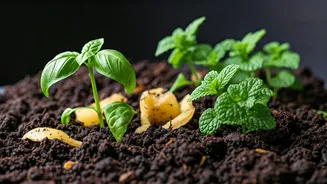
There are two main ways to use your dried peel powder. The first is as a top dressing. Simply sprinkle about a tablespoon or two around the base of each plant, gently scratching it into the top inch of soil with a fork or your fingers. This allows soil microbes to begin breaking it down. The second method is to mix it into your soil blend when potting new plants or transplanting seedlings. Add a few tablespoons per pot to give your plants a nutrient reserve to draw from as they grow.
Managing Expectations: A Supplement, Not a Cure
It's important to be realistic about what banana peels can achieve. While they are a great source of potassium, they are notably low in nitrogen, the nutrient responsible for lush, green leafy growth. If you only use banana peels, your plants might struggle to produce healthy foliage.
Therefore, you shouldn't think of banana peels as a replacement for a balanced fertilizer or rich compost. Instead, view them as a valuable supplement to your existing feeding routine. They work best as part of a holistic approach to soil health. Using them in conjunction with compost, well-rotted manure, or a balanced all-purpose organic fertilizer will ensure your plants receive the full spectrum of nutrients they need to truly thrive. They are an excellent, eco-friendly boost, but not a magic bullet.