





What is a Mixed-Service Model?
At its core, a mixed-service model involves developing infrastructure that intentionally serves both tourists and local residents. Think of a new rail line, an expanded bus network, or even a regional ferry service. Instead of being built exclusively
to shuttle tourists from an airport to a famous landmark, this infrastructure is planned from the start to integrate into the local community’s daily life. It’s the difference between a standalone “tourist express” and a public transit system that also happens to conveniently connect to attractions. This approach requires integrated planning between transport authorities, tourism boards, and local governments to ensure that the needs of all users are met. The goal is to create a single, efficient system that boosts the visitor economy while also enhancing the quality of life for the people who live there year-round.
Spreading the Wealth Beyond Tourist Hotspots
One of the most significant benefits of a mixed-service approach is its potential to combat over-tourism. When reliable and affordable transport links are created to lesser-known areas, it naturally encourages visitors to explore beyond the usual crowded 'honeypot' sites. For example, a train service designed to connect a major city with a popular pilgrimage site can also include stops in smaller towns along the way, opening them up to new visitor economies. This dispersal of tourists helps distribute revenue more evenly, supporting small businesses and creating jobs in communities that were previously bypassed by the tourism boom. By making it easier for travellers to visit alternative destinations, the pressure on overburdened hotspots is reduced, leading to a more sustainable and balanced tourism industry.
A Lifeline for Local Communities
While dispersing tourists is a major advantage, the real strength of a mixed-service model lies in its benefits for residents. Often, the financial case for a new transport project is built on tourist demand, but the resulting service becomes a vital artery for the local population. This improved connectivity can mean easier and more affordable access to jobs in neighbouring towns, better links to healthcare and educational institutions, and a greater sense of connection to the wider region. It prevents the development of a two-tiered system where premium, tourist-focused transport exists alongside underfunded local services. Instead, everyone shares and benefits from a single, robust network, which can strengthen community bonds and improve overall public mobility.
The Indian Context: Progress and Potential
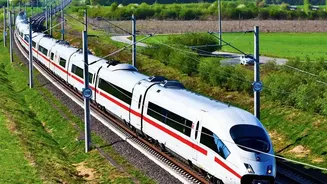
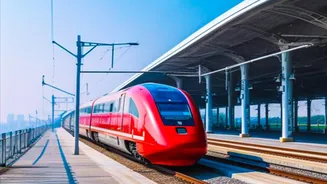
India has already seen examples of infrastructure projects that function as mixed services, even if not explicitly labelled as such. The Vande Bharat Express network is a prime example. These trains were designed to offer faster, more comfortable journeys between major cultural, spiritual, and economic hubs, directly boosting tourism. At the same time, by connecting 274 districts, they have become a preferred mode of transport for daily commuters, business travellers, and families, enhancing regional connectivity for millions. The Bengaluru-Hyderabad service, for instance, is heavily used by IT professionals, while the routes to destinations like Varanasi and Shri Mata Vaishno Devi Katra have been a boon for both pilgrims and local economies. These successes show the immense potential for intentionally applying a mixed-service philosophy to future infrastructure projects, from new airports in Tier-2 cities to last-mile ropeway and ferry systems.
Navigating the Inevitable Challenges
Despite the clear benefits, implementing a mixed-service system is not without its hurdles. One of the primary challenges is balancing the often-conflicting needs of tourists and residents. This can manifest in scheduling conflicts—such as peak commuter times clashing with tourist travel patterns—or debates over fare structures. Furthermore, these large-scale projects require significant upfront investment and complex coordination between various government departments and private sector partners. There is also a risk that improved access could lead to gentrification or place new strains on the infrastructure of smaller towns if not managed carefully. Successful implementation depends on proactive planning, robust funding models, and a genuine commitment to ensuring the system serves the community first.