

More Awe, Less Strain
The phrase 'winter trek' can be intimidating, conjuring images of expert mountaineers battling harsh elements. In reality, a growing number of Himalayan trails are classified as 'beginner-friendly', striking a perfect balance between adventure and accessibility.
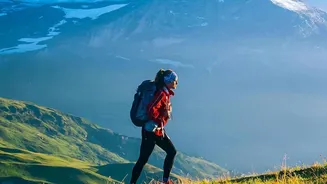
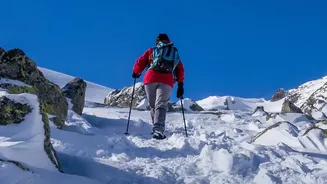
These treks are not merely walks in the cold; they are curated experiences on well-defined trails that typically last 4-6 days and stay below a challenging altitude of 12,500 feet. This managed approach significantly reduces the risks associated with extreme high-altitude trekking and severe weather, making the adventure achievable for those with a basic level of fitness. The 'easy-to-moderate' rating means you don't need prior trekking experience, just a healthy dose of enthusiasm and a bit of preparation. The physical demand is real—you'll be walking on snow and uneven terrain—but it's a challenge that a reasonably active person can meet.
A World Transformed by Snow
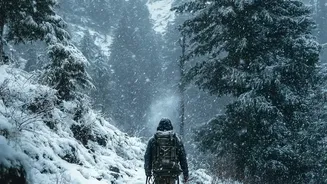
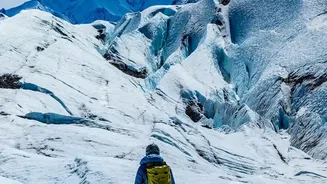
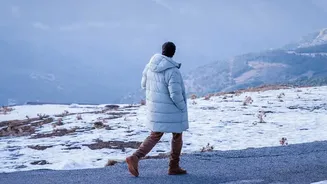
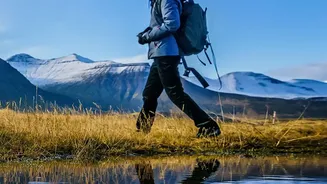
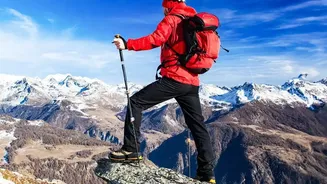
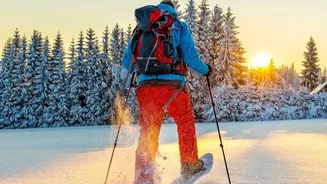
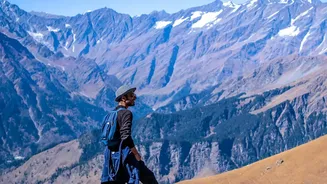
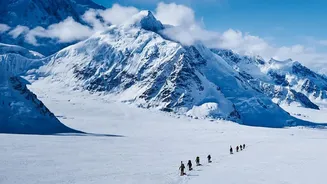
The 'high adventure value' of these treks comes from the sheer transformation of the landscape. Familiar summer trails disappear under a thick blanket of pristine snow, forests of oak and pine become silent, frosted wonderlands, and alpine lakes freeze over to create glassy, mirror-like surfaces. Treks like Brahmatal in Uttarakhand are famous for this exact reason; they offer a Narnia-like world that feels remote and utterly magical. The adventure isn't just in the physical act of walking but in immersing yourself in this changed environment. You'll hear the satisfying crunch of fresh snow under your boots, witness panoramic views of towering peaks like Mt. Trishul and Mt. Nanda Ghunti against a crisp blue sky, and camp in serene meadows blanketed in white. These experiences, once thought to be reserved for the most hardcore adventurers, are the core offering of a beginner winter trek.
Gateway Summits for Beginners
To understand what makes these treks special, consider two of India’s most popular winter routes: Kedarkantha and Brahmatal. Kedarkantha, often called the queen of winter treks, is renowned for being one of the best summit climbs for novices. The trail is gradual, winding through dense forests before opening up to its base camp. The summit day is challenging but rewarding, offering a stunning 360-degree sunrise view of Himalayan giants like the Swargarohini and Bandarpoonch ranges. Similarly, the Brahmatal trek is prized for its accessibility and incredible scenery, including two frozen alpine lakes, Bekaltal and Brahmatal itself. The route takes you through fairytale-like rhododendron and oak forests and across vast alpine meadows, all while keeping dramatic peaks in constant view. Both treks are typically completed in under a week and reach a maximum altitude of around 12,500 feet, making them ideal introductions to the thrill of Himalayan trekking.
Getting Ready for the Adventure
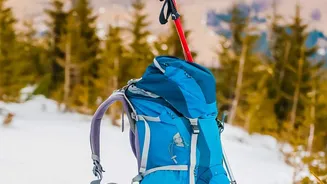
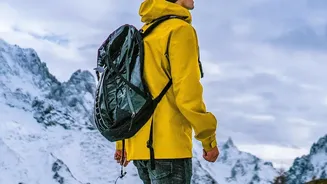
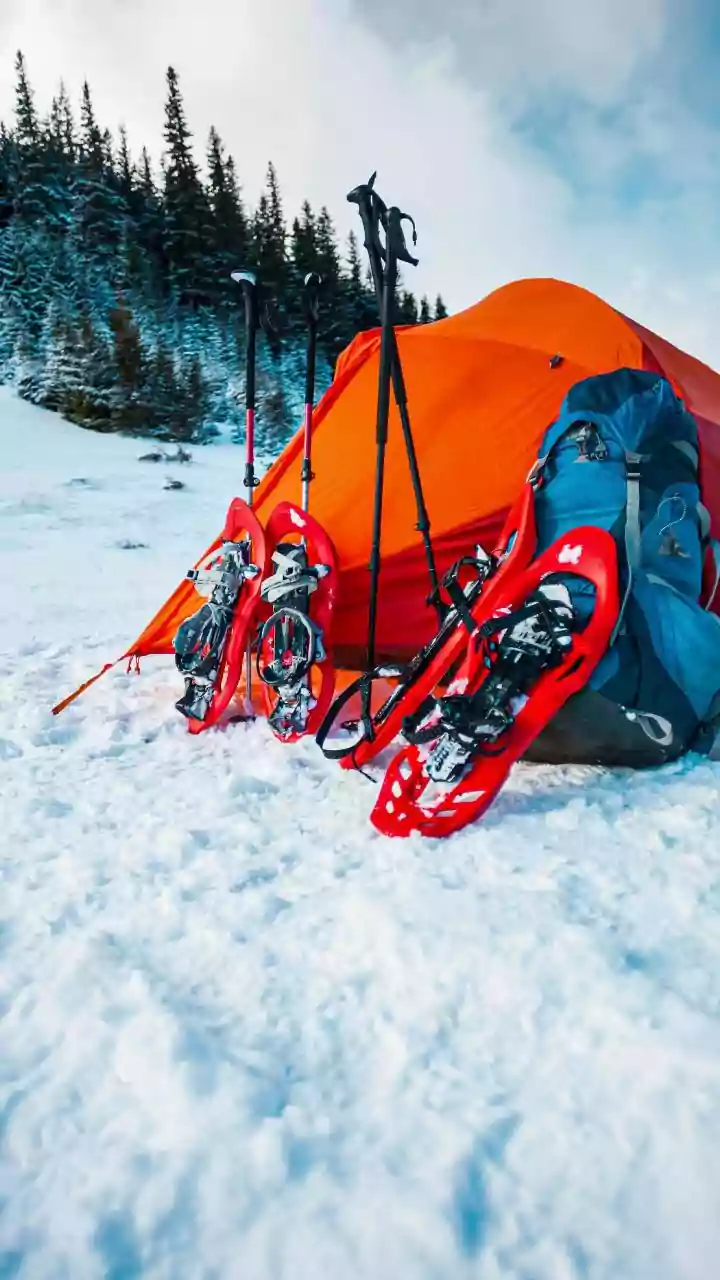
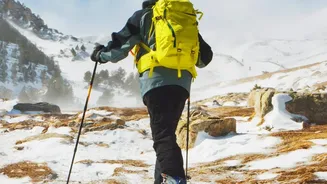
While you don't need to be an elite athlete, preparation is key to enjoyment. Fitness for a beginner trek focuses on building cardiovascular endurance. Activities like jogging, cycling, or even consistently walking for 30-45 minutes a day for a month beforehand can make a significant difference. The goal is to prepare your body for walking several hours a day with a light backpack. Equally important is your gear. The secret to staying warm is layering: a moisture-wicking base layer, an insulating fleece mid-layer, and a waterproof and windproof outer shell. Good quality, waterproof trekking shoes with high ankle support are non-negotiable, as are warm woollen socks to prevent your feet from getting cold and wet. Other essentials like UV-protection sunglasses, sunscreen, and a trekking pole for stability on snow will make your experience safer and more comfortable.