

The Kitchen Chemistry You Never Signed Up For
Aluminium foil is a kitchen workhorse, but it has a key vulnerability: acid. When aluminium comes into contact with acidic ingredients—think tomatoes, citrus fruits like lemons, vinegar, and even some spicy curries—a chemical reaction occurs. This reaction can
cause the foil to corrode and break down, leaving behind tiny, dark spots or holes. Essentially, the acid causes small particles of the metal to leach from the foil into your food. Salty foods can also accelerate this process, making marinades that contain both acid and salt particularly problematic. It’s a slow-motion science experiment happening right in your refrigerator.
What Foods Are The Main Culprits?
The list of acidic foods is longer than you might think. While tomato-based sauces are the most well-known offenders, you should also be cautious with other common kitchen staples. Any dish containing significant amounts of lemon or lime juice, vinegar-based dressings, or wine reductions should not be stored in direct contact with foil. Other culprits include pickles, certain fruits like rhubarb and apples, and even some leafy greens like spinach. Basically, if a food is tart or tangy, it's a good idea to keep it separated from aluminium foil for long-term storage.
From Foil to Food: Is It Dangerous?
The word "leaching" can sound alarming, but it's important to keep the risk in perspective. Aluminium is one of the most abundant metals on earth and is naturally present in small amounts in many foods, from tea leaves to vegetables. Health authorities generally consider the small amount of aluminium ingested from occasional foil use to be safe for healthy individuals, as your kidneys are efficient at filtering it out. However, studies show that cooking or storing acidic foods in foil can significantly increase the amount of aluminium in your meal. While there is no definitive link between using foil and an increased risk of disease in the general population, experts advise minimizing unnecessary exposure, especially for those with kidney issues who cannot eliminate the metal as effectively. Long-term, excessive intake may contribute to other health concerns, so it's wise to be cautious.
Trust Your Taste Buds
Beyond the health debate, there is a more immediate and noticeable consequence: the change in taste. The headline is right to point this out. The metallic flavour you detect in leftovers stored in foil is a direct result of the chemical reaction. The leached aluminium particles impart that distinct, off-putting bitterness or metallic tang. This not only makes your food less enjoyable but is a clear sensory signal that the foil is reacting with your meal. This reaction can also affect the food's appearance, sometimes causing discoloration.
Smarter Storage Solutions for Better Leftovers
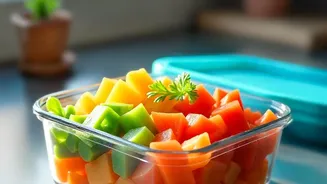
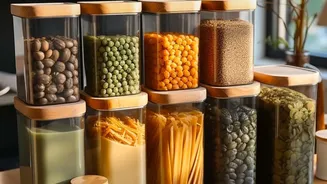
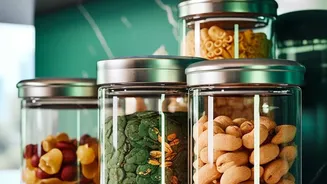
The good news is that this is an easy problem to solve. Aluminium foil is still great for short-term covering of non-acidic foods or for cooking where it doesn't touch the food directly, but for storing acidic leftovers, better options exist. Glass containers with airtight lids are the gold standard; glass is non-reactive, so it won't leach anything into your food or affect its taste. Ceramic dishes and high-quality stainless steel containers are also excellent, safe alternatives. If you must use foil to cover a bowl of acidic food, a simple trick is to first place a layer of parchment or wax paper between the food and the foil to act as a barrier. This prevents direct contact and stops the chemical reaction before it starts.