




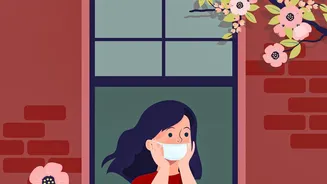
The Double-Edged Sword of Digital Learning
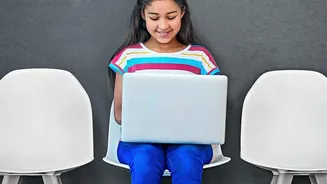
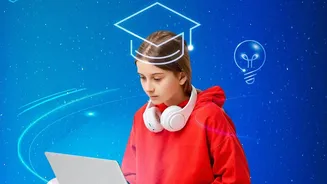
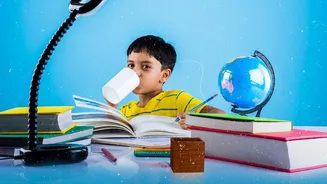
When schools first shifted online, it was seen as a temporary solution. Now, it's a recurring feature of urban life, sometimes prompted by health crises or, in Delhi's case, severe air pollution. This has turned homes into 24/7 classrooms, blurring the
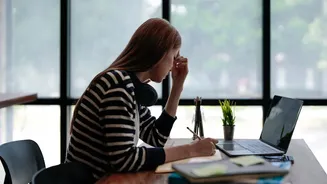
lines between school and personal life. While digital tools offered educational continuity, they also introduced new stressors. A study by Delhi's own planning department found that 50% of students felt 'irritated and frustrated' with online classes. The format demands high levels of self-discipline and sustained focus, which can be challenging for young, developing minds, often leading to mental fatigue and heightened stress.
The Social Disconnect
Schools are more than academic institutions; they are crucial social ecosystems. They are where children learn to negotiate, cooperate, share, and manage friendships. Prolonged periods indoors, away from peers, have created a social void. The unstructured playtime, hallway chatter, and shared lunches that are vital for developing emotional intelligence have been drastically reduced. Experts note that this isolation is a significant factor in children feeling lonely and anxious. A study reviewing the impact of lockdowns highlighted that this interruption of peer-oriented socialisation has had lasting effects on social-emotional development.
From Playground to Screen: A Physical Halt
The mandate to stay indoors, whether due to pandemics or pollution, has led to a sharp decline in physical activity. Children, full of energy, have been confined to apartments, with screens often becoming their primary source of recreation. This sedentary lifestyle is linked not just to physical health issues like obesity and poor posture, but also to mental well-being. Physical play is a natural stress-reliever for children. Its absence means that the pent-up energy and anxiety have no healthy outlet, which can manifest as irritability, disturbed sleep, and other behavioural changes observed by parents.
The Pressure Cooker Environment
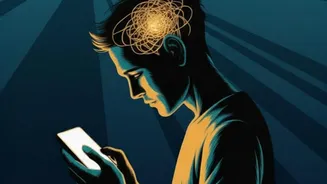
In a dense city like Delhi, many families live in apartments with limited space. When home also becomes the school and playground, it can create a 'pressure cooker' environment. There's no physical separation to signal to a child's brain that the school day is over and it's time to relax. This constant overlap can be draining. Furthermore, a UNICEF health specialist noted that when children are stuck indoors, they often turn to screens for entertainment, creating a cycle of dependency. The pursuit of online validation through likes and shares can then become another source of anxiety.
Recognising the Warning Signs in Children
Anxiety in children doesn't always look like adult anxiety. Parents should watch for subtle shifts in behaviour. These can include increased irritability or anger over minor issues, changes in eating or sleeping patterns, frequent headaches or stomach aches, and a new reluctance to engage in previously enjoyed activities. Some children may become more withdrawn and quiet, while others might exhibit more externalising behaviours like aggression. A key indicator noted by experts is a loss of interest in play or a change in play habits. Recognizing these signs early is the first step toward providing support.
What Parents Can Do to Help
While the challenges are significant, parents are not helpless. Establishing a clear routine is crucial to create structure and predictability, which can be calming for an anxious child. This includes setting specific times for learning, play, and rest. Designating a dedicated, quiet space for online classes can also help create a boundary between 'school' and 'home'. Experts strongly advise balancing screen time with other activities, especially physical ones, even if it's just a family walk or games at home. Most importantly, fostering open communication is key. Parents should actively listen to their children's worries without judgment, reassuring them that their feelings are valid and that support is available.