






The Building Blocks of Everything
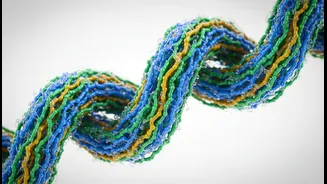
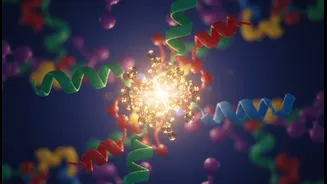
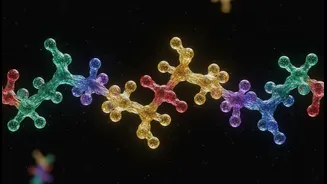
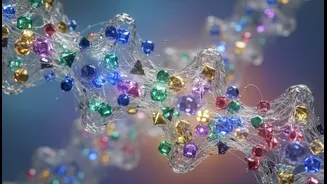
Let's start with the basics. Proteins are essential for almost everything your body does, from building and repairing muscle tissue to creating hormones and supporting your immune system. But proteins themselves are made of smaller compounds called amino
acids. Think of them as individual Lego bricks that your body uses to construct thousands of different, complex structures. There are 20 different amino acids, but they fall into two main camps: non-essential and essential. Your body can produce the 11 non-essential amino acids on its own. The other nine, however, are called 'essential' for a reason: you must get them from the food you eat. These include well-known names like leucine, tryptophan, and lysine, each with critical jobs, from stimulating muscle growth to influencing your mood and sleep.
The Journey From Plate to Cell
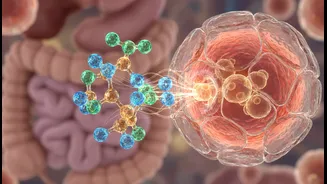
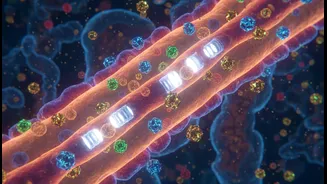
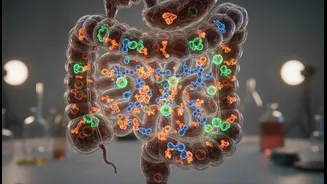
Here’s where the conversation gets interesting. When you eat a protein-rich food like chicken, paneer, or dal, your body doesn't just absorb the protein whole. The digestive process has to first break that protein down into its individual amino acids. This process starts with chewing and continues in the stomach and small intestine with the help of acids and enzymes. Only after being broken down can these amino acids be absorbed through the intestinal lining and enter the bloodstream, which then transports them to your muscles, organs, and other tissues to be used for repair and growth. This entire journey is what we mean by 'absorption'. It’s the critical, often overlooked, step between eating protein and actually benefiting from it. Just because you consume 30 grams of protein doesn't mean your body can access and use all 30 grams.
Why Not All Protein Is Equal
The efficiency of amino acid absorption depends on several factors. The source of the protein is a major one. Animal-based proteins like meat, eggs, and dairy are considered 'complete' proteins because they contain all nine essential amino acids in sufficient amounts. Many plant-based proteins, like beans and grains, are 'incomplete', meaning they lack one or more essential amino acids. However, by combining different plant sources—like rice and dal—you can create a complete protein profile. Furthermore, your body's overall health plays a huge role. Gut health is paramount; a healthy gut lining absorbs nutrients more efficiently. Things like chronic stress, certain illnesses, and even your age can impact how well your body breaks down and absorbs these vital nutrients. Even how you prepare your food, such as cooking with lower heat or soaking legumes, can improve protein digestibility.
The Rise of Amino Acid Supplements
This focus on absorption has fuelled a debate: whole foods versus supplements. On one side, you have traditional protein sources. They provide not just amino acids, but also fibre, vitamins, minerals, and other compounds that work together in the body. On the other side are essential amino acid (EAA) or branched-chain amino acid (BCAA) supplements. These deliver amino acids in a 'free-form', meaning they don't need to be broken down and are absorbed very rapidly. This makes them a popular choice for athletes to take around workouts to kickstart muscle recovery quickly. The argument for supplements is precision and speed. You get a concentrated dose of the most important amino acids right when your muscles need them. However, most experts agree they are a tool, not a replacement for a balanced diet.
Making Absorption Work For You
So, how can you apply this knowledge? First, focus on diet quality. Aim for a variety of protein sources to ensure you’re getting all the essential amino acids, especially if you follow a vegetarian or vegan diet. Pairing foods like beans with rice or roti with dal is a traditionally smart way to accomplish this. Second, support your digestive health. Eating probiotic-rich foods like yogurt and fermented vegetables can promote a healthy gut. Chewing your food thoroughly and managing stress can also improve digestion. Finally, consider timing. Consuming a protein-rich meal with some carbohydrates after a workout can help your muscles absorb the amino acids more effectively as insulin levels rise. For those with specific goals, like athletes or older adults concerned about muscle loss, targeted EAA supplementation could be a useful addition, but it complements rather than replaces a foundation of whole foods.