




More Than Just Coffee
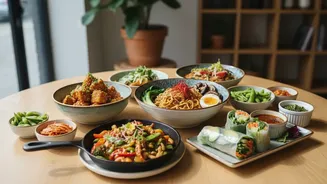
The Indian café is no longer just a place for a quick cappuccino and a slice of banana bread. It has transformed into a culinary destination where diners explore innovative dishes. This evolution is driven by a new generation of chefs and consumers who
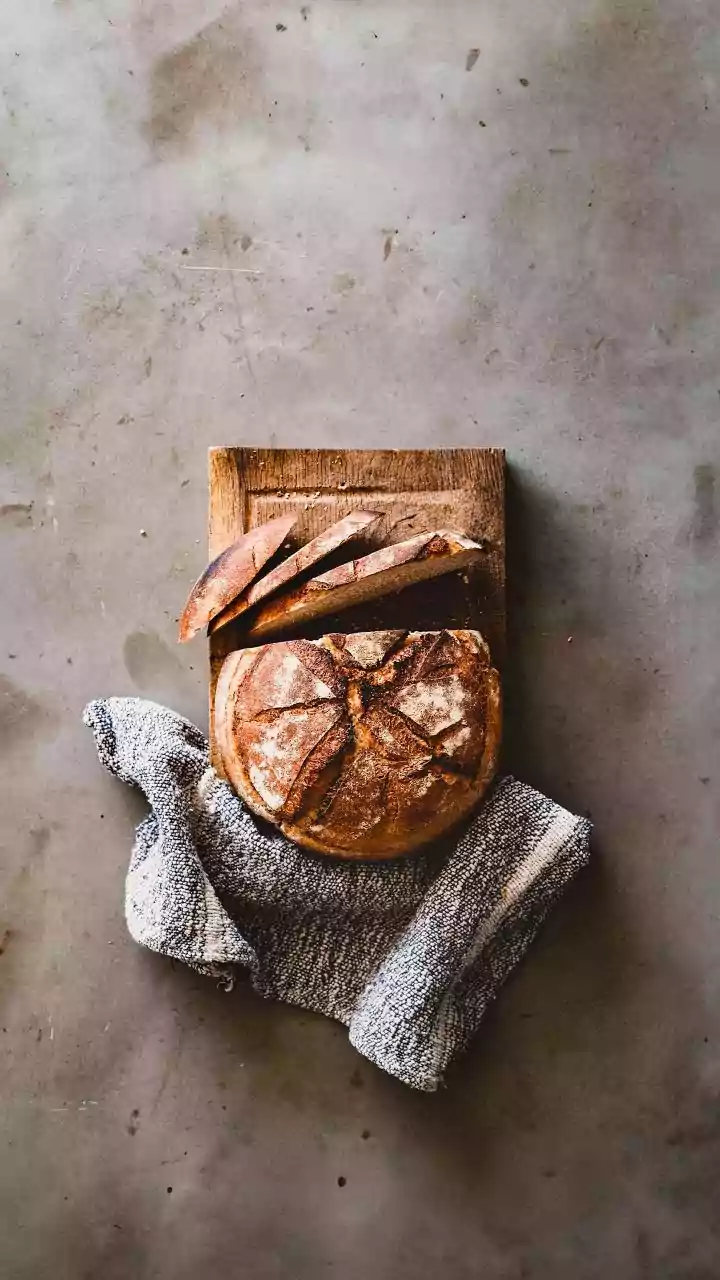
are globally aware, health-conscious, and increasingly proud of India's vast agricultural heritage. They are looking for experiences that feel both modern and authentic. The result is a menu that tells a story of a confident, contemporary India—one that comfortably pairs a sourdough toast with a side of regional jamun chutney.
The Great Millet Makeover
Perhaps the most significant trend is the resurgence of ancient grains, especially millets. Once considered humble, traditional staples, millets like ragi (finger millet), jowar (sorghum), and bajra (pearl millet) are now stars of the modern café menu. Driven by a nationwide push for healthier eating, chefs are substituting refined flours with these nutrient-packed alternatives. You can now find ragi pancakes drizzled with maple syrup, quinoa upma served as an all-day breakfast, and even ragi momos, offering a healthier twist on a street-food classic. Cafés like Greenr and Café Lota in Delhi are championing millet-based menus that are both delicious and mindful.
Jackfruit: The People’s Plant-Based Meat
Long a staple in South Indian and coastal kitchens, raw jackfruit has found a new identity in urban cafés as a surprisingly effective meat substitute. Its fibrous texture makes it perfect for mimicking pulled pork or shredded chicken. This has led to a wave of creative, plant-forward dishes that appeal to both vegetarians and meat-eaters. Think of smoky jackfruit sliders in a brioche bun, raw banana and jackfruit shawarmas wrapped in ragi tortillas, or even tacos filled with spiced jackfruit. This trend cleverly adapts a global demand for plant-based options using a familiar, locally sourced ingredient.
The Artisanal Coffee Revolution
India's coffee culture has matured rapidly, moving beyond generic blends to celebrate its own homegrown beans. A movement of specialty coffee roasters like Blue Tokai, Third Wave Coffee, and KC Roasters has brought single-origin Indian coffees from estates in Coorg, Chikmagalur, and the Araku Valley into the spotlight. Cafés now proudly display the origin and flavour notes—citrus, chocolate, or nutty—of their brews. This focus on provenance is paired with creative infusions. Global trends like cold brews and nitro coffees are being given a distinctively Indian touch with local spices like cardamom, cinnamon, and even a hint of chilli.
Fermented, Foraged, and Fearless
At the cutting edge, chefs are exploring fermentation and foraging to create truly unique flavours. While the global craze for kombucha is well-established, Indian cafés are brewing their own with local fruits like jamun and kokum. Inspired by global techniques but grounded in Indian tradition, some chefs are using ancient preservation methods to create everything from miso with local grains to pickles with foraged greens like fiddlehead ferns. This ingredient-first approach, championed by restaurants like Masque in Mumbai and Naar in Himachal Pradesh, is trickling down to the café level, introducing diners to the incredible biodiversity of India's regions.