




Understanding the Fasting Rules
On Janmashtami, devotees typically observe one of two fasts: the 'Nirjala' vrat, which involves abstaining from both food and water, or the more common 'Phalahari' vrat. The Phalahari fast permits the consumption of fruits, milk products, and a specific
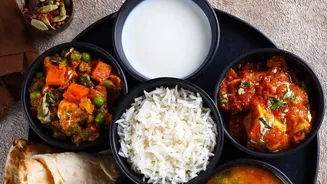
list of non-grain foods. The core principle is to consume a 'sattvic' diet, which is considered pure and light, helping to keep the mind calm and focused on prayers. The main restrictions include avoiding all grains like wheat and rice, lentils, onions, garlic, and regular table salt.
Vrat-Approved Flours and Grains
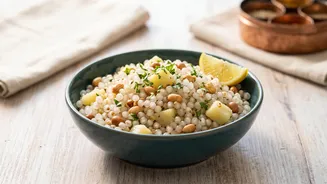
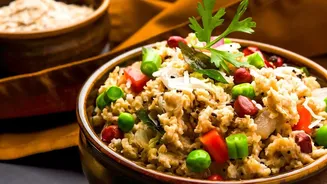
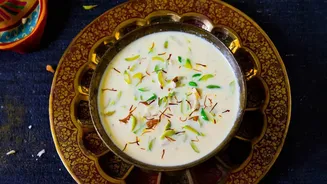
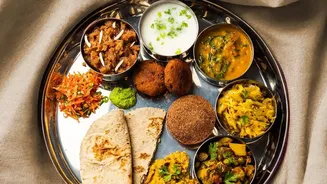
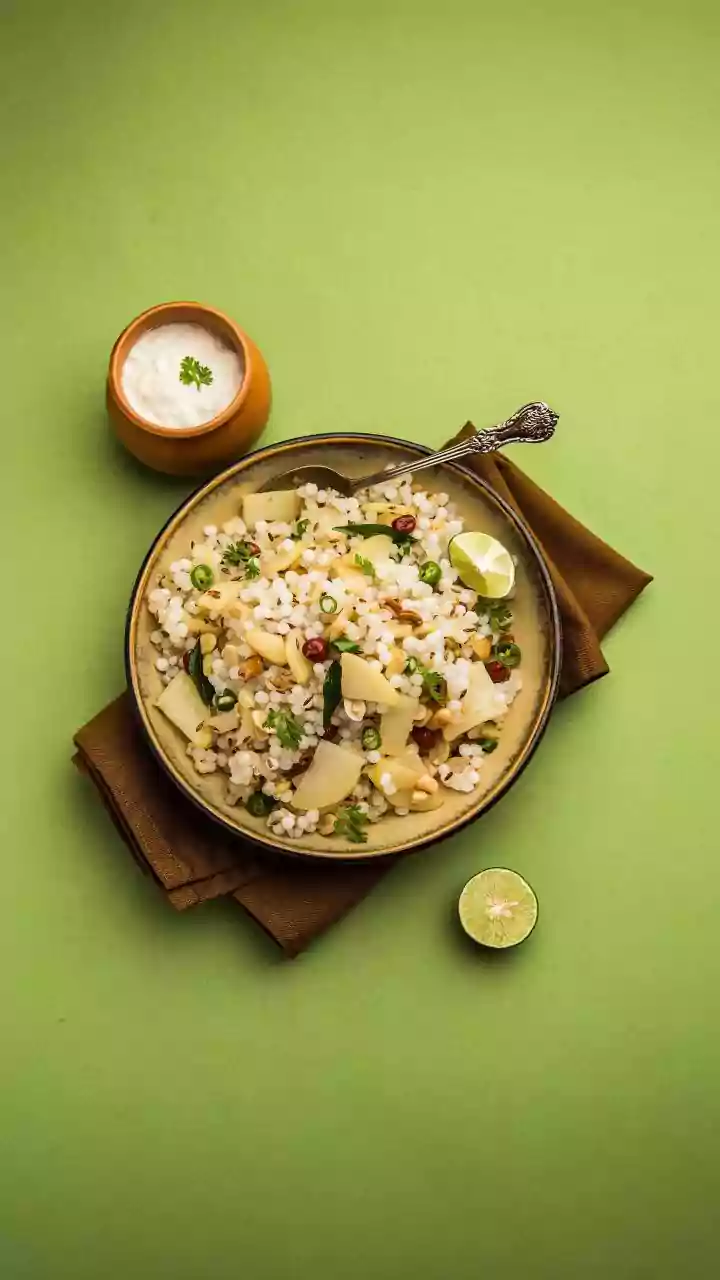
While regular grains are off the menu, several alternatives are traditionally used to prepare meals. These pseudo-grains provide energy and form the base for many popular fasting dishes like puris and rotis. The most common permitted flours include Kuttu ka Atta (buckwheat flour), Singhare ka Atta (water chestnut flour), and Rajgira ka Atta (amaranth flour). Additionally, Sabudana (tapioca pearls) and Samak ke Chawal (barnyard millet) are widely used for making khichdi, kheer, and vadas. These are not considered true cereals within the fasting tradition, making them acceptable.
Fruits and Vegetables
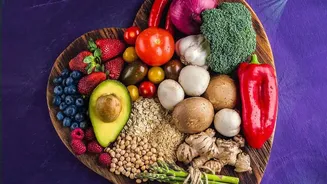
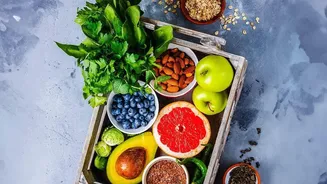
Fruits are a cornerstone of the Phalahari diet. All seasonal fruits are generally permitted, including bananas, apples, pomegranates, and papayas. They can be eaten raw, as part of a fruit salad, or blended into smoothies with milk. When it comes to vegetables, the list is more specific. Potatoes, sweet potatoes, yams, raw bananas, bottle gourd (lauki), pumpkin, and cucumber are widely consumed. Tomatoes are also usually allowed. However, it's worth noting that some family traditions may avoid certain root vegetables like carrots or radish.
Dairy, Nuts, and Beverages
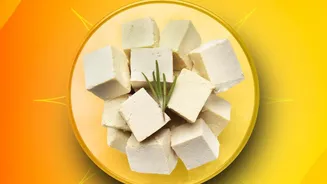
Dairy products are an excellent source of protein and are fully permitted during the fast. You can consume milk, curd (yoghurt), paneer, butter, and ghee. A glass of lassi or a bowl of curd with fruits can make for a refreshing and filling meal. To stay hydrated, water and coconut water are highly recommended. For snacks, all nuts and dry fruits like almonds, cashews, walnuts, and raisins are allowed. Makhana (fox nuts), when roasted in ghee with a sprinkle of rock salt, is another popular and nutritious option.
Seasonings and Sweeteners
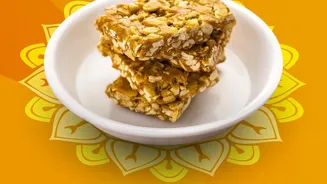
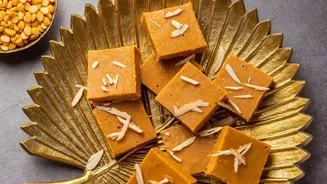
One of the most important rules of vrat cooking is the substitution of regular table salt with Sendha Namak, or rock salt. This unprocessed salt is considered purer and is the only type used for seasoning fasting dishes. For other flavours, spices like black pepper powder, cumin (jeera), and green chillies are commonly used. When preparing sweets or desserts, you can use sugar, honey, or jaggery. Traditional sweets like Dhaniya Panjiri, a mixture of roasted coriander seed powder and dry fruits, are often prepared specifically for breaking the fast.
Tips for a Healthy Vrat
While fasting, it's easy to fall into the trap of consuming too many deep-fried foods like kuttu puris and sabudana vadas. While delicious, they can leave you feeling heavy and lethargic. Try to balance your meals by including healthier cooking methods. Opt for roasted makhana instead of fried, or a simple samak pulao over fried snacks. Eating small, frequent meals throughout the day can also help maintain your energy levels and prevent the acidity that can come from an empty stomach. The goal is spiritual discipline, not just dietary restriction, so listen to your body.