




The End of the Visa Sticker
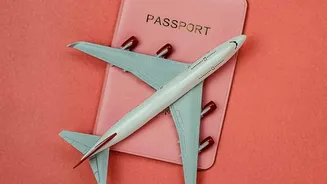
The most significant change for Indian applicants is the end of the physical visa vignette, the sticker that was previously placed in passports. As of early 2026, all successful visa applicants from India now receive a digital eVisa instead. This eVisa is a secure
electronic record of your permission to travel, linked directly to your passport. The move is part of the UK's broader strategy to create a fully digital border and immigration system, aimed at enhancing security and streamlining the travel process for the millions who visit each year. For the more than 500,000 Indian nationals who were granted UK visas in the year ending March 2026, this new process represents a fundamental shift in how they will manage their travel authorisation.
How the New eVisa Process Works
While the format has changed, the core application requirements for Indian citizens remain largely the same. The process still begins with an online application form submitted via the official GOV.UK website. Applicants must then attend a scheduled appointment at a Visa Application Centre (VAC) in India to provide their biometric information—fingerprints and a photograph. The key difference happens after a decision is made. Instead of submitting your passport for a sticker, you will receive a notification of the decision electronically. Successful applicants must then create a UK Visas and Immigration (UKVI) account online and use the 'UK Immigration: ID Check' app to link their eVisa to their passport. This online account becomes the central hub for viewing and managing your immigration status.
Clearing Up ETA Confusion
There has been some confusion between the new eVisa for Indians and the UK’s Electronic Travel Authorisation (ETA) scheme. It is crucial to understand that they are not the same. The ETA system, which requires a pre-travel digital clearance, applies only to nationals of countries that do not need a visa for short stays in the UK, such as citizens of the US, Canada, and EU countries. Indian passport holders are not eligible for the ETA and must still apply for a full visa for any travel purpose, including tourism, business, or study. The change for Indians is that this visa is now issued and managed digitally as an eVisa, not that the visa requirement itself has been replaced by an ETA.
Your New Pre-Travel Checklist
Under the new digital system, a few new items are now essential on your pre-trip checklist. First, ensure you create your UKVI account as soon as your visa is granted and link it correctly to your valid passport. Before heading to the airport, log in to your account and double-check that all personal details on your eVisa are correct and match your passport exactly. Airlines are now responsible for verifying this digital permission before you board, and any discrepancy could lead to delays or being denied travel. Remember that each family member, including children, needs their own individual UKVI account and eVisa. Standard processing times are still around three weeks, so applying well in advance remains as important as ever.
Why the Digital Shift Matters
This transition is a key part of the UK's '2025 Border Strategy', a long-term plan to modernise border control through technology. By pre-screening travellers and creating a digital record, the UK aims to strengthen security and speed up processing at airports for legitimate visitors. For Indian travellers, who represent one of the UK's largest and fastest-growing visitor markets, the system promises a more secure and convenient way to handle their visa status. VisitBritain, the national tourism agency, forecasts that visits from India will grow to nearly one million annually by 2030, and this digital infrastructure is being put in place to manage that growth.