



The End of the Matte Era
Remember the mid-2010s? It was the era of full-coverage foundation, sharp contouring, and baking your face with powder until not a single photon could reflect off it. The goal was a flawless, poreless, and completely shine-free finish. This look, heavily
popularised on Instagram, was about transformation and artistry. While powerful, it often involved layers of product that masked the skin underneath. But like all trends, its dominance was destined to fade. Beauty enthusiasts and everyday consumers alike started craving something that felt more authentic, breathable, and less like a mask.
The K-Beauty 'Glass Skin' Wave
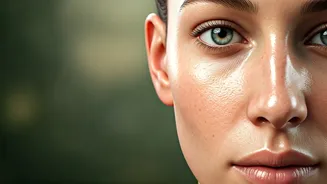
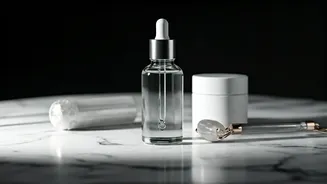
The first major force behind the dewy movement was the global explosion of K-beauty. Korean beauty ideals introduced us to concepts like 'chok chok' (a bouncy, moist feel) and the ultimate goal: 'glass skin'. Glass skin refers to a complexion so luminous, hydrated, and clear that it looks like a pane of glass. This wasn't about a clever highlighting technique; it was about achieving a glow that radiated from within through meticulous, multi-step skincare routines. It shifted the focus from covering imperfections with makeup to perfecting the skin underneath. This philosophy—that skincare is the new makeup—laid the essential groundwork for the dewy skin takeover.
A Shift Towards 'Skinimalism'
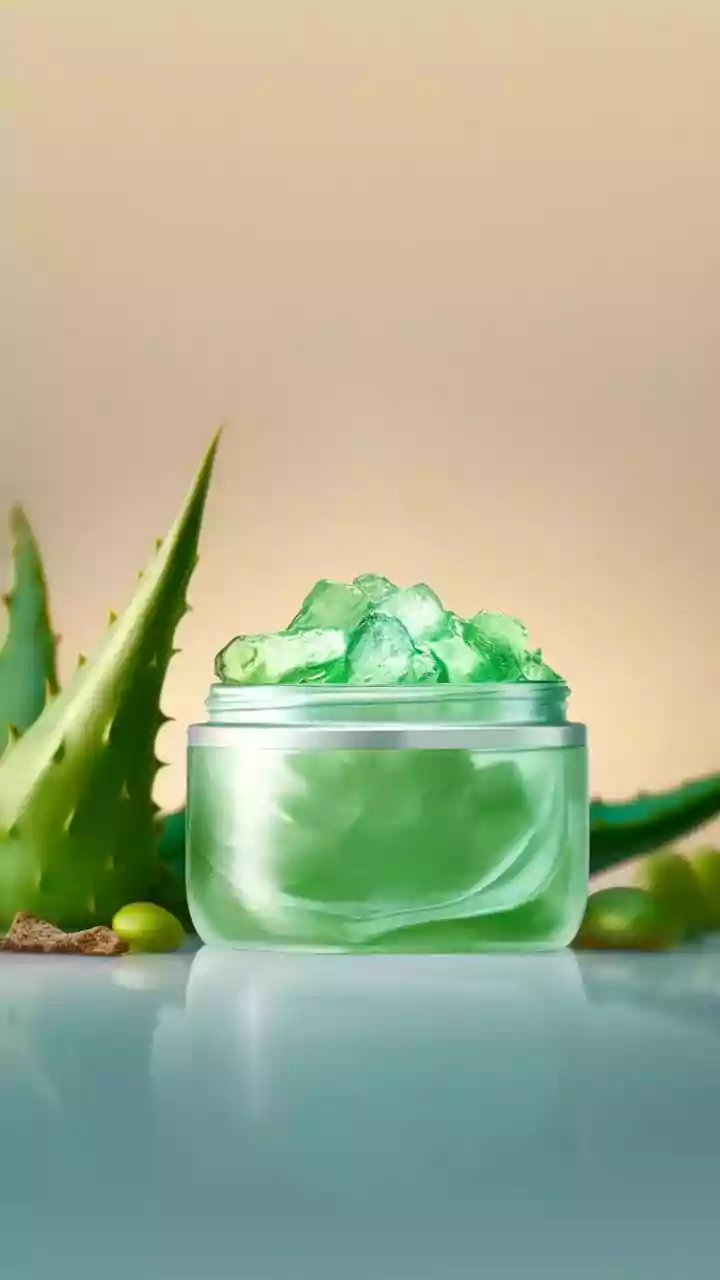
The pandemic accelerated a trend that was already bubbling: 'skinimalism'. Confined to our homes, many of us ditched our heavy makeup routines. Zoom calls favoured a more natural look, and wearing masks made thick foundation impractical. This period fostered a new appreciation for our natural skin. The focus moved towards nourishing the skin barrier, tackling concerns like acne and pigmentation, and embracing a 'less is more' approach. Brands responded with a flood of hydrating serums, lightweight skin tints, and liquid illuminators. The new heroes were ingredients like hyaluronic acid, niacinamide, and squalane—all known for boosting hydration and giving skin a plump, dewy bounce.
The Bollywood Seal of Approval
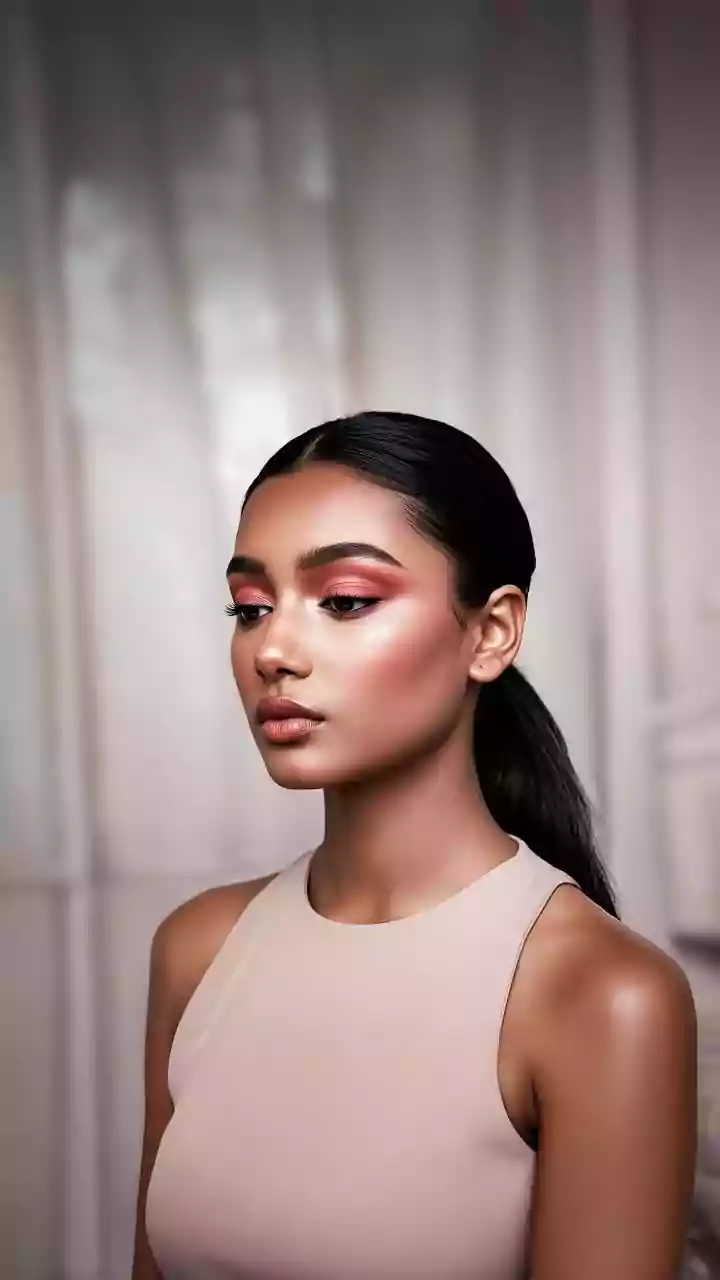
In India, nothing cements a trend like celebrity endorsement. Actresses like Alia Bhatt, Deepika Padukone, and Janhvi Kapoor have become ambassadors of the dewy look. Their social media feeds and red carpet appearances showcase luminous, seemingly 'lit-from-within' skin. Alia Bhatt, in particular, made waves with her wedding look, which was celebrated for its minimalism and radiant finish. When fans see their favourite stars looking fresh, healthy, and glowing, it creates a powerful aspirational pull. This celebrity adoption has been instrumental in taking the dewy trend from a niche interest to a mainstream beauty standard across the country.
Making Dewy Work for India
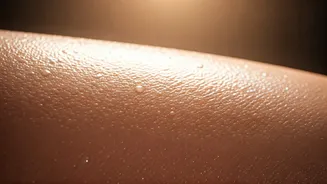
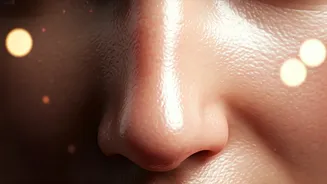
A common concern in India's hot and humid climate is the fine line between looking dewy and looking oily or sweaty. The key is strategic application. The modern dewy look isn't about an all-over greasy shine. It’s about achieving a 'satin' finish on the skin with targeted points of light. This means using lightweight, non-comedogenic moisturisers and serums, followed by a skin tint or sheer foundation. Powder is used sparingly, only on areas prone to excessive oiliness like the T-zone. The glow comes from liquid or cream highlighters tapped onto the high points of the face—cheekbones, the bridge of the nose, and the cupid's bow. This creates a controlled, sophisticated radiance that looks intentional, not accidental.