






The Direct Hit at the Petrol Pump
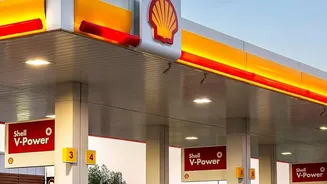
The most immediate and visible impact of rising global oil prices is felt right at your local petrol station. Since India imports over 85% of its crude oil requirements, any fluctuation in international prices, like that of Brent crude, directly affects
the cost of petrol and diesel. Oil Marketing Companies (OMCs) revise fuel prices daily based on a 15-day rolling average of international rates and the USD-INR exchange rate. However, the base price of the fuel is only one part of the story. A significant portion of the final retail price—often over half—consists of central and state taxes, including excise duty and Value Added Tax (VAT). This is why even when global crude prices fall, consumers may not see a proportional decrease at the pump, as governments might not adjust taxes downwards.
The Ripple Effect on Your Groceries
The impact of fuel prices extends far beyond your own vehicle. It creates a powerful ripple effect throughout the economy, starting with the cost of everything you buy. Transportation is the backbone of the supply chain, and in India, trucking moves the vast majority of all goods. Fuel can account for 40-50% of the total operating cost for transporters. When diesel prices rise, the cost of moving everything from fresh vegetables and milk to packaged foods and consumer durables increases. Fleet operators and logistics companies, often operating on thin margins, have little choice but to pass these higher freight costs on to manufacturers and retailers. Ultimately, this increased cost is passed on to the end consumer, showing up as higher prices on your grocery and shopping bills.
When Everything Else Gets Pricier
Beyond transportation, crude oil and its derivatives are fundamental raw materials for a vast range of industries. Petrochemicals, derived from crude oil, are used to make plastics, paints, fertilisers, and textiles. Natural gas is a key energy source for power generation and manufacturing. Therefore, a sustained rise in oil prices contributes to broader inflation, making not just goods but also services more expensive. This is reflected in India's key inflation metric, the Consumer Price Index (CPI), which measures the average change in prices paid by consumers for a basket of goods and services. Recent data shows that while overall inflation has been within the RBI's tolerance band, categories like transport and fuel have seen upward pressure, contributing to the overall cost of living.
The RBI, Interest Rates, and Your EMIs
To combat rising inflation, the Reserve Bank of India (RBI) often uses its primary tool: adjusting the repo rate. The repo rate is the rate at which the RBI lends money to commercial banks. When inflation is high, the RBI may increase the repo rate to make borrowing more expensive for banks. Banks, in turn, pass this increased cost to consumers by raising interest rates on various loans, including home loans, car loans, and personal loans. This means your Equated Monthly Instalments (EMIs) could go up, further squeezing your household budget. This action is a balancing act; while it aims to cool down the economy and control prices, it can also slow down economic growth by discouraging borrowing and spending.
Navigating Your Budget Amid Uncertainty
While you can't control global oil markets or national monetary policy, understanding these connections empowers you to better manage your household finances. With fuel and food prices being volatile, it becomes crucial to track your discretionary spending. Creating a detailed budget can help identify areas where you can cut back during periods of high inflation. This might mean consolidating trips to save on fuel, planning meals to reduce food waste, or postponing large, non-essential purchases. Building an emergency fund becomes even more important, providing a cushion to absorb sudden price shocks without derailing your long-term financial goals. Staying informed about economic trends can help you anticipate potential cost increases and adjust your budget proactively rather than reactively.