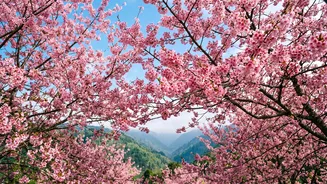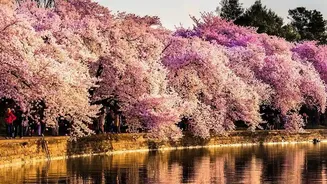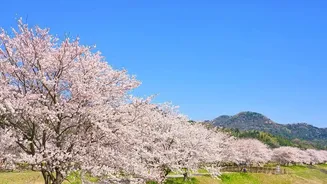






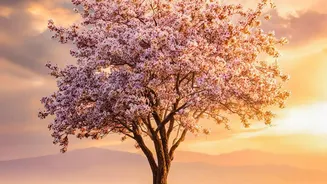
Every November, the hills of Shillong turn a spectacular shade of pink, marking the bloom of the Himalayan cherry blossoms. But this natural event is more than just a pretty sight; it has become a powerful catalyst for tourism across the Northeast.
The Pink Spectacle of Shillong
What
began as a quiet natural occurrence has been transformed into a global attraction. The Shillong Cherry Blossom Festival, scheduled for November 20-21 in 2026, celebrates the unique autumn flowering of the Prunus cerasoides trees. Unlike the more famous spring blossoms in Japan, Meghalaya's event is one of the few autumn cherry blossom festivals in the world. This celebration masterfully blends nature with culture, featuring international music acts, local art, Khasi cuisine, and fashion, drawing visitors from all over India and abroad. The festival has grown exponentially since its launch in 2016, becoming a cornerstone of Meghalaya's tourism strategy. It has even moved to a new, larger 30-acre venue to accommodate the growing crowds, a testament to its surging popularity.
An Engine for Economic Growth
The festival's impact on Meghalaya's economy is profound. The state government has recognised the power of culture to drive tourism, investing significantly in the event. Previous festivals have generated substantial returns; one report noted a government investment of ₹23.5 crore across various festivals yielded an economic stimulus of over ₹133 crore. During the festival, hotels in Shillong and nearby areas like Sohra report full occupancy. The benefits ripple outwards, creating thousands of seasonal jobs and boosting income for local artisans, food vendors, taxi drivers, and homestay owners. For many small businesses and entrepreneurs, the festival provides a crucial economic lift, strengthening the local economy from the ground up.
The Northeast Tourist Circuit
The allure of the cherry blossoms creates a powerful 'gateway effect' for the entire Northeast. Autumn, from October to November, is already considered the best time to visit the region, with clear skies and lush post-monsoon landscapes. Tourists drawn to Shillong for the festival often don't stop there. Tour operators now actively market integrated itineraries that use the festival as an anchor. A typical trip might start with the blossoms in Meghalaya, continue to Assam for a safari in the newly reopened Kaziranga National Park, and then venture into Arunachal Pradesh for mountain views or Nagaland for a glimpse of its vibrant culture. This creates a cohesive tourist circuit, encouraging longer stays and deeper exploration of the region.
A Sustainable Model for Regional Tourism
Meghalaya's success is not accidental; it is part of a deliberate strategy to build a high_value, low_impact tourism model. The state is focusing on community_led initiatives, empowering local people to become stakeholders in the tourism economy through homestays and as guides. By showcasing its natural beauty, Meghalaya has fostered a sense of environmental stewardship among both locals and visitors. The festival acts as a magnet, but the broader strategy encourages tourists to explore the rich biodiversity and cultural heritage of the entire state, from its living root bridges to its sacred groves. This approach ensures that the economic benefits are distributed more widely and that the growth is sustainable, preserving the very assets that make the region so attractive.