


An Ancient Sweetener, Rediscovered
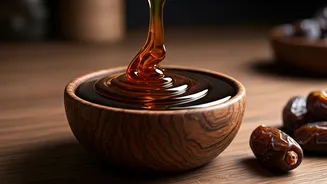
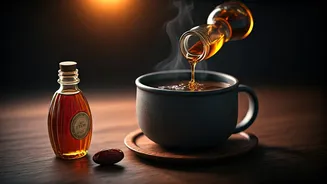
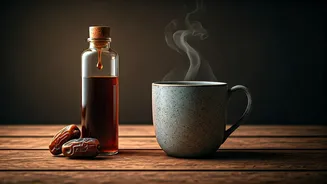
First, a crucial clarification. The star of the wellness world is often date palm syrup, derived from the sap of the date palm tree, not to be confused with date syrup, which is made by boiling and reducing the date fruit itself. Think of the difference
between maple syrup (from sap) and apple butter (from fruit). In India, we have a beloved version of this: Bengal’s *nolen gur* or date palm jaggery. This liquid gold is made by tapping date palm trees in winter and carefully boiling the sap. The process is artisanal, natural, and yields a sweetener that’s far more complex than its purpose-built, factory-refined counterparts.
The ‘Better for You’ Appeal
The primary driver of its popularity is the wellness community's ongoing quest for healthier alternatives to refined white sugar. Date palm syrup fits the bill perfectly. While it is still a sugar and should be consumed in moderation, it has a lower glycemic index than table sugar, meaning it may cause a slower, smaller spike in blood sugar levels. It's also less processed, retaining some of the minerals found in the palm sap, including potassium, magnesium, and iron. Unlike empty-calorie white sugar, date palm syrup brings a trace amount of nutritional value to the table, along with a significant payload of antioxidants that help combat cellular damage.
It’s All About the Flavour
Health benefits alone don’t create an obsession; flavour does. This is where date palm syrup truly shines and pulls away from the pack. It’s not just one-dimensionally sweet. It boasts a deep, complex flavour profile with notes of caramel, smoke, and molasses. This richness adds incredible depth to dishes, both sweet and savoury. Chefs love it because it contributes more than just sweetness; it adds character. A simple drizzle can transform a bowl of oatmeal, a cup of yoghurt, or a plate of roasted vegetables. It adds a sophisticated sweetness that refined sugar or even honey cannot replicate.
Versatility in the Modern Kitchen
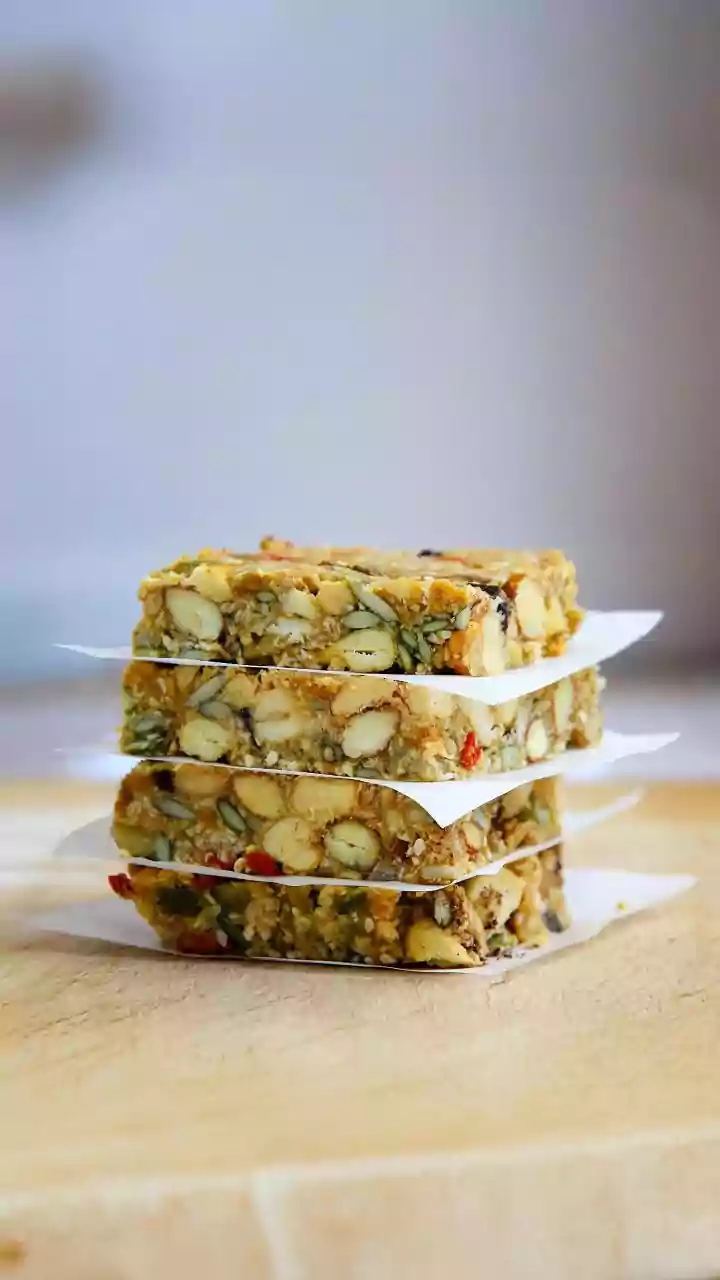
Wellness kitchens are all about whole foods and versatile ingredients, and date palm syrup is a workhorse. Its liquid form makes it incredibly easy to incorporate into recipes. It’s used to sweeten smoothies, homemade nut milks, and morning coffee. In baking, it provides moisture and a beautiful brown colour to cakes and muffins. It’s a key ingredient in no-bake energy balls and granola bars, acting as a natural binder. In savoury cooking, it’s a brilliant glaze for roasted carrots or chicken and a secret weapon in salad dressings and marinades, balancing acidity with its deep, caramelised sweetness.
A Connection to Natural and Traditional Foodways
Finally, the trend taps into a broader cultural shift towards natural, unprocessed, and traditional foods. In a world of artificial sweeteners and high-fructose corn syrup, an ingredient like date palm syrup feels authentic and grounded. Its ancient roots in Middle Eastern and South Asian cuisine lend it an air of time-tested wisdom. For many in India, the flavour is instantly nostalgic, evoking memories of winter festivals and the special treat of *nolen gur*. This embrace of a traditional product by the modern wellness movement represents a full-circle moment, validating ancient food knowledge with contemporary nutritional science.