







Not Just a New Coat of Paint
Across India, independent bookstores and literary cafes are undergoing a quiet revolution. In an era dominated by the convenience of e-commerce giants and digital readers, the physical bookstore could have become a relic. Instead, many are fighting back
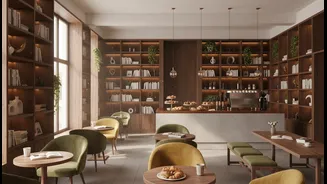
not by trying to beat the algorithms at their own game, but by offering something an algorithm can't: a tangible, sensory experience. This new wave of bookstore cafes understands that to survive, they must become more than just shops. They need to be destinations. The makeover of a place like our fictional 'Kokum's' isn't just about modern aesthetics; it's a strategic pivot towards becoming a cultural hub, a place where the transaction of buying a book is secondary to the experience of being surrounded by them.
The Community's Living Room
These reimagined spaces are quickly becoming what urban sociologists call a 'third space'—a vital hub for community life outside of home and work. Take Champaca in Bengaluru, a women-run bookstore and cafe that has become a beloved institution. It's a place designed for lingering, fostering conversations, and building social connections through a shared love of literature. By hosting book clubs, author signings, and workshops, these establishments transform from silent repositories of books into vibrant community living rooms. When a hailstorm recently flooded Bengaluru's iconic Bookworm bookstore, the city's reading community showed up in droves to help save the damaged books, a powerful testament to the fact that these are not just retail spaces but cherished parts of the local identity.
An Experience You Can't Download
The modern Indian book cafe woos readers with an experience that cannot be replicated online. It starts with curation. Instead of endless, algorithm-generated lists, you get carefully selected titles that reflect the taste and passion of the owner. Then there's the ambience. Mumbai’s Fictionary, India’s first fiction-only bookstore cafe, offers a minimalist and inviting vibe that feels like stepping into a personal library. New ventures are pushing the envelope even further, like a Chennai cafe collaboration inspired by a gothic theme. This is paired with an elevated food and beverage program. Gone are the days of a simple tea stall in the corner. Today's literary cafes, from Delhi's Cha Bar to the new Pour Over Coffee Roasters, feature extensive menus, making them legitimate culinary destinations in their own right. This blend of books, coffee, and community creates a powerful draw, encouraging patrons to stay longer and forge deeper connections with the space.
A Blueprint for the Future
This isn't a phenomenon restricted to a few savvy entrepreneurs in the metros. The model is proving to be a viable blueprint for the future of reading culture. Many of these new independent bookstores are described as 'passion projects', started by people from outside the traditional book-selling world who believe in the power of a physical literary space. The cafe component is often a crucial financial support system that makes the business of selling books sustainable. The trend is even gaining institutional support. In Lucknow, the historic Butler Palace is being redeveloped by the local authority to include a heritage-themed book cafe, aiming to create a cultural and literary hub for the city. This shows a growing recognition that such spaces provide an essential public service, nurturing literacy and local culture in a way that online platforms cannot.