



Understanding the Blue Flag Standard
The Blue Flag is a globally recognised eco-label awarded by the Foundation for Environmental Education (FEE), a non-profit based in Denmark. It is not just a recognition of a beach's beauty but a certification of its adherence to 33 stringent criteria.
These standards are grouped into four major categories: environmental education and information, bathing water quality, environmental management, and safety services. For a beach to earn and retain this tag, it must demonstrate excellence in everything from cleanliness and waste disposal to providing clean bathing water and ensuring the safety of its visitors. It signifies a commitment to both people and the planet.
Meet Maharashtra's Blue Flag Duo
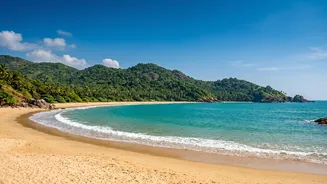
Maharashtra has recently seen two of its stunning beaches on the Konkan coast receive this international honour: Bhogwe beach in Sindhudurg district and Karde beach near Dapoli in Ratnagiri district. Bhogwe beach is known for its silvery sands and serene setting, located where the Karli River meets the Arabian Sea. Karde beach offers a long, flat stretch of coastline perfect for leisurely walks and enjoying sunsets. The development of these beaches to meet Blue Flag standards was a focused effort to boost tourism while ensuring long-term conservation. Their certification places them among a dozen elite beaches across India.
Your Safety Is a Top Priority
One of the cornerstones of the Blue Flag certification is robust safety and security infrastructure. Visitors to Bhogwe and Karde can expect a secure environment managed by dedicated personnel. This includes well-staffed lifeguard towers with trained professionals who constantly monitor the sea. Designated safe swimming zones are clearly marked to prevent accidents, and CCTVs have been installed for comprehensive surveillance. Furthermore, these beaches are equipped with first-aid stations and public address systems to communicate safety instructions or alerts, ensuring that help is readily available and information can be broadcast quickly in case of an emergency.
A Commitment to a Green Coastline
Sustainable beach management is what truly sets Blue Flag beaches apart. At Bhogwe and Karde, significant investment has gone into creating an eco-friendly ecosystem. This includes state-of-the-art solid waste management plants to handle litter responsibly. Greywater treatment facilities ensure that water from washrooms and changing rooms is treated before being released. To reduce the carbon footprint, infrastructure like lighting is often powered by solar energy. A key rule for visitors and local businesses is the strict prohibition of single-use plastics, a critical step in protecting the marine environment. These measures ensure that the natural beauty of the beach remains unspoiled for generations.
How to Be a Responsible Blue Flag Tourist
The continued success of these beaches relies on the cooperation of visitors. As a tourist, you play a vital role in maintaining the Blue Flag standards. The most important rule is to 'leave no trace'. Always use the designated dustbins for any waste and avoid bringing plastic bags or single-use plastic items to the beach. Pay close attention to signage and the instructions of lifeguards, especially regarding safe swimming areas. Activities like camping, lighting bonfires, and driving vehicles on the sand are strictly prohibited to protect the fragile coastal ecosystem. By respecting these guidelines, you contribute directly to the beach's cleanliness, safety, and prestigious status.