



Beyond Butter Chicken and Biryani
For many years, the Indian restaurant experience, both within the country and abroad, was largely defined by a familiar roster of North Indian or Mughlai dishes. Menus featuring butter chicken, paneer tikka masala, and a standard set of biryanis became
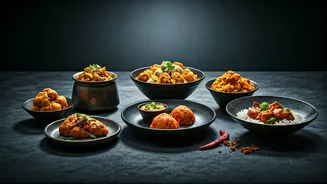
a homogenous representation of a vast and varied culinary landscape. While delicious, this standardization often overlooked the unique dishes from countless other regions. Today, that tide is turning dramatically. A cultural realignment is underway, driven by diners who are no longer content with generic offerings and are actively seeking authenticity on their plates.
A Hunger for Authenticity and Stories
So, what’s driving this change? Several factors have converged to create a potent demand for regional specificity. Increased domestic travel and migration have exposed Indians to cuisines they may never have encountered before. This real-world experience is amplified by social media, where food bloggers and influencers showcase hyper-regional dishes, turning a meal into a shareable story. There is a growing sense of cultural pride influencing food choices, with younger diners in particular showing curiosity about the traditions and history of their own states. They don't just want to eat; they want to connect with a cultural memory, to understand the story behind a dish—where the spices come from, who perfected the technique, and its historical significance.
From Coast to Hills: A Culinary Map
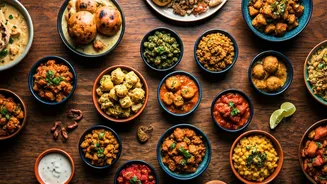
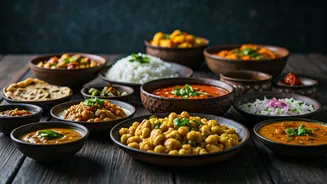
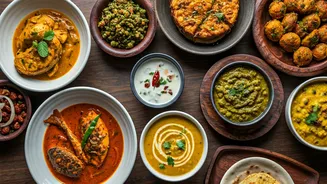
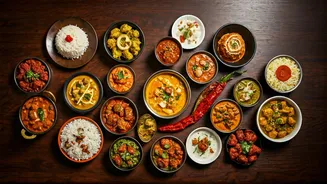
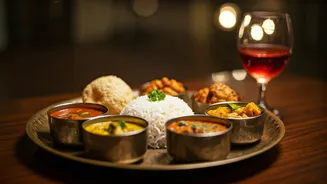
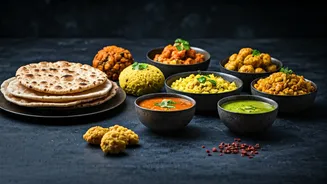
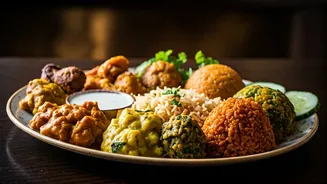
This trend has brought a thrilling diversity to restaurant menus. We are seeing the rise of cuisines that were once confined to home kitchens. Restaurants are now proudly serving fiery Chettinad chicken from Tamil Nadu, smoky litti chokha from Bihar, and delicate Bengali mustard fish. Chefs are exploring the coastal brilliance of Goan and Konkani food, the earthy depth of Naga cuisine with its fermented bamboo shoots, and the wholesome thalis of the Himalayan region. Even within a region, the focus is becoming more granular, or "hyper-local." Instead of just "South Indian food," you might find a restaurant specializing in the cuisine of a single community, like the Gaud Saraswat Brahmins of Goa. Dishes like Kerala's Kappa (tapioca) with fish curry, Rajasthan's Dal Baati Churma, and Kashmir's Nadru Yakhni (lotus stem in yogurt curry) are becoming celebrated menu highlights.
Chefs as Cultural Ambassadors
At the heart of this movement are chefs who are acting as culinary storytellers and cultural ambassadors. A new generation of chefs is delving into their own roots, reviving forgotten family recipes and celebrating indigenous ingredients. They are leading a culinary rediscovery, elevating dishes once deemed too humble for a restaurant setting and presenting them with pride and modern technique. Chefs like Manish Mehrotra, who championed unknown Indian dishes at Indian Accent, and Chef Regi Mathew, who offers a distinctive take on Keralan cuisine, are reshaping global perceptions of what Indian food can be. This chef-led revival is not just about nostalgia; it’s about preserving culinary heritage and making it relevant for a new generation of diners.
A Recipe for Success
From a business perspective, specializing in a regional cuisine is proving to be a smart strategy. While it might seem niche, it allows restaurants to stand out in a crowded market and build a loyal following. By offering a unique and authentic experience, these establishments tap into the diner's desire for discovery and connection. The success of this model is evident both in India and internationally, where restaurants focusing on specific regional cuisines, such as South Indian, have earned prestigious Michelin stars. Food delivery platforms have also played a significant role, making it easier for diners to discover and access specialized restaurants, further fueling the trend. This shift proves that in today's dining landscape, having a strong, authentic identity is a powerful crowd-puller.