




As millions of gamers dive into the world of Vice City, a fascinating real-world consequence is playing out on the streets of Miami. The biggest entertainment launch in history isn't just breaking sales records; it's fueling a local economy boom.
An Unprecedented Entertainment Event
To call
the launch of Grand Theft Auto VI a major event would be an understatement. After a 13-year wait, the newest installment in the blockbuster franchise arrived not just as a game, but as a global cultural and economic phenomenon. Pre-orders alone surpassed $1.4 billion, exceeding the record-breaking three-day opening of its predecessor, GTA V, back in 2013. Analysts projected first-week sales could reach between $3 billion and $5 billion. This scale rivals and even dwarfs the opening weekends of the biggest Hollywood blockbusters, positioning the game as perhaps the most significant entertainment release of all time. The anticipation was so high that workforce scheduling platforms reported a notable increase in paid time off requests around the November 19 launch day, as millions prepared to dedicate their time to exploring the game.
Welcome Home to Vice City
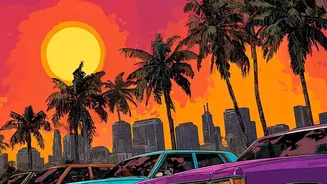
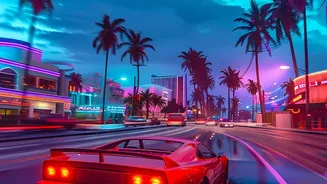
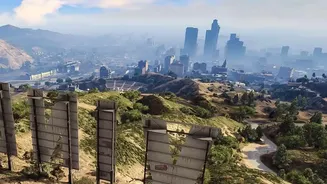
For Miami residents, this launch feels particularly personal. The game is set in the fictional state of Leonida, with its crown jewel being Vice City—a meticulously crafted, satirical version of Miami. Developer Rockstar Games invested heavily in capturing the city's essence, sending teams on research trips to study its architecture, culture, and unique vibe, from the Art Deco lights of Ocean Drive (reimagined as Ocean Beach) to the sprawling wetlands. This deep connection has been embraced by the city itself, with Miami-Dade County reportedly striking a multi-million dollar marketing deal that included a giant 'Welcome to Vice City' sign on the Kaseya Center, home of the Miami Heat. The game isn't just set in a place that looks like Miami; it's a cultural event that the city is actively participating in.
The Stay-at-Home Delivery Boom
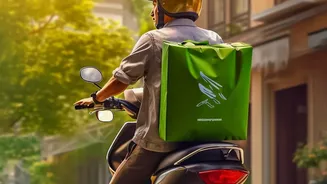
With millions of players across the country settling in for marathon gaming sessions, a predictable secondary effect has emerged: a massive surge in demand for food delivery. And nowhere was this more pronounced than in Vice City's real-world counterpart. According to reports from delivery platforms, Miami saw the most significant spike in activity. DoorDash noted that late-night orders in the city jumped by nearly 25% on launch night. Uber Eats reported an even larger increase, with orders between midnight and 5 a.m. rising more than 30% compared to previous weeks. The most popular items were exactly what you'd expect for a long night of gaming: orders for energy drinks, pizza, burgers, and fries all saw double-digit increases nationally.
A New Economic Indicator?
The delivery platforms were ready for the surge. Uber Eats strategically promoted deals on 'one-handed' foods like McNuggets and boneless wings, anticipating that players wouldn't want to put their controllers down. Other local and national restaurant chains, like Popeyes and Miami's own Skinny Louie, launched special promotions and themed items to tie into the event. This phenomenon highlights a broader trend where massive, appointment-based entertainment events are becoming reliable drivers of micro-economic activity. Similar to a major sports final or the series finale of a hit show, the GTA VI launch demonstrates how a digital event can create very real, tangible demand in the physical world. It shows that in today's connected economy, the line between digital entertainment and real-world commerce is becoming increasingly blurred.