






Why Your Fabric Choice Matters
The Indian monsoon brings a unique set of wardrobe challenges: relentless humidity, sudden downpours, and the persistent risk of getting splashed. A fabric that feels perfect in dry summer can become a nightmare when it’s 90% humid outside. Your clothes
need to be breathable to handle the humidity, but also quick-drying in case you get caught in the rain. The goal is to choose materials that won't cling uncomfortably, show every water stain, or take all day to dry, leaving you with a musty smell. It's a balancing act between staying cool, dry, and presentable.
Fabrics to Embrace: The Monsoon Winners
Navigating the monsoon is all about prioritising lightweight, breathable materials that dry in a flash. Your wardrobe's most valuable players this season will be fabrics that work with the weather, not against it.
Cotton and Cotton Blends
Cotton is a classic for a reason. It is breathable and excellent for humid weather, allowing air to circulate and keeping you cool. Lightweight cottons like voile and mulmul are especially good choices. However, be mindful that 100% pure cotton can absorb a lot of water and be slow to dry. For a more practical option, consider cotton-linen or cotton-polyester blends. These give you the comfort of cotton with the added benefit of faster drying times.
Linen: The Breathability Champion
Linen is a top-tier choice for high-humidity conditions. It is exceptionally breathable and dries even faster than cotton, and it doesn't stick to your skin when damp. While linen’s tendency to wrinkle is well-known, this relaxed look is part of its charm and perfect for casual monsoon days. Its ability to stay cool and airy makes it a worthwhile addition to your rainy-day wardrobe.
Rayon and Crepe: The Flowy Friends
Rayon offers a silky feel and is very lightweight, making it comfortable in sticky weather. It absorbs moisture without trapping body heat, which helps you feel less sweaty. Similarly, crepe is another excellent choice because it's light and dries quickly. Its slightly crinkled texture means it doesn’t cling to the body and is less likely to become transparent when wet.
Nylon and Polyester: The Quick-Dry Champions
When it comes to functionality, synthetic fabrics like nylon and polyester are unbeatable. They are water-resistant and the fastest to dry, making them ideal for outerwear like rain jackets and windcheaters. A lightweight jacket made of nylon or polyester can be a lifesaver during a sudden shower, keeping the outfit underneath perfectly dry. While they aren't as breathable as natural fibres, their utility in staying dry is undeniable.
Fabrics to Avoid: The Monsoon Mistakes
Just as important as knowing what to wear is knowing what to avoid. Certain fabrics are a recipe for discomfort during the rainy season, turning a simple walk outside into a soggy, miserable experience.
Denim: Public Enemy Number One
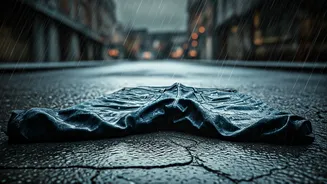
Heavy fabrics are a major 'don't' during the monsoon, and denim is the prime offender. Once wet, jeans become incredibly heavy, uncomfortable, and can take forever to dry in high humidity. Save your beloved denims for drier days and opt for lightweight trousers or palazzos instead.
Heavy Silks and Velvets
While beautiful, delicate fabrics like silk and velvet are not suited for the rain. Silk can be easily damaged by water, leaving behind permanent spots and stains. Velvet, much like denim, is heavy, absorbs a lot of water, and takes a very long time to dry. These are best kept for indoor, climate-controlled events.
Leather and Suede
It should go without saying, but leather and suede are complete no-gos in the rain. Water can cause serious and often irreversible damage to both materials, leading to stains, warping, and even the growth of fungus. Keep your leather jackets, bags, and suede shoes safely stored away until the season passes.