







The Power of Psychological Boundaries
Our brains are wired to respond to environmental cues. When you work from the same couch where you relax or the kitchen table where you eat, you send mixed signals. This can make it difficult to switch into 'work mode' and, more importantly, to switch off
at the end of the day. Creating a dedicated workspace, even if it's just a specific corner, helps establish a powerful psychological boundary. Entering that space signals to your brain that it's time to focus on professional tasks. Leaving it at the end of the day helps you mentally 'commute' and disengage, reducing the risk of burnout and stress.
Boosting Focus and Minimising Distractions
Living areas are, by nature, filled with distractions—the television, household chores, or family members. Working amidst these can fracture your attention and derail productivity. A designated office area helps minimise these interruptions. It creates a zone where you are less likely to be tempted by a sink full of dishes or a new episode of a show. This separation allows for deeper, more concentrated work, improving not only the quality of your output but also your efficiency. An organised, clutter-free workspace further enhances your ability to process information and stay on task.
It Does Not Have to Be a Separate Room
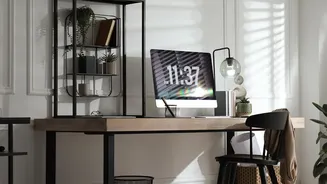
The idea of a 'home office' doesn't have to mean a spare room with a door. While that is ideal, you can achieve the same benefits with more creative solutions. A specific desk in the corner of a bedroom, a small table in a hallway, or even a portable setup that you pack away each evening can be just as effective. The key is consistency: this spot is for work, and only for work. Some experts suggest 'sandwiching' a desk between two bookshelves to make it feel intentional and visually separate from the rest of the room. This makes the practice accessible for those in smaller apartments or shared living situations.
Protecting Your Personal and Family Time
When work bleeds into every corner of your home, it can strain personal relationships. It's difficult to be fully present with loved ones when your laptop is always within reach, tempting you to 'just finish one more thing'. Physically stepping away from your workspace allows you to mentally transition back to your personal life. This separation helps you engage more meaningfully with family and friends, fostering healthier relationships. Communicating your work hours and the purpose of your dedicated space can also set clear expectations for others in the household, ensuring you have the focus you need during the day and the uninterrupted personal time you deserve in the evening.
Reclaiming Your Home as a Sanctuary
Your home should be a place of rest, relaxation, and rejuvenation. When it doubles as a 24/7 office, it can lose its sense of sanctuary. By containing work to a specific area, you allow your living room, bedroom, and kitchen to serve their intended purposes. This helps you to fully unwind and recharge. Simple additions to your workspace, like good lighting, plants, or calming scents, can make work time more pleasant, while keeping these elements contained ensures the rest of your home remains a peaceful retreat. The goal is to create an environment that supports both productivity and well-being.