





A Final on Shaky Ground
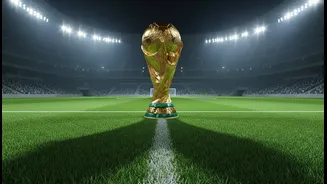
The single biggest source of potential controversy lies directly under the players' feet. The final at MetLife Stadium in New Jersey is being played on a grass surface that has drawn sharp criticism throughout the tournament. France coach Didier Deschamps
described it as feeling like there is "concrete under the grass," while midfielder Adrien Rabiot said it felt closer to artificial turf. Brazil's Vinícius Júnior complained that the pitch dries out quickly, slowing down the game. Normally a venue for American football, the stadium installed natural grass for the World Cup, but players have found it hard and rigid. A bad bounce, a slip at a crucial moment, or a player injury blamed on the playing surface could see the winning goal or a key moment forever marked with an asterisk. Despite FIFA's assurances, the consistent complaints from top players and coaches have set a nervous tone for the final.
The Eight-Match Gauntlet
This World Cup is the longest and most demanding in history. For the first time, the tournament was expanded to 48 teams, with finalists having to play eight matches instead of the previous seven. This additional knockout game, combined with a gruelling club season, has pushed players to their physical and mental limits. Player unions have been warning for months about the dangers of burnout in this overloaded football calendar. Fatigue leads to mistakes—misplaced passes, poor decisions, and clumsy tackles. A final decided by an error from an exhausted player, or with a team's star player hobbled by a muscle injury accumulated over 104 tournament matches, would feel like an anticlimax and raise questions about whether the format prioritises revenue over quality.
The Halftime Disruption
In a move that has baffled football purists, the final is set to feature a Super Bowl-style halftime show. Reports indicate the traditional 15-minute break will be extended to around 30 minutes to accommodate a musical performance. This isn't just a break with tradition; it's a potential tactical and physical disruption. Coaches use the 15-minute interval for precise tactical adjustments, while players try to stay warm and focused. An extended break risks players' muscles cooling down, increasing the chance of injury upon their return to the pitch. Critics argue this "Americanization" of the final prioritises spectacle over the sporting integrity of the match, and any dip in performance in the second half will be squarely blamed on this controversial decision.
Shadows of the Group Stage
The new format, with 12 groups of four and the eight best third-placed teams advancing, created a complicated and, at times, controversial group stage. This system creates a risk that teams in the final group matches, knowing exactly what result they need to advance, might play for a convenient draw, echoing the infamous "Disgrace of Gijón" from 1982. While no major collusion scandals erupted this time, the structure introduced a level of tactical calculation and caution that many felt dulled the early rounds. If one of the finalists is perceived to have reached the final via a less-than-heroic path laid by the confusing third-place qualification rules, it could undermine their legitimacy in the eyes of the fans.