




The Core Philosophy: Motion vs. Meditation
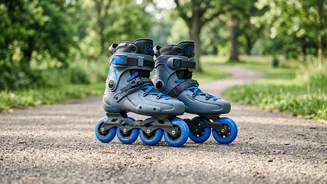
At their hearts, skating and Tai Chi represent two distinct approaches to movement. Skating, whether on quad or inline skates, is a dynamic, propulsive activity. It is about generating momentum, speed, and expressing energy outwardly. It’s a cardiovascular
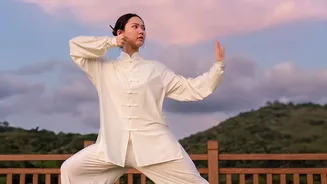
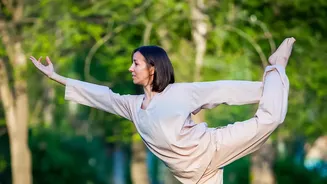
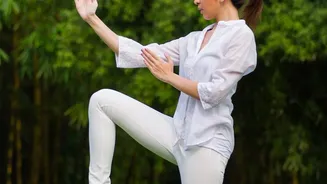
workout that improves endurance and builds strength through repetitive, powerful movements. In contrast, Tai Chi is often described as 'meditation in motion'. It is an ancient Chinese practice focused on slow, deliberate, and flowing movements that are linked with controlled breathing and mental focus. The goal is not speed but precision, balance, and the integration of mind and body.
Cardiovascular Health: Intensity vs. Accessibility
If your main goal is vigorous aerobic exercise, skating has a clear edge. It elevates your heart rate, improves circulation, and can burn between 300 and 600 calories per hour, comparable to jogging but with less impact on the joints. This makes it an excellent choice for improving cardiovascular endurance and managing weight. Tai Chi, while gentle, also offers cardiovascular benefits. Its slow, continuous movements provide a low-impact workout that can lower blood pressure and improve heart health, making it particularly suitable for older adults or those for whom high-impact exercise is not an option.
Strength, Balance, and Flexibility
Both activities build significant strength, just in different ways. Skating is phenomenal for toning the lower body—including the glutes, quads, hamstrings, and calves—and strengthening the core muscles required to stay upright. Tai Chi builds functional strength through slow, controlled postures that engage muscles throughout the body, enhancing both lower and upper body strength over time. When it comes to balance, the comparison is nuanced. Skating challenges dynamic balance, forcing your body to react and stabilize while in motion. Tai Chi cultivates balance through slow, precise weight shifts and body awareness, which studies have shown can significantly reduce the risk of falls, especially in older adults. For flexibility, Tai Chi is generally superior, as it involves a greater range of motion and gentle stretching of connective tissues.
Choosing by Fitness Level: Who Is It For?
For absolute beginners or those with physical limitations, Tai Chi is often more approachable. Its low-impact nature and adaptable movements make it safe to start at any age or fitness level, with minimal risk of injury. Skating has a steeper learning curve; mastering balance and stopping requires practice, and falls are a part of the process. Protective gear like helmets and wrist guards is highly recommended for beginners. For those with an intermediate to advanced fitness level, skating offers more room to increase intensity by going faster or learning advanced skills. Tai Chi's complexity offers a different kind of challenge, focused on refining technique and deepening the mind-body connection rather than on physical exertion.
Mental Wellness: Stress Relief vs. Joyful Escape
Both activities offer significant mental health benefits. Skating can be a joyful and social activity, a fun way to get outdoors and boost your mood. The focus required to skate can serve as a form of active meditation, clearing your mind of daily worries. Tai Chi is renowned for its ability to reduce stress and anxiety. The combination of deep breathing, slow movement, and mindfulness calms the nervous system, promotes mental clarity, and has been shown to alleviate symptoms of depression.
Practical Matters: Gear, Space, and Cost
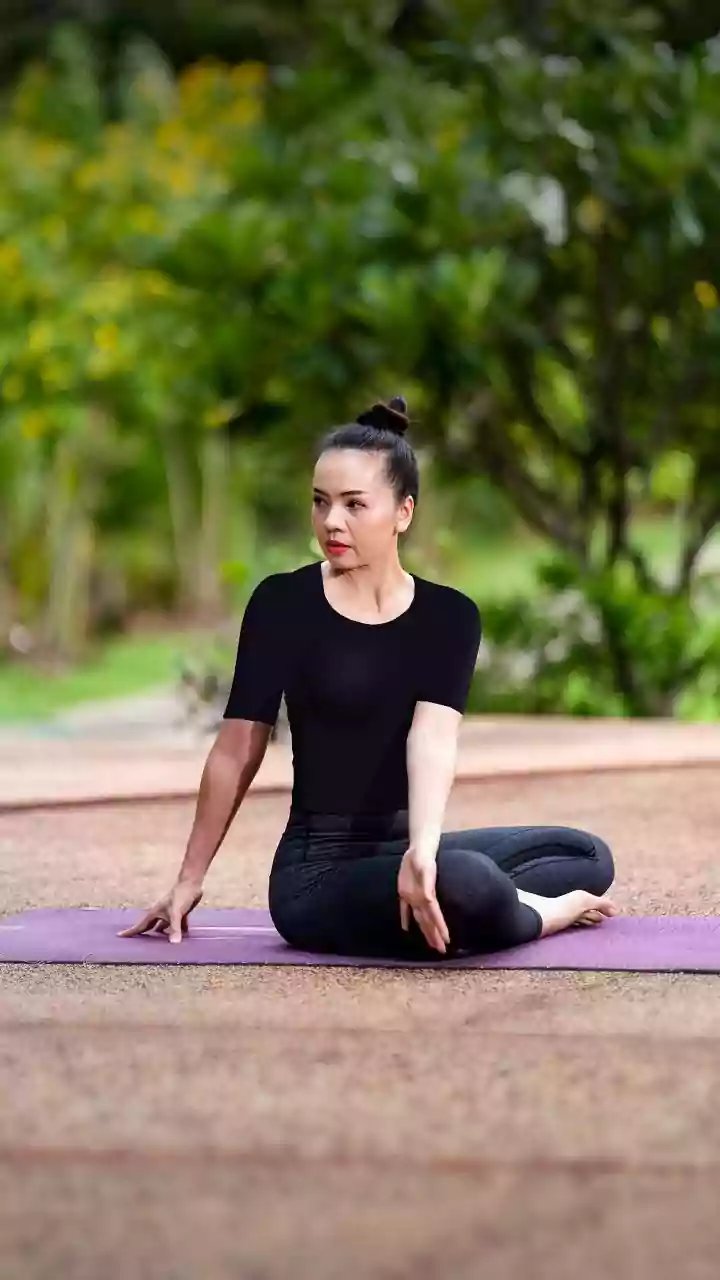
From a practical standpoint, Tai Chi is the more accessible option. It requires no special equipment—just comfortable clothing—and can be practiced in a small space, either indoors or out, by following online videos or joining a class. Skating requires an investment in skates and essential protective gear. It also necessitates a safe, smooth surface like a skating rink, a quiet street, or a paved path, which may not be readily available to everyone.